


This article was automatically translated from the original Turkish version.
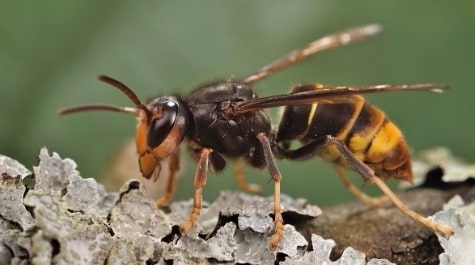
Vespa velutina, known as the yellow-legged hornet, is a species of wild hornet native to Asia that has rapidly spread in recent years, particularly in Europe. This species has drawn attention due to its potential to threaten biodiversity and cause significant economic damage to the beekeeping industry. Although it performs certain ecological functions in natural ecosystems, the predatory attacks by Vespa velutina on honeybees pose a major threat from both agricultural and biodiversity perspectives.

Yellow-legged Hornet (Vespa velutina)
The yellow-legged hornet is a social insect belonging to the genus Vespa. The Vespa velutina species is characterized by a dark brown body with distinct yellowish bands on its legs. Adult worker hornets are typically around 20 mm in length, while males are slightly larger. This species constructs its nests primarily in trees and beneath roofs; the nests are made of a paper-like material produced by the hornets chewing up bark and similar plant materials to form pulp for construction.
The life cycle of Vespa velutina begins in spring. When queen hornets emerge from winter hibernation, they initiate new colonies. In colonies, worker hornets assume tasks such as nest building, foraging for food, and caring for larvae, while males exist solely for reproductive purposes. The colony’s life cycle concludes in autumn, when worker hornets die and newly produced queens survive the winter to disperse in spring and establish new colonies.
Vespa velutina can serve as a biological control agent within ecosystems by preying on Wild bees and harmful insects, thereby contributing to ecosystem balance. However, its predation on honeybees creates a significant threat. Honeybees play a critical role in agriculture and natural pollination processes; therefore, the attacks by Vespa velutina on honeybee colonies pose a serious threat to the beekeeping industry. This hornet targets honeybee hives, killing adult bees and stealing brood and food resources. As a result, honeybee colonies weaken and pollination of agricultural crops is disrupted, leading to like negative consequences.
Like other hornet species, yellow-legged hornets may contribute to maintaining biodiversity in ecosystems. However, the specific threat posed by Vespa velutina to honeybees has led to its classification as a harmful invasive species.
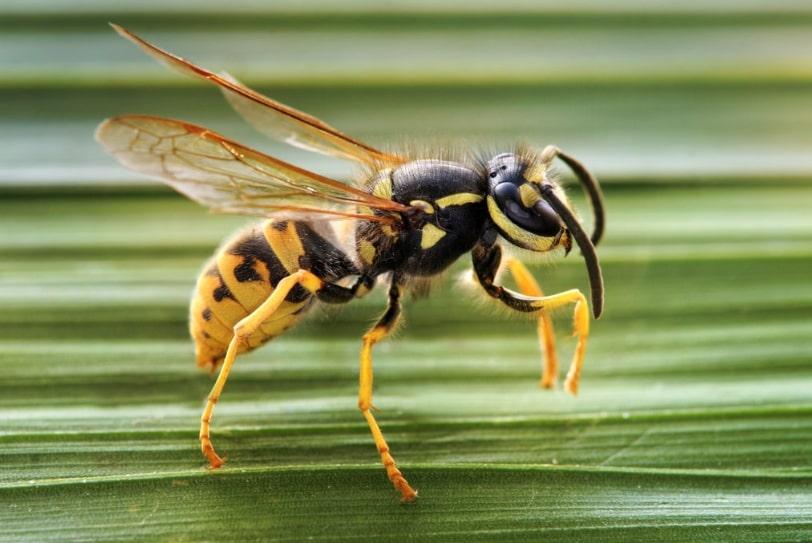
Yellow-legged Hornet (Vespa velutina)
Control of Vespa velutina involves various methods aimed at limiting its spread and preventing agricultural damage. These include biological control, chemical treatments, and trapping:
Stings from the yellow-legged hornet typically cause severe pain. In individuals with allergic sensitivities, there is a risk of anaphylactic shock. The toxic effects of Vespa velutina stings can lead to serious health complications when allergic reactions occur. Therefore, preventive measures must be taken upon encountering these hornets, and emergency medical intervention should be sought when necessary.

No Discussion Added Yet
Start discussion for "Yellow-legged Wild Bee" article
Biological Characteristics and Life Cycle
Ecological Role and Impacts
Control Methods
Effects on Human Health