


This article was automatically translated from the original Turkish version.
+1 More
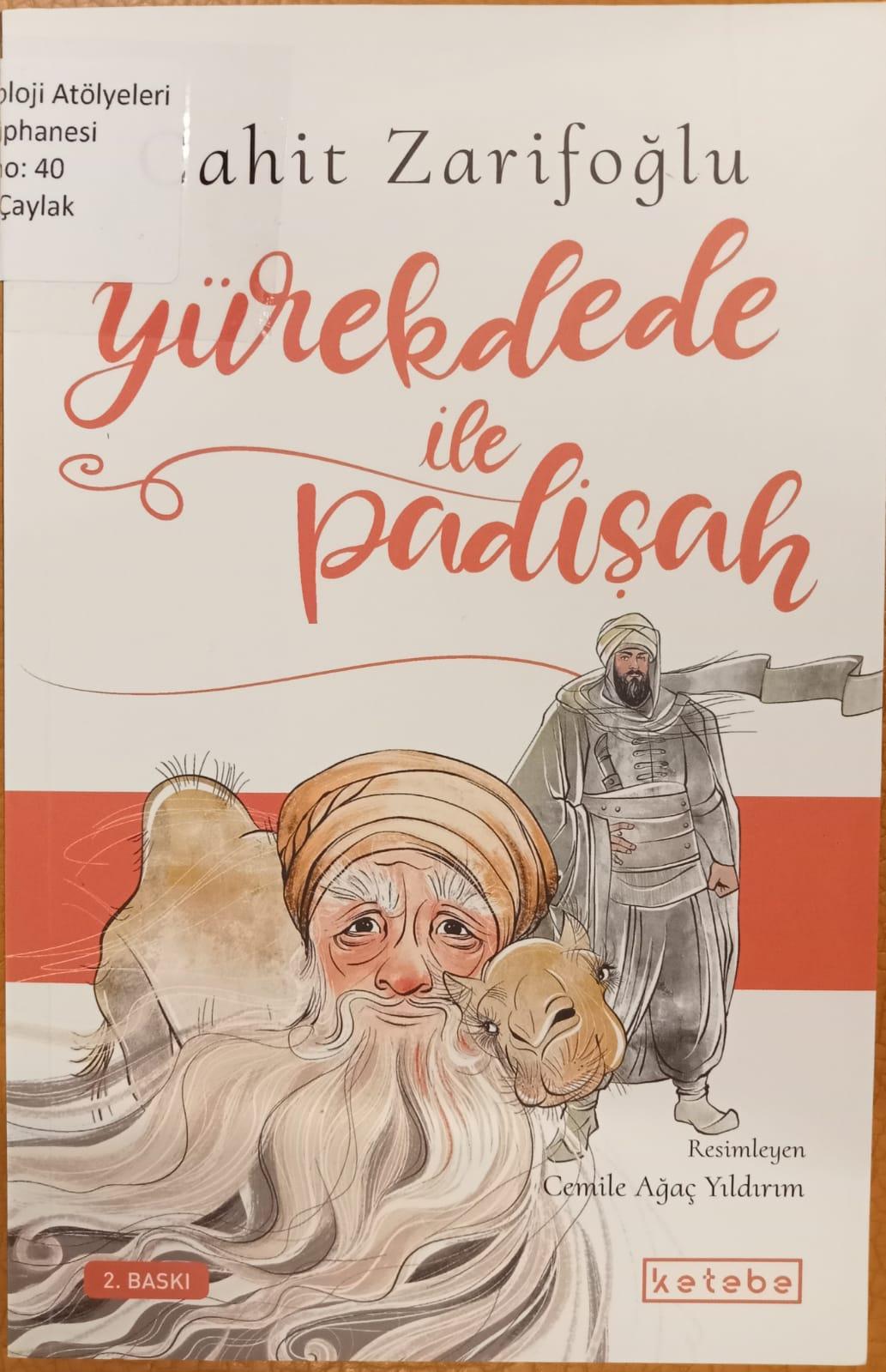
Photo: Derya Topçu
Author(s) | Cahit Zarifoğlu | ||||||||
|---|---|---|---|---|---|---|---|---|---|
Publisher(s) | Ketebe Yayınları | ||||||||
Publication Date | 1984 | ||||||||
Illustrator | Cemile Ağaç Yıldırım | ||||||||
Number of Pages | 80 | ||||||||
Yürekdede and the Sultan is a work by Turkish writer Cahit Zarifoğlu. First published in 1983, it is a children’s literature text that incorporates elements of fairy tales and folk narratives. The book explores themes such as goodness, justice, spirituality, and moral education through its narrative structure and plot. It stands out for its simple language and traditional storytelling features.
The book centers on the encounter between Yürekdede, a poor but virtuous elderly man, and a Sultan who is just and deeply devoted to his people. Yürekdede is a character known for distributing sweets to children and for his honesty. One day, a walnut falls from the sky onto him. Inside the walnut is a pearl that transforms his life. As events unfold, Yürekdede reaches the palace and meets the Sultan. The Sultan is deeply moved by Yürekdede’s story and rewards him. This meeting becomes a symbol of how goodness and truth are honored.
Goodness and Honesty: Yürekdede embodies the symbols of honesty and kindness. The events he experiences illustrate that these virtues are never left unrewarded.
Justice and Compassion: The Sultan is portrayed as a fair and conscientious ruler who cares for his people. In the book, justice is presented not only as a legal principle but also as a moral value.
Spirituality and Faith: Spiritual elements such as prayers, blessings from the heavens, and purity of heart are central to the narrative. The characters’ experiences reflect an inner world supported by spirituality.
The Power of Simplicity: Yürekdede’s modest life and his rejection of luxury and grandeur reflect a perspective that places moral values above material wealth.
Yürekdede: The main character of the tale. He is a poor yet honest and loving old man, sensitive and generous toward children. His story is a symbol of a life shaped by goodness.
The Sultan: A ruler who thinks of his people and acts with justice. He treats Yürekdede with compassion and generosity. Despite holding power, he remains connected to the common people.
The Children: They symbolize love and innocence in the story. Yürekdede’s affection for them is a defining aspect of his character.
The Palace Officials: Characters who surround the Sultan. In the narrative, they typically represent order and hierarchy.
Yürekdede and the Sultan is written in a plain and poetic language. The narrative employs fairy-tale elements and metaphors. Told in the third person, the text blends traditional storytelling features with a modern tone. Zarifoğlu adopts an instructive yet indirect narrative style throughout the work.
Zarifoğlu, Cahit. Yürekdede ile Padişah. KETEBE Yayınları, 2021.

Photo: Derya Topçu
Author(s) | Cahit Zarifoğlu | ||||||||
|---|---|---|---|---|---|---|---|---|---|
Publisher(s) | Ketebe Yayınları | ||||||||
Publication Date | 1984 | ||||||||
Illustrator | Cemile Ağaç Yıldırım | ||||||||
Number of Pages | 80 | ||||||||
No Discussion Added Yet
Start discussion for "Yürekdede and the Sultan (Book)" article
Summary
Themes
Characters
Style