




Snowy Owl
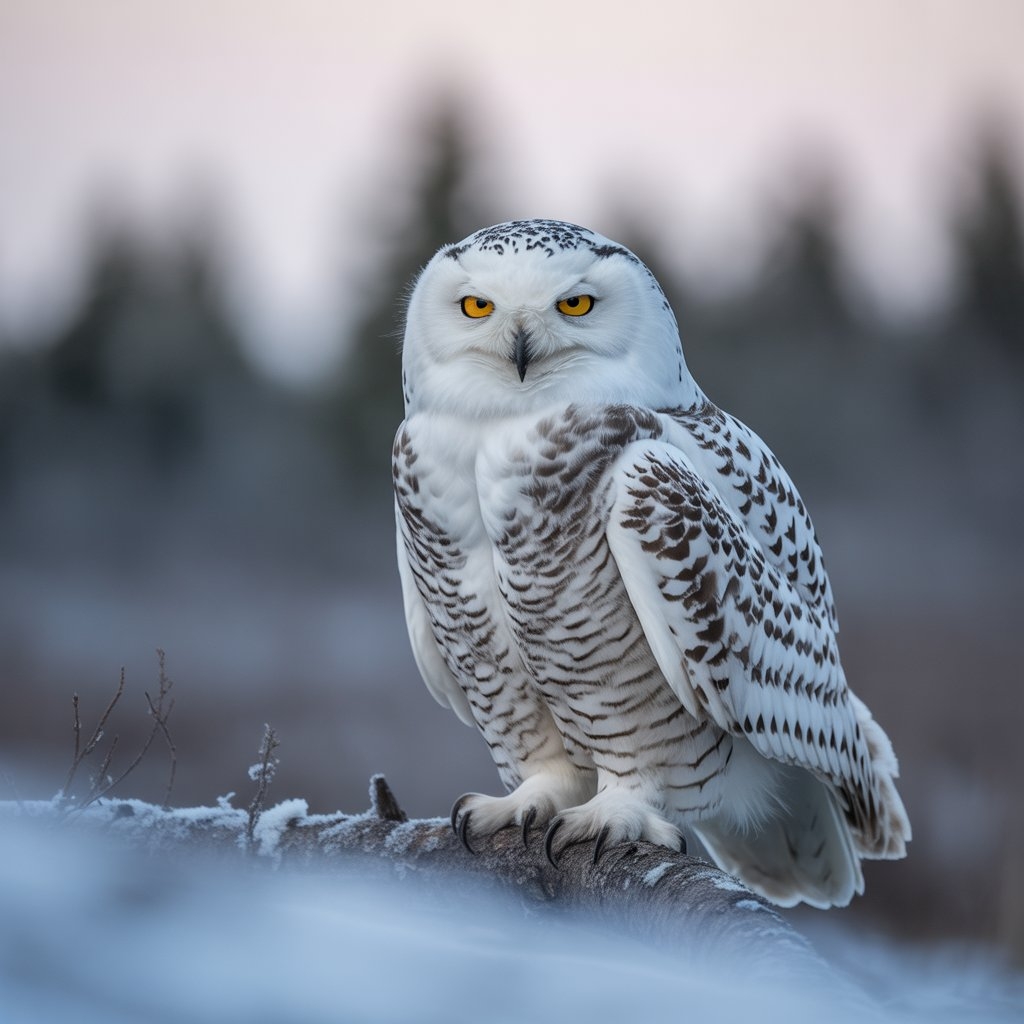
The snowy owl (Bubo scandiacus) belongs to the owl family. It is one of the elegant and powerful birds of the polar regions. One of the most distinguishing features that set it apart from other owls is its pure white plumage and bright yellow eyes. Its broad wings are also notable; these allow it to glide silently and swiftly descend upon its prey.
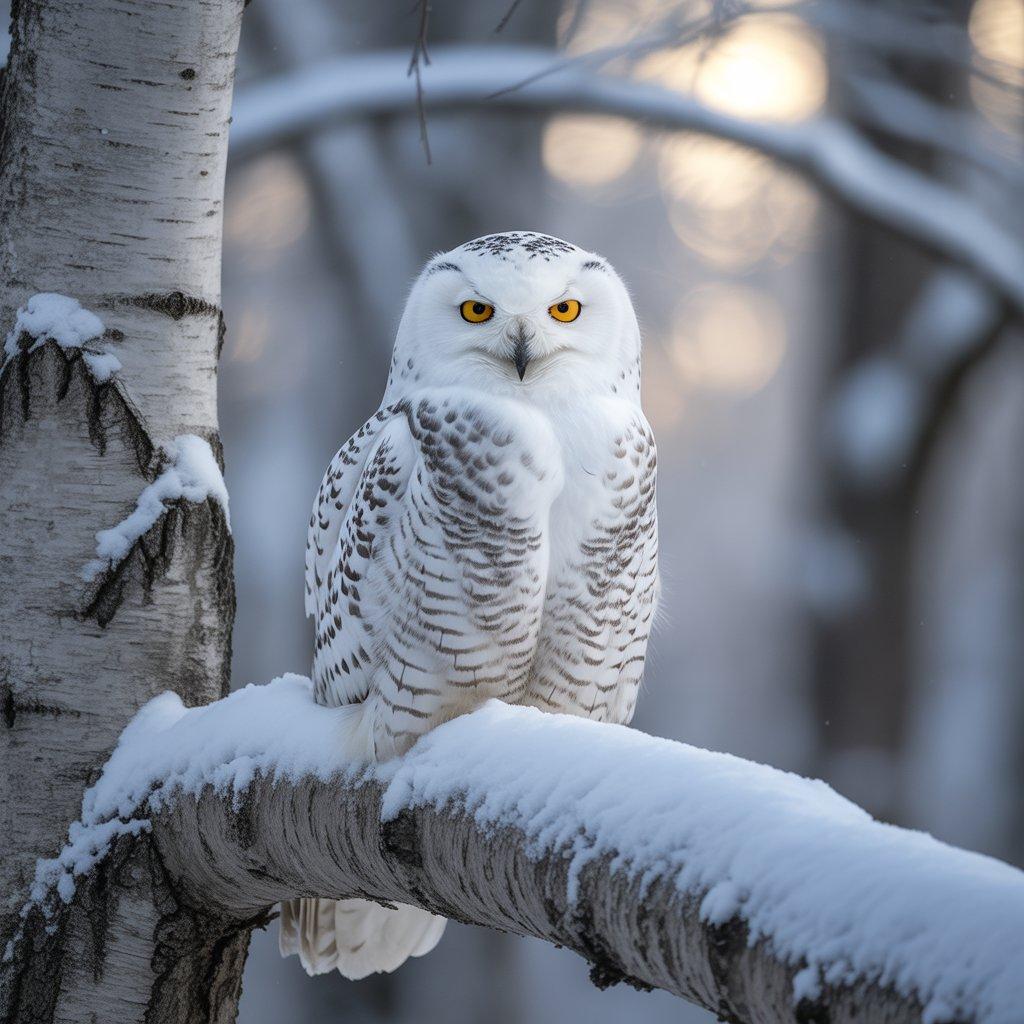
Snowy Owl (Generated by Artificial Intelligence.)
What Are Its Colors?
The plumage color of snowy owls varies with age and sex. Males are typically entirely white, providing excellent camouflage in the snow. Females and juveniles, however, have brown or black spots on their white feathers. Their eyes are bright yellow, and the circular frame of feathers around their face gives them a striking appearance.
How Large Do They Grow?
Snowy owls are large birds. They range in height from 50 to 70 cm and can have a wingspan of up to 120 to 180 cm. Their weight typically falls between 1.5 and 3 kg; females are often slightly heavier than males.
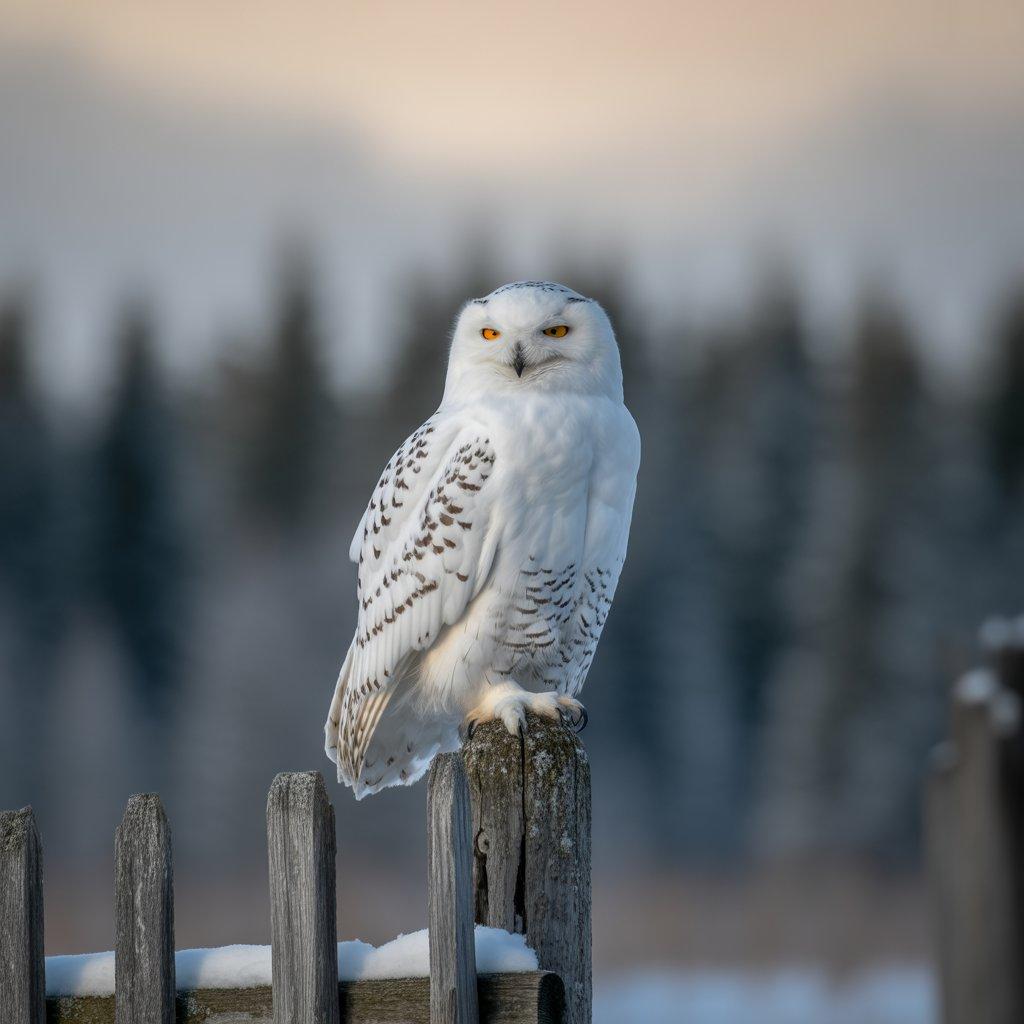
Snowy Owl (Generated by Artificial Intelligence.)
What Do They Eat?
Snowy owls primarily feed on small rodents. They may also hunt rabbits, birds, and occasionally fish. They capture their prey by gliding silently and striking with sudden precision.
Where Do They Live?
Snowy owls typically inhabit tundra and open areas around the North Pole. They prefer treeless, expansive and cold regions. During winter months, they may migrate southward into parts of Canada, northern Europe and Russia in search of food.
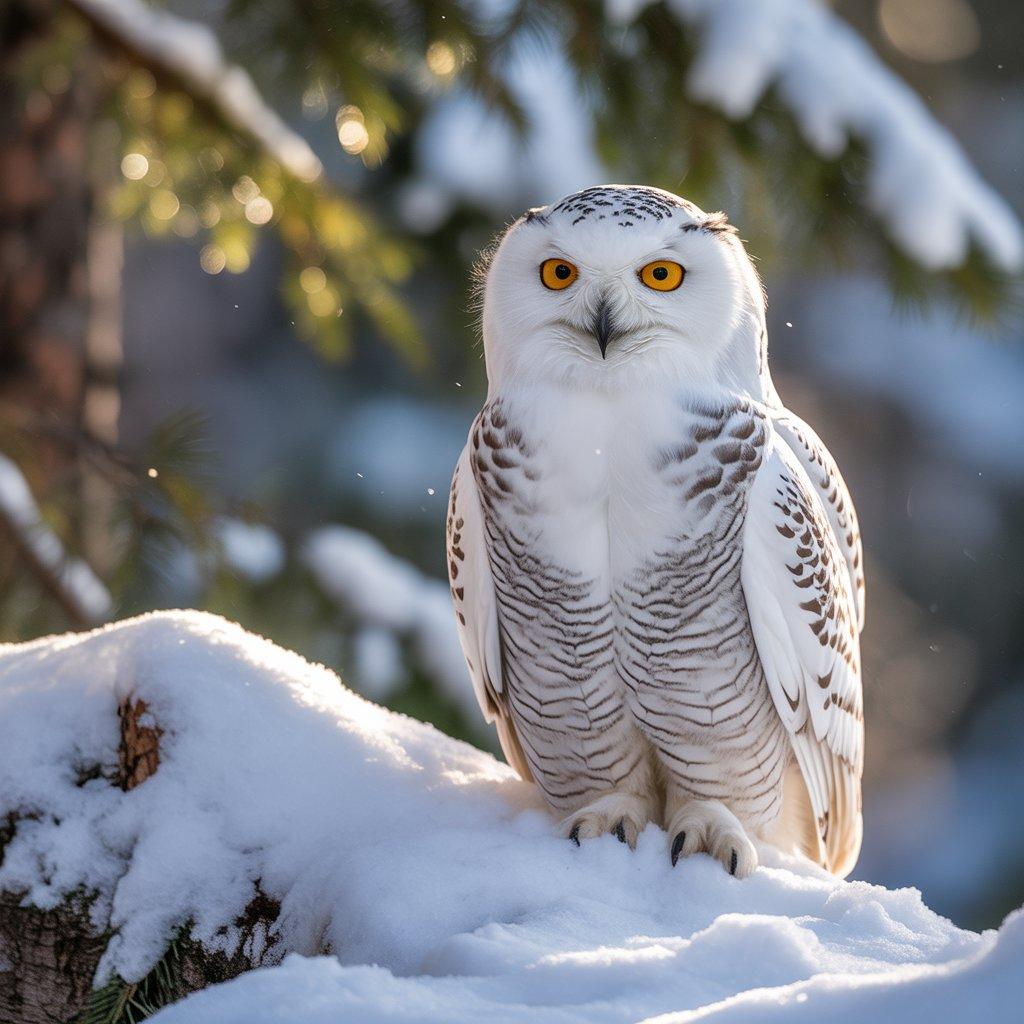
Snowy Owl (Generated by Artificial Intelligence.)
Contributions to the Ecosystem
Snowy owls play a vital role in the ecosystem by keeping populations of rodents and small animals in balance. This helps preserve vegetation and ensures the sustainability of habitats for other animal species.
Conservation Status
The snowy owl is classified as Vulnerable by the International Union for Conservation of Nature (IUCN). This indicates that its population is declining and that changes in its habitat and climate conditions pose a threat to its survival.