


Bu içerik Türkçe olarak yazılmış olup yapay zeka ile otomatik olarak İngilizceye çevrilmiştir.
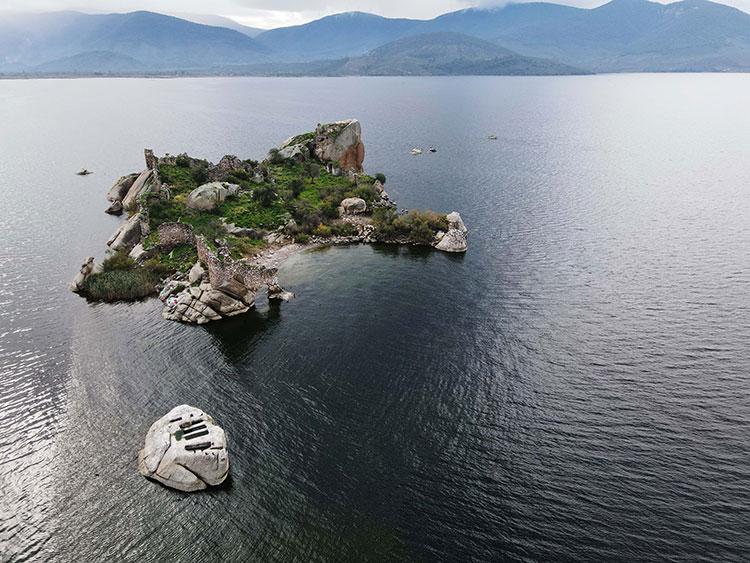
Bafa Lake is a natural dam lake located within the boundaries of Aydın and Muğla provinces, possessing significant natural, archaeological, and ecological value. In antiquity, it was a bay of the Aegean Sea, but its connection to the sea was severed due to the accumulation of alluvium carried by the Büyük Menderes River, forming the lake as it exists today. This geological process also contributed to the formation of the Söke Plain in the region.

Bafa Lake (Milas Municipality)
Bafa Lake is situated approximately 10 km from Didim, to the east of the Söke-Milas Highway. The lake covers an area ranging between 7,000 and 12,281 hectares, with a length of 15.4 km, a width of 4.5 km, an average depth of 2 metres, and a maximum depth of 25 metres. To the south of the lake rise the İlbıra Mountains, while to the north lie the Beşparmak Mountains (Latmos).
The primary sources of water for the lake are the regular floods of the Büyük Menderes River and groundwater and surface water flowing from the surrounding mountains. Changes in the flow regime of the Büyük Menderes River and the construction of flood control dams between the river and the lake have led to declines in the lake’s water level and an increase in salinity.

Bafa Lake (Anadolu Agency)
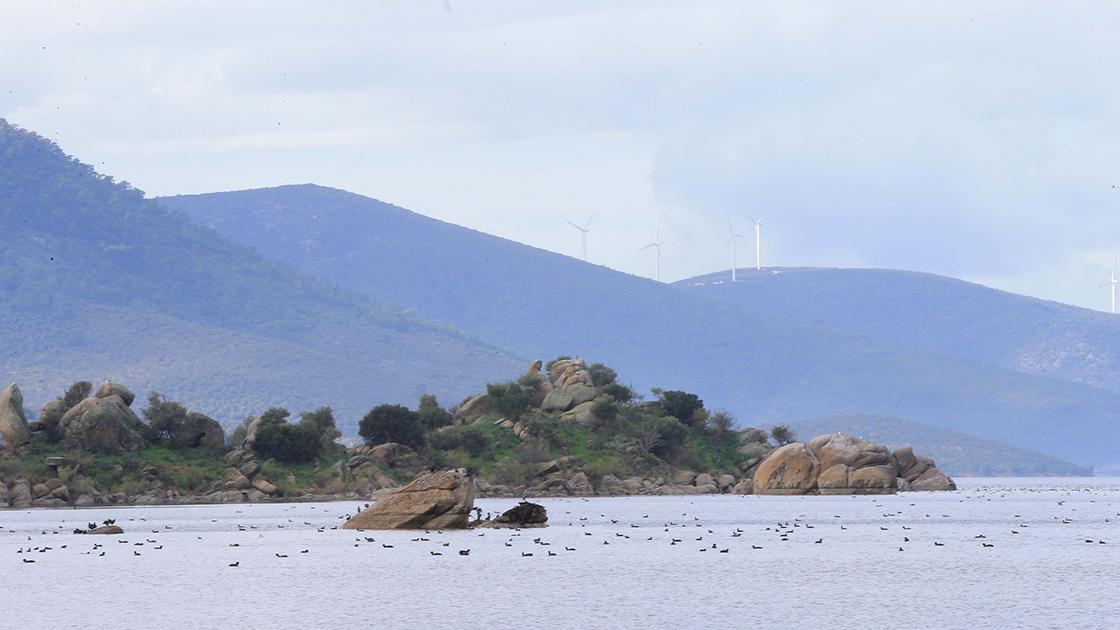
Bafa Lake is an ecologically significant site at the international level due to its rich biodiversity. In 1994, it was declared a Nature Park by a decision of the Council of Ministers and also holds the status of an Important Bird Area (IBA).

Bafa Lake (Anadolu Agency)
Within Bafa Lake there are five islands: İkiz Ada, Menet Adası, Kapıkırı Adası, Kahve Asar Adası, and Uyuz Ada. The tip of the İkizce Peninsula may also become an island due to rising water levels. These islands contain Byzantine-era defensive structures and monasteries, including one dedicated to the Virgin Mary.
The lake’s surroundings host numerous archaeological settlements. Remains of the ancient cities of Herakleia and Latmos, as well as the ancient theatre in the village of Kapıkırı, reveal the region’s historical depth and serve as important tourist sites. Some sections of these ancient cities fall within the boundaries of the Nature Park and are designated as a First-Degree Archaeological Site Area.
Bafa Lake (Anadolu Agency)
Along the highway passing to the west of the lake, there are day-use coastal recreation facilities. Intensive fishing is practiced on the lake, and rural settlements are present along the southern shore. Cotton fields are found on the flat land along the northern shore, while olive groves are common along the dry and rocky coastal areas.
Bafa Lake faces several threats:
Water Quality: Alterations to the flow regime of the Büyük Menderes River and the construction of flood control dams between the river and the lake have increased the lake’s salinity and negatively impacted the ecosystem. Runoff from agricultural lands can cause pollution in the lake. Water samples from Bafa Lake and its connecting channels are generally classified as NaCl type, with observed increases in Na+ and Cl- concentrations due to anthropogenic pollutants. The lake and channel waters are typically classified as Class IV water quality based on trace element and nitrogen compound content, making them unsuitable for irrigation. However, some streams and groundwater sources are suitable for irrigation. Effluent from fish farming facilities also contributes to high ion concentrations in the channel waters.
Illegal Hunting: This poses a serious threat to the wildlife of the lake and its surroundings.

Bafa Lake (Anadolu Agency)
Bafa Lake offers visitors diverse experiences through its natural diversity and range of activities. In 2004, the General Directorate of Nature Conservation and National Parks prepared the Long-Term Development Plan for Bafa Lake Nature Park. The Aydın Provincial Directorate of Environment and Forestry continues its efforts to prevent illegal hunting and forest loss.
Visitors can observe birds, take nature walks, set up camps, and explore the lake by boat. Additionally, activities such as mountaineering, cycling, photo safaris, painting, landscape viewing, angling, and botanical tours can be carried out throughout the year.
Anadolu Ajansı. “Son yağışlarla su seviyesi yükselen kuş cenneti Bafa Gölü eski manzarasına kavuştu.” December 10, 2023. Accessed June 17, 2025. https://www.aa.com.tr/tr/gundem/son-yagislarla-su-seviyesi-yukselen-kus-cenneti-bafa-golu-eski-manzarasina-kavustu/3077859
Bafa Gölü. "Coğrafya." 2019. Accessed June 17, 2025. https://bafagolu.org/sayfa/3
Davraz, Ayşen, and Şamil Yıldız. “Bafa Gölü Havzası Yüzey ve Yeraltı Sularının Hidrojeokimyası ve Kirliliği.” *Mühendislik Bilimleri ve Tasarım Dergisi* 11, no. 1 (2023): 145–159. Accessed June 17, 2025. https://dergipark.org.tr/tr/download/article-file/2661474
Doğa Derneği. "Bafa Gölü." Accessed June 17, 2025. https://dogadernegi.org/bafa-golu/
Milas Belediyesi. "Bafa Gölü Milli Parkı." June 13, 2023. Accessed June 17, 2025.
Ministry of Culture and Tourism of the Republic of Türkiye. "Bafa Gölü." Last Updated January 3, 2023. Accessed June 17, 2025. https://www.kulturportali.gov.tr/turkiye/mugla/gezilecekyer/bafa-golu
T.C.Söke Kaymakamlığı Governorship. "Bafa Gölü." Accessed June 17, 2025. http://www.soke.gov.tr/bafa-golu

Henüz Tartışma Girilmemiştir
"Bafa Lake Nature Park" maddesi için tartışma başlatın
Geographical and Hydrological Characteristics
Ecological Richness and Biodiversity
Islands and Historical/Archaeological Value
Land Use and Threats
Conservation Efforts and Recreational Potential