


Bu içerik Türkçe olarak yazılmış olup yapay zeka ile otomatik olarak İngilizceye çevrilmiştir.
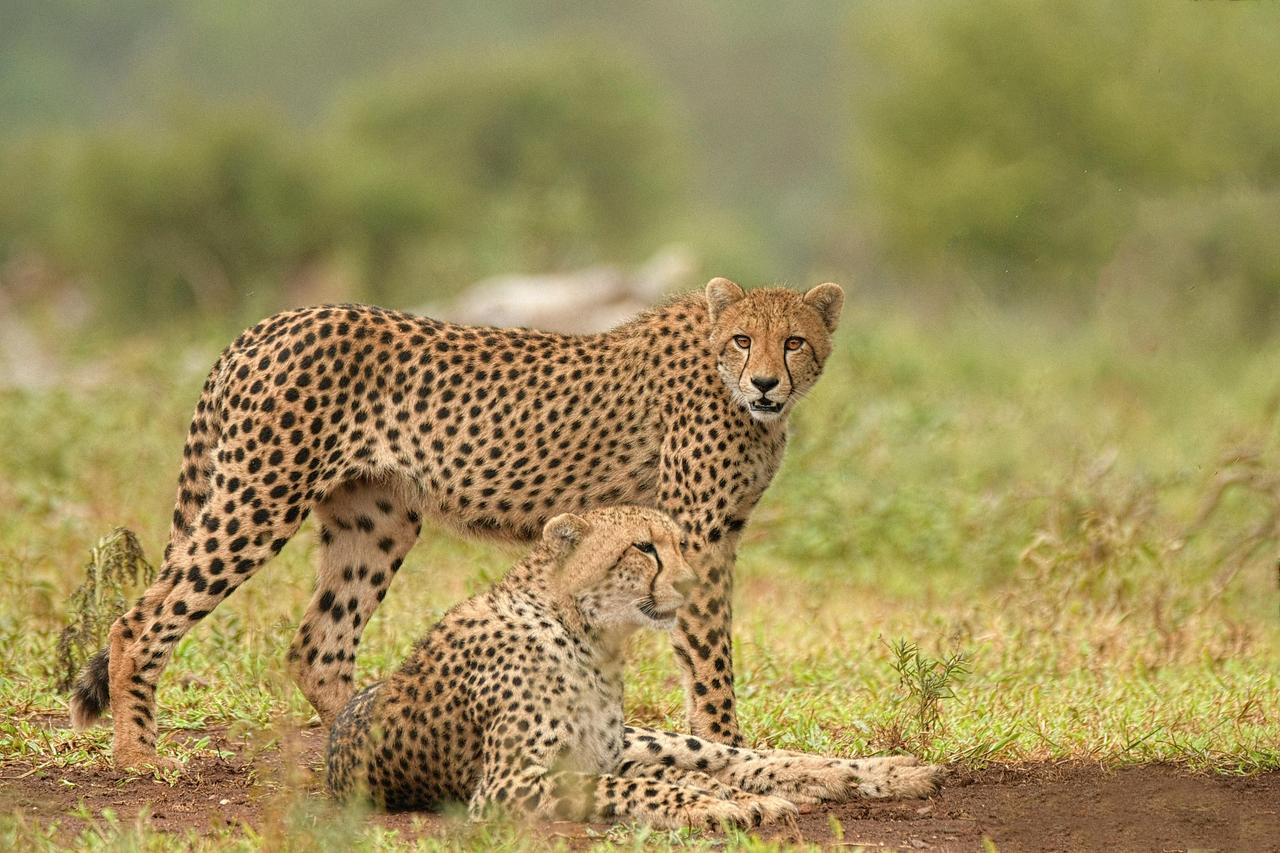
Cheetahs, scientifically known as Acinonyx jubatus, are recognized as the fastest-running species among animals. These capabilities are attributed to a unique set of morphological and physiological adaptations that have evolved through specialized evolutionary processes. Cheetahs’ habitats have historically extended across vast African savannas, certain regions of Iran, and broader geographic areas. However, in contemporary times, their populations are declining due to habitat loss and human impacts.
The cheetah’s body structure is the result of highly specialized evolutionary adaptations. Its slender, lightweight build, long legs, and flexible spine support rapid acceleration and the attainment of high maximum speeds.
The natural habitats of cheetahs primarily consist of open grasslands and savannas. These environments provide the space necessary for high-speed pursuit and wide-ranging hunting.

Close-up of a sleeping cheetah, Fatih Turan
The cheetah’s hunting strategy relies on high speed and explosive bursts of motion.
The reproductive behavior and social structure of cheetahs exhibit distinct differences from those of other large cats.
Cheetahs currently face serious threats.
Cheetahs are among nature’s most remarkable predators, distinguished by their evolutionary adaptations, extraordinary speed, and specialized hunting strategies. Their spatial and physiological traits enable survival across expansive savannas; however, the habitat loss and human pressures they face today threaten the sustainability of their populations. Consequently, the conservation of cheetahs is critically important for the preservation of biological diversity.
Cheetah Conservation Fund (CCF) – www.cheetah.org
National Geographic. (n.d.). Cheetah. Accessed April 5, 2025. https://www.nationalgeographic.com/animals/mammals/facts/cheetah

Henüz Tartışma Girilmemiştir
"Cheetah" maddesi için tartışma başlatın
Physical Characteristics and Adaptations
Habitat and Distribution
Hunting and Feeding Behavior
Reproduction and Social Structure
Conservation Status and Threats