


The Kashmir conflict is one of the longest-standing and most complex disputes between India and Pakistan. Emerging with the independence of both nations in 1947, the issue has led to multiple wars, diplomatic crises, and human rights violations to this day. Given its strategic location, water resources, and ethnic composition, Kashmir is not only a point of contention between India and Pakistan but also a matter of global significance.
With the withdrawal of the British from the Indian subcontinent, India and Pakistan emerged as two separate states. However, the status of Kashmir remained unresolved. At the time, Maharaja Hari Singh, the ruler of Kashmir, could not decide whether to accede to India or Pakistan. In 1947, with the entry of Pakistan-backed militants into Kashmir, the Maharaja sought military assistance from India, agreeing to accede to India in return.
This development led to the first Indo-Pakistani War over Kashmir in 1947-1948. A ceasefire was brokered by the United Nations (UN), resulting in the de facto division of the region into "Azad Kashmir" under Pakistan’s control and "Jammu and Kashmir" under India’s control. However, the UN-proposed referendum on Kashmir's status was never held, leaving the dispute unresolved to this day.
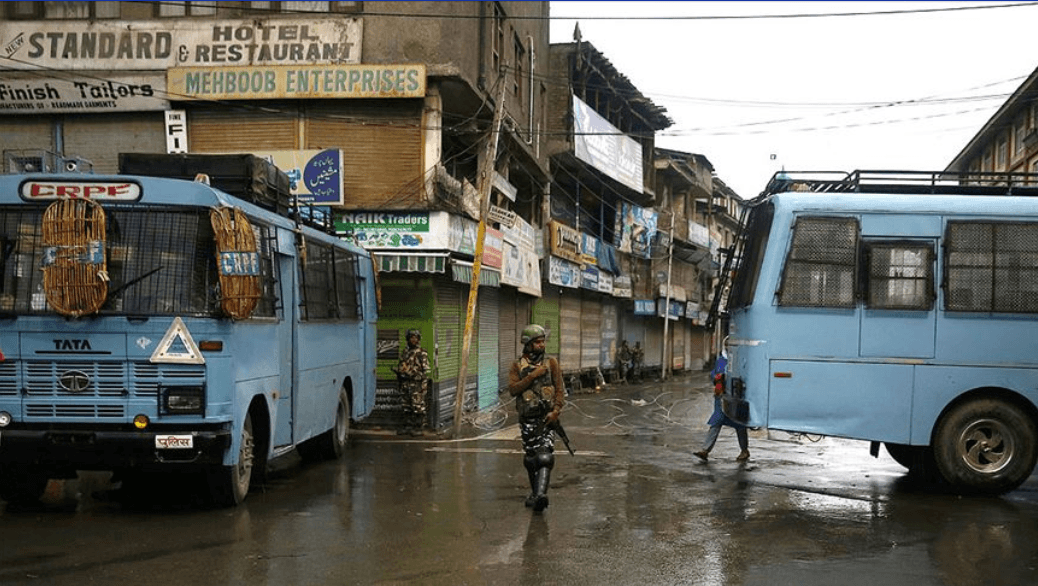
Kashmir Region
Several military conflicts have erupted between India and Pakistan over Kashmir:
These wars demonstrated that a military resolution to the conflict was unattainable, prompting both nations to pursue diplomatic channels. However, frequent border skirmishes persist, keeping the Kashmir issue an unresolved conflict.
Kashmir is not merely a territorial dispute; it holds strategic importance for both India and Pakistan:
In recent years, Kashmir has been at the center of international attention due to human rights violations and security operations:
Beyond being a regional dispute, Kashmir is a matter of interest for global actors:
Various scenarios have been proposed for resolving the Kashmir conflict:
The Kashmir conflict remains a historical dispute with geopolitical, economic, and religious dimensions between India and Pakistan. A resolution requires diplomatic engagement, trust-building, and regional cooperation. Military approaches and coercive policies only exacerbate the situation, further complicating the lives of the local population. Experts emphasize that lasting peace can only be achieved through a mutually acceptable and just resolution between both parties.
Anadolu Ajansı. "5 Soruda Keşmir Sorunu." AA, 2023. Accessed February 8, 2025. https://www.aa.com.tr/tr/dunya/5-soruda-kesmir-sorunu/1557144.
BBC News. "What Led to Kashmir Decision by India’s Top Court?" BBC, December 11, 2023. Accessed February 8, 2025. https://www.bbc.com/news/10537286.
Karakaya, İskender, and Mohammad İshak Nazari. "Hindistan-Pakistan Çatışmasında Keşmir Sorunu." International Journal of Social Sciences 7, no. 3 (2023): 1–22.
Oğuş, Nezir. "Çatışma Çözümlemesi Bakımından Keşmir Sorunu." İktisadi ve İdari Yaklaşımlar Dergisi 5, no. 2 (2023): 109–122.
Reuters. "India-Pakistan Start New Innings of Cricket Diplomacy." Reuters, 2023. Accessed February 8, 2025. https://www.reuters.com/world/india/what-led-kashmir-decision-by-indias-top-court-2023-12-11/.

Henüz Tartışma Girilmemiştir
"Kashmir Conflict" maddesi için tartışma başlatın
Historical Background of the Kashmir Conflict
Wars and Diplomatic Efforts over Kashmir
Strategic and Economic Significance of Kashmir
Human Rights and Security Situation in Kashmir
International Actors and the Role of the United Nations
Potential Resolutions and Future Scenarios
Bu madde yapay zeka desteği ile üretilmiştir.