Bu içerik Türkçe olarak yazılmış olup yapay zeka ile otomatik olarak İngilizceye çevrilmiştir.
+2 Daha
Title(s) | Madam X | ||||||||
|---|---|---|---|---|---|---|---|---|---|
Type(s) | Portrait | ||||||||
Dimension(s) | Approximately 100.5 × 65 cm | ||||||||
Date(s) | 1889 | ||||||||
Current Location | Sakıp Sabancı Museum Painting Collection | ||||||||
First Exhibition | 1889 Paris Universal Exhibition (marking the 100th anniversary of the French Revolution) | ||||||||
Technique | Pastel and oil on cardboard | ||||||||
Artist | Halil Pasha (1857–1939) | ||||||||
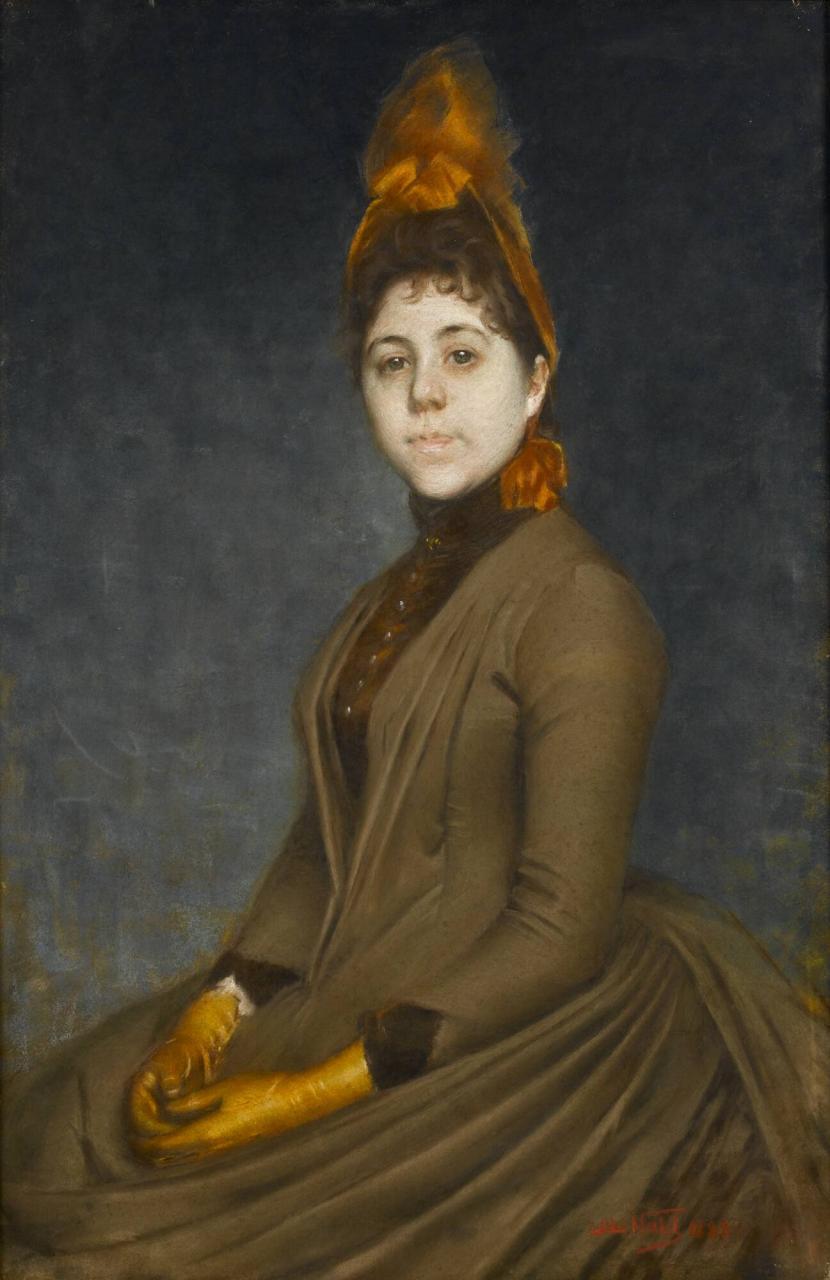
Madam X, is a portrait produced in 1889 by the Ottoman painter Halil Paşa. The work is regarded as an example of the synthesis between the artist’s academic training in Paris and his military background, and is analyzed within the context of late Ottoman portraiture, technical proficiency, and cultural representation.
Halil Paşa, who was trained within the Ottoman military education system and is regarded as one of the pioneers of modern Turkish painting, is particularly known for his portraits and landscapes. His relationship with the imperial court, established after receiving technical training at the Mühendishâne-i Berrî-i Hümâyûn, shaped the direction of his artistic career. In 1880 he was sent to Paris to pursue academic painting education. At the École des Beaux-Arts in Paris, he studied under Gustave Courtois and also worked in the atelier of Jean-Léon Gérôme, a period that equipped him with a strong sense of design and academic discipline, especially in portraiture.
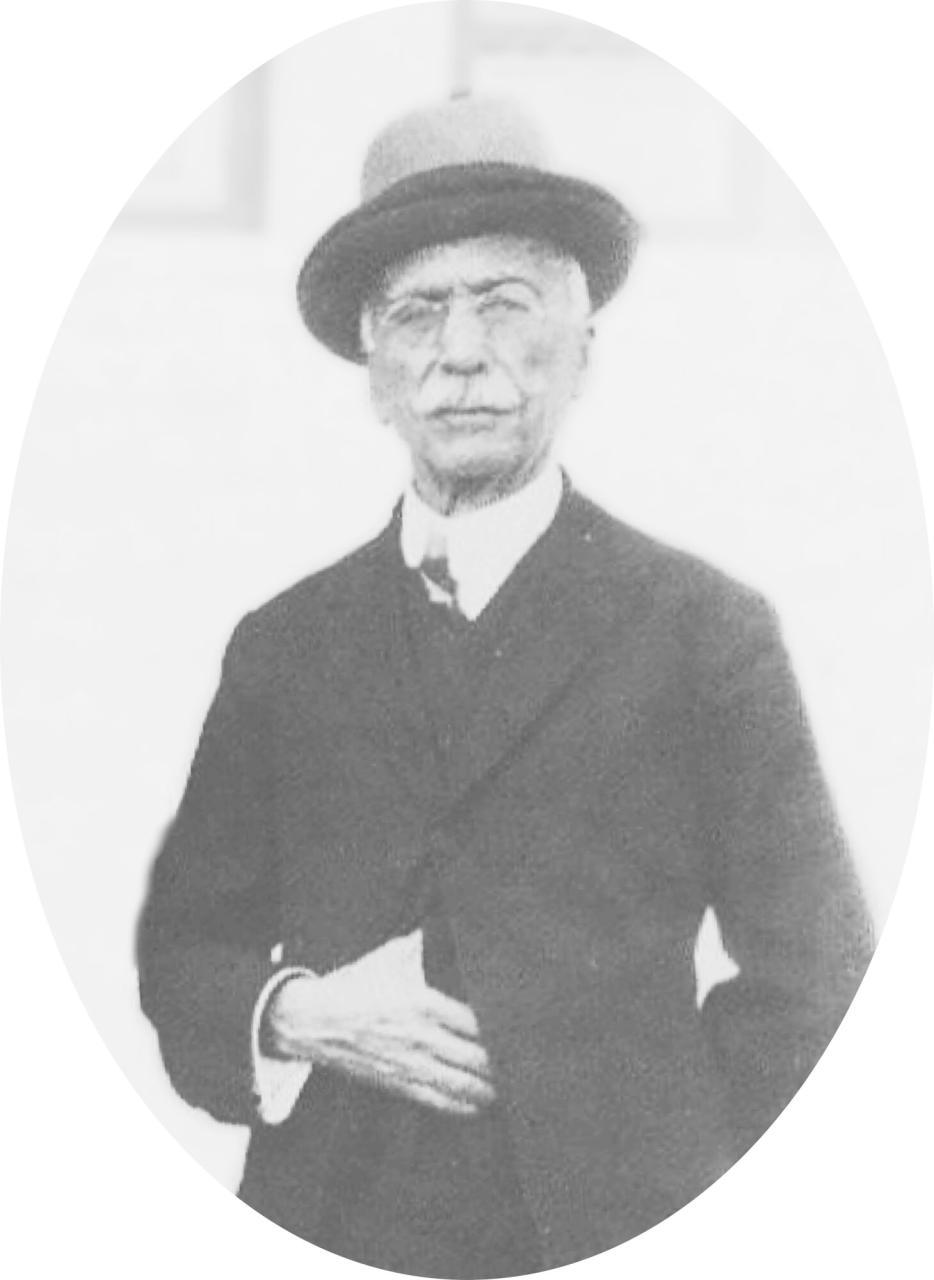
Halil Paşa (Sakıp Sabancı Müzesi)
Halil Paşa gained international recognition when his portrait titled Madame X won an award at the 1889 Paris International Exhibition. This success contributed to his recognition as one of the key figures in Ottoman painting who represented the Western-style portraiture tradition. After returning to Türkiye, his teaching at military academies and the Sanâyi-i Nefîse Mektebi played a significant role in establishing an observational approach to painting. He occupies a distinguished position in Turkish painting history both as an artist and as an educator.
Madam X was first presented to the public during the 1889 Paris Universal Exhibition, held to commemorate the centenary of the French Revolution. The painting was awarded a bronze medal at the same exhibition, a milestone that enhanced Halil Paşa’s visibility in the international art scene.
The painting’s first exhibition in Istanbul took place in 1902 at a group show in Beyoğlu, where a total of 24 works by the artist were displayed. Today, Madam X is part of the Sakıp Sabancı Museum’s Painting Collection and is regularly featured in the museum’s permanent or temporary exhibitions.
Madam X measures approximately 100.5 × 65 cm and was executed on cardboard using pastel and oil paint techniques. In the composition, the figure sits with her torso turned at an angle of about 45 degrees, while her face is directly oriented toward the viewer. The background features a dominant palette of dark and cool tones, while the warmth created by earth tones in the figure’s skin and clothing comes to the foreground.
The combined use of pastel and oil paint allowed for the simultaneous application of an impressionistic approach in the background and a classical-academic discipline in the figure. Highlights are achieved through subtle white touches, particularly in the pupils of the eyes and the reflective details of the clothing.
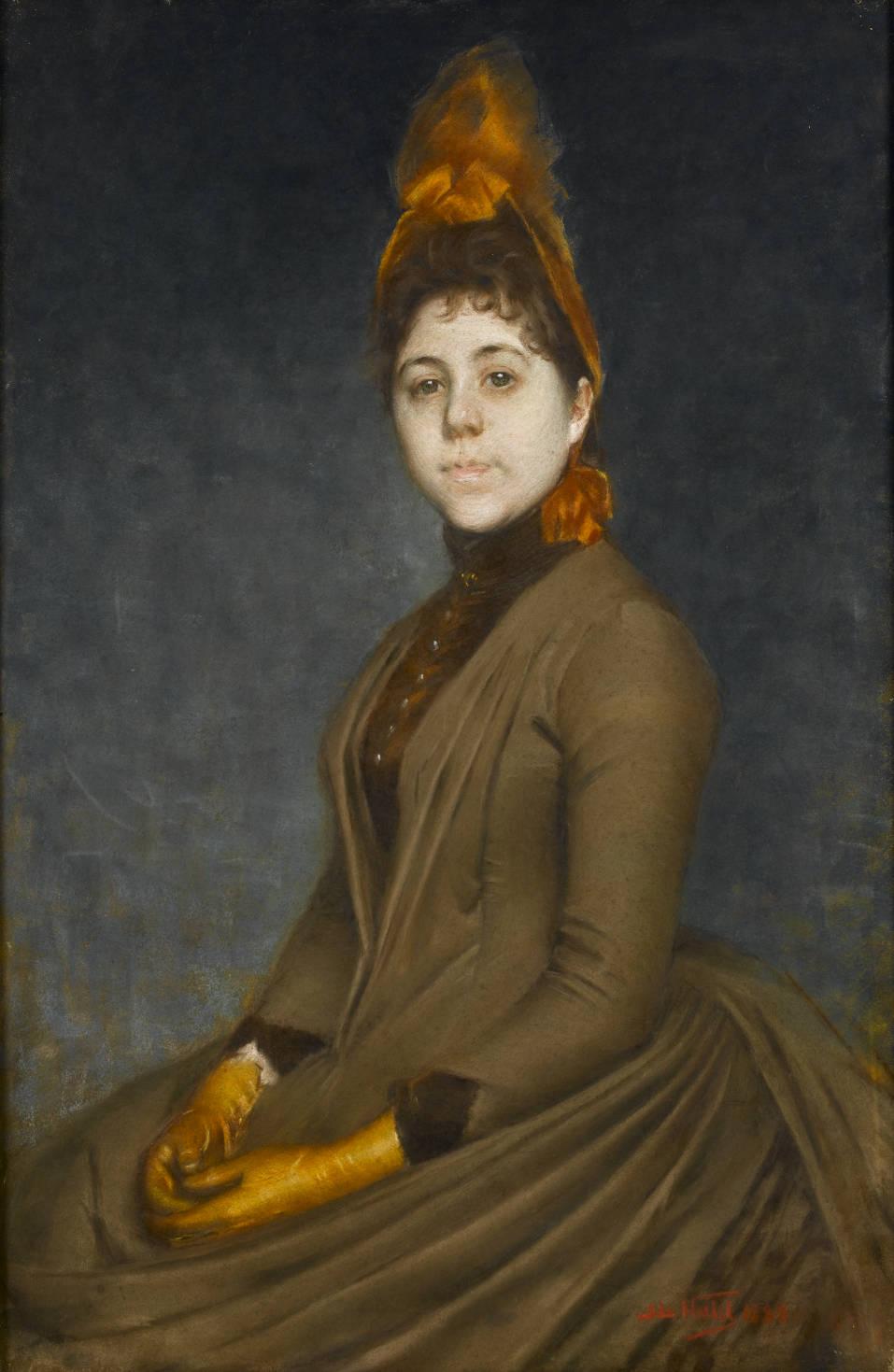
Madam X (Sakıp Sabancı Müzesi)
The female figure depicted in the painting occupies the center of the composition through her direct gaze and balanced posture. Her gloved hands, clad in yellow leather, are positioned above the voluminous brown dress, guiding the viewer’s attention between the face and the hands.
Halil Paşa’s figural approach in this work is interpreted as a reflection of the precision, order, and technical accuracy acquired during his military education. Perspective, design, and volume construction are analyzed in relation to his academic training.
Madam X has been examined within the context of visual representations of cultural identity in late Ottoman painting. The female figure is devoid of explicit individual identifiers; instead, her social position is conveyed through fashionable attire and posture aligned with the era’s conventions.
Research indicates that Halil Paşa did not construct the figure as an object of desire; rather, he approached female identity through socio-economic and cultural markers. In this regard, Madam X is interpreted as a representation of the modern female image and the cultural orientations of Ottoman society during its modernization process.
Madam X holds significance in the context of Ottoman painters’ representation at international exhibitions, as it was one of Halil Paşa’s award-winning works from his time in Paris. The painting is regarded as a successful example of the classical-academic figurative tradition in Ottoman painting and has reinforced Halil Paşa’s position within the tradition of military painters.
Kaya, Gülsen Sevinç, Kılınç, Ümit. "Millî Saraylar Resim Müzesi Yaver Ressamlar Osman Nuri Paşa, Halil Paşa, Şeker Ahmed Ali Paşa Ve Hüseyin Zekâi Paşa Koleksiyonları." *Milli Saraylar Sanat Tarihi Mimarlık Dergisi*, 24, (2023): 150-191. Accessed January 14, 2026. https://dergipark.org.tr/tr/download/article-file/3124342
Sakıp Sabancı Museum. "Madam X." SSM. Accessed January 11, 2026. https://www.sakipsabancimuzesi.org/sanatci/256/848
Sakıp Sabancı Museum. “Halil Paşa.” SSM. Accessed January 11, 2026. https://www.sakipsabancimuzesi.org/sanatci/256
Terzi, İhsan. “Halil Paşa’nın Askerî Eğitim-Öğretimi ve Resim Sanatı.” *Ondokuz Mayıs Üniversitesi Eğitim Fakültesi Dergisi*, 9 (2015): 202–232. Accessed January 11, 2026. https://dergipark.org.tr/tr/download/article-file/188115
Yavaşca, Mert. “Geç Dönem Osmanlı Resim Sanatında Kültürel Kimliğin Temsili: Ressam Halil Paşa’nın Madam X Tablosu.” Uluslararası Troy Sanat ve Tasarım Dergisi, 5/2 (2022): 44–53. Accessed January 11, 2026. https://dergipark.org.tr/tr/download/article-file/5428441

Title(s) | Madam X | ||||||||
|---|---|---|---|---|---|---|---|---|---|
Type(s) | Portrait | ||||||||
Dimension(s) | Approximately 100.5 × 65 cm | ||||||||
Date(s) | 1889 | ||||||||
Current Location | Sakıp Sabancı Museum Painting Collection | ||||||||
First Exhibition | 1889 Paris Universal Exhibition (marking the 100th anniversary of the French Revolution) | ||||||||
Technique | Pastel and oil on cardboard | ||||||||
Artist | Halil Pasha (1857–1939) | ||||||||
Henüz Tartışma Girilmemiştir
"Madam X (Painting)" maddesi için tartışma başlatın
Halil Paşa (1857–1939)
Production and Exhibition History
Technical Features
Composition and Figural Approach
Representation of Cultural Identity
Place in Art History