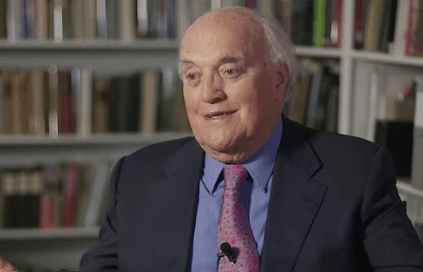

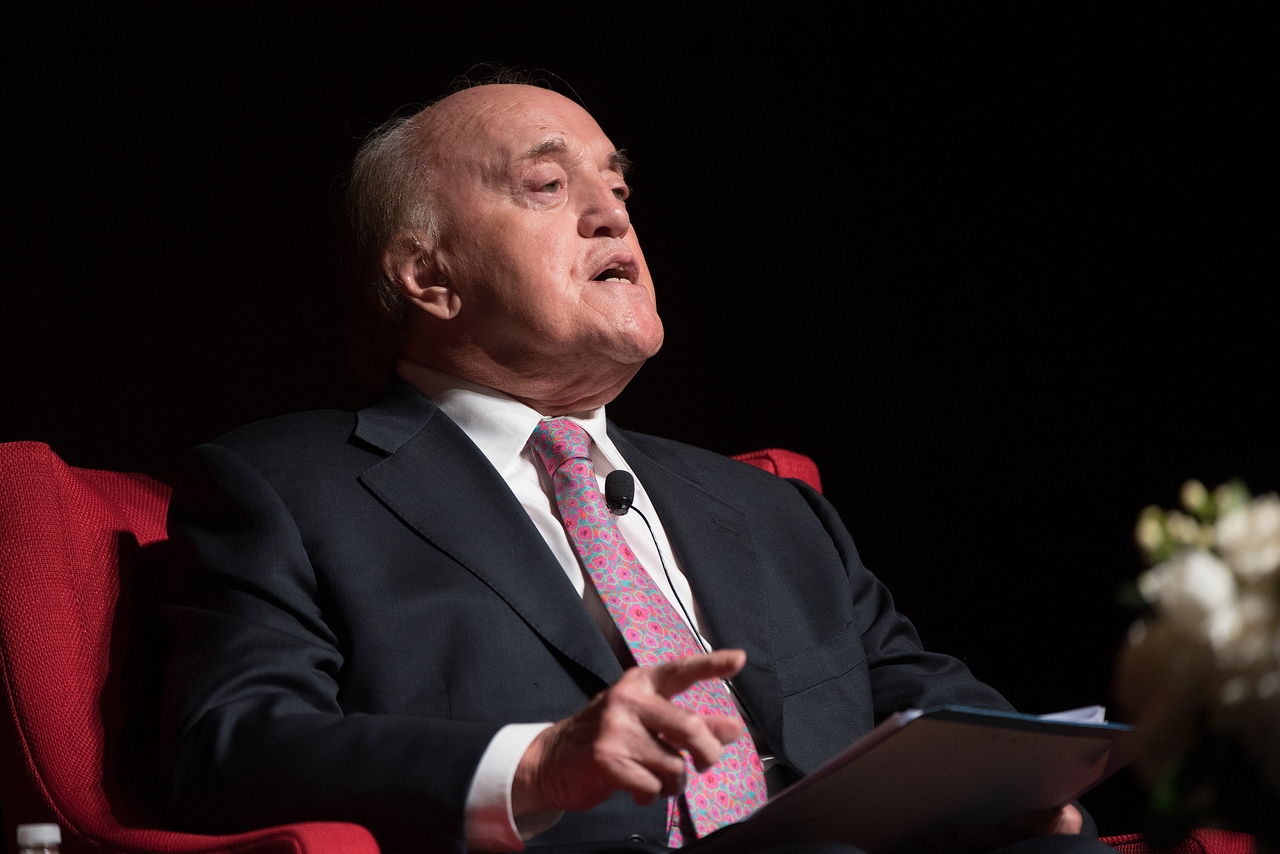

Peter Arnett (13 November 1934, Riverton, New Zealand – 17 December 2025, Newport Beach, United States) was a Pulitzer Prize-winning New Zealand-born American journalist renowned for his war reporting spanning from the Vietnam War to the Gulf War.
Peter Arnett Tells His Memories of the Gulf War(Foundation INTERVIEWS)
Arnett began his journalism career after high school at the New Zealand newspaper Southland Times. While planning to move to England, he ended up in Thailand where he worked for the English-language newspaper Bangkok World and later for a publishing house in Laos. The professional connections he made during this period led him to the Associated Press (AP), laying the foundation for a lifelong career as a war correspondent.
In 1962, Arnett traveled to Vietnam on behalf of the Associated Press and remained in the region until the war ended in 1975. His reporting on the Vietnam War earned him the Pulitzer Prize for international journalism in 1966. During this time, he worked alongside prominent journalists such as Malcolm Browne and Horst Faas at the Saigon bureau.
During his years in Vietnam, Arnett reported from conditions extremely close to the front lines. In 1966, he witnessed the death of a U.S. battalion commander killed by sniper fire while accompanying him. In the final days of the war, despite orders from AP headquarters to destroy bureau documents, Arnett believed they held historical value and sent them to the New York office; these archives were later incorporated into the AP’s official collection.
After the Vietnam War, Arnett continued working for the Associated Press until 1981, when he joined the newly launched CNN. During the First Gulf War in 1991, he became a household name for his live broadcasts from Baghdad. While most Western journalists had left the city, Arnett remained in Baghdad and gained international attention through phone-in reports filed from under bombardment. His interviews with Iraqi President Saddam Hussein and later with Osama bin Laden, who would become the leader of Al-Qaeda, sparked intense controversy.
In 1995, Arnett published his memoir Live From the Battlefield: From Vietnam to Baghdad, 35 Years in the World’s War Zones, detailing his professional life and war correspondence experiences. He left CNN in 1999, a departure linked to a news report he did not write but narrated and which was later retracted. In 2003, while covering the Iraq War for NBC and National Geographic, he was dismissed after criticizing U.S. war strategy in an interview with Iraqi state television. His remarks were sharply criticized in the United States. Nevertheless, he soon resumed work for television networks in Taiwan, the United Arab Emirates, and Belgium.
In 2007, Arnett served as a journalism instructor at Shantou University in China. After retiring in 2014, he lived with his wife Nina Nguyen in Fountain Valley, California.
Peter Arnett died on 17 December 2025 in Newport Beach from prostate cancer. He was surrounded by family and close associates at the time of his death.
Henüz Tartışma Girilmemiştir
"Peter Arnett" maddesi için tartışma başlatın
Education and Career
Vietnam War Era
First Gulf War Era
Publication of His Memoir and Departure from CNN
Death