


Bu içerik Türkçe olarak yazılmış olup yapay zeka ile otomatik olarak İngilizceye çevrilmiştir.
+2 Daha
Şanlıurfa Oyun ve Oyuncak Müzesi
The Şanlıurfa Game and Toy Museum is a cultural institution located in the Şenevler Neighborhood of Karaköprü District in Şanlıurfa Province, Türkiye, and holds the distinction of being the city’s first toy museum. Opened to the public on 19 June 2018, the museum was established by the Karaköprü Municipality as part of its cultural initiatives aimed at children, youth, and adults. The museum houses toys from various historical periods as well as artifacts collected from different countries, appealing to both children and adults alike.
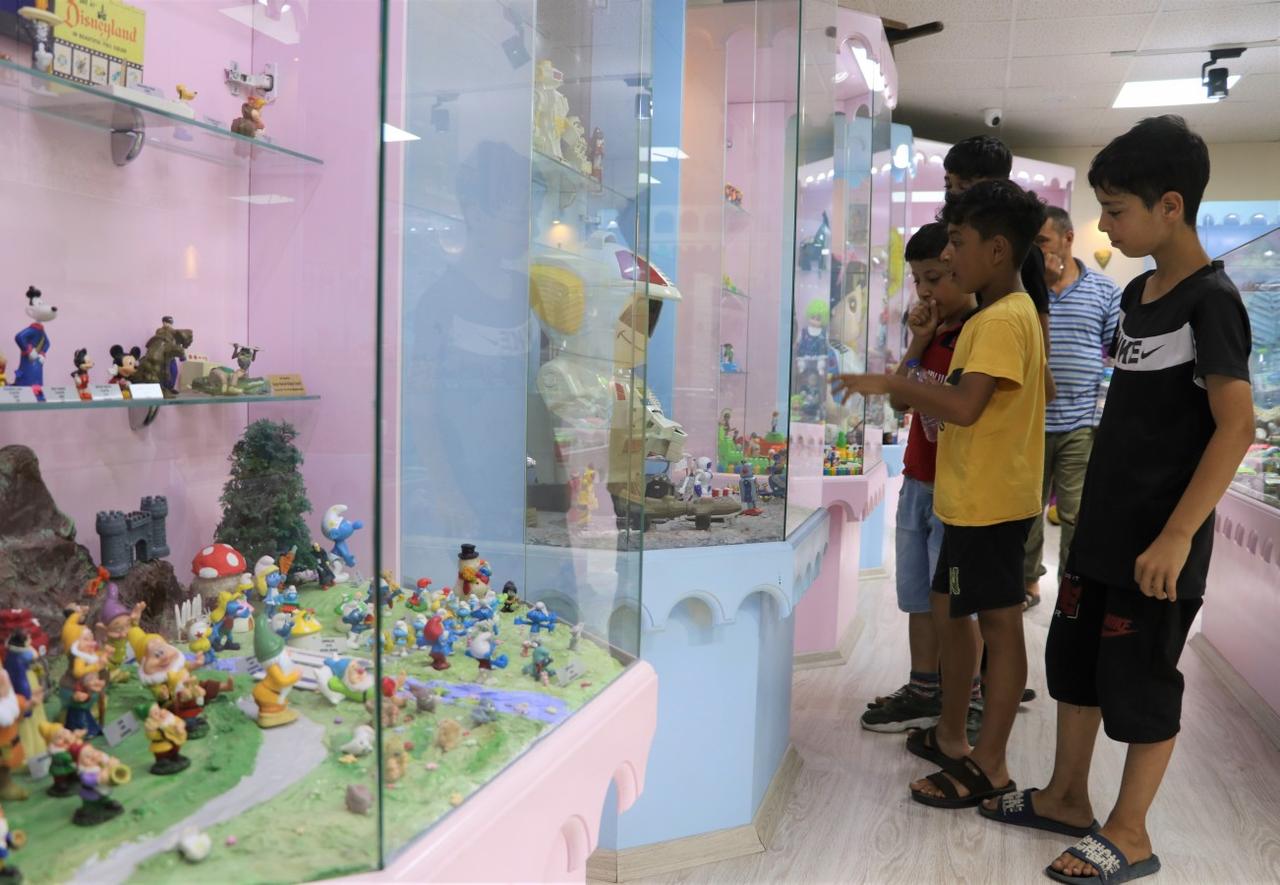
Image of the Şanlıurfa Game and Toy Museum (Karaköprü Municipality)
The museum initiative was launched by the Karaköprü Municipality within the framework of the mayor’s “museum city” vision. As the pioneering body behind the project, the municipal administration organized a donation campaign to involve the local community in the museum’s establishment. Residents were invited to donate toys from their own childhoods, and donors were acknowledged by name in association with the exhibited items. The preparation phase lasted approximately one and a half years, and initial announcements suggested the museum would open on the second day of Ramadan Bayram; however, the official opening date is recorded as 19 June 2018. According to early reports, the initial collection consisted of approximately one thousand items, and since then the museum has expanded its collection through additional donations and acquisitions.
The museum is situated within Karaköprü’s Culture Park and serves visitors through both indoor exhibition spaces and outdoor garden arrangements. The garden features scale models of cartoon characters and various animals, as well as installations evoking traditional street games, offering interactive play opportunities for children accompanying their museum visits. The museum’s physical layout integrates indoor exhibition areas with outdoor garden design to create both chronological and thematic visitor routes.
The museum’s collection spans a broad time period from the 1930s to the present. Among the artifacts are handmade traditional toys, mass-produced industrial toys, mechanical toys, dolls, and puppets. The main categories of the collection are as follows:
Mechanical and moving toys: Pedal-operated toy cars and mechanical devices from the 1950s are among the most notable examples. These toys illustrate small-scale technological applications of their era designed for children.
Dolls and puppets: Both handmade and factory-produced dolls and puppets vary in materials, manufacturing techniques, and size. Some dolls show signs of repairs and maintenance due to prolonged use, reflecting the sociocultural history of their owners.
Wooden and handmade street toys: Examples such as toy trucks made from wire, wooden skateboards, and game boards crafted with nails document local production traditions and children’s creativity.
International and propaganda toys: The collection includes toys acquired from outside Türkiye, as well as examples of toys produced during World War II for propaganda purposes.
The museum does more than display toys; it also provides visitors with cultural and historical context. A dedicated section commemorating the Victory of Çanakkale aims to foster national awareness among children. During organized school and kindergarten visits, children are given the opportunity to recognize toys used in the past and compare them with those of their own time. This process seeks to reduce dependency on digital devices and introduce children to the culture of creative play.
Since its opening, the museum has attracted visitors not only from Karaköprü but also from other districts of Şanlıurfa and neighboring provinces such as Diyarbakır, Mardin, and Adıyaman. Adult visitors often experience nostalgic moments upon seeing toys they used in their own childhoods, and some share personal memories related to these objects. For instance, a doll dating back 80 years was donated to the museum by a donor living in Istanbul; such donations have enhanced the collection’s value.
The museum’s exhibition approach emphasizes the evolution of toys over time in terms of materials, form, and technology. By employing both chronological and thematic arrangements, visitors are enabled to compare toys according to their historical period and functionality. Additionally, the inclusion of donor stories in the museum’s presentations supports the goal of showcasing artifacts not merely as objects but within their sociocultural contexts.
Güncan, Özlem. “Şanlıurfa Oyun ve Oyuncak Müzesi.” *Online Türkiye Turizm Ansiklopedisi*, edited by N. Kozak, 2021. Accessed August 11, 2025. https://turkiyeturizmansiklopedisi.com/sanliurfa-oyun-ve-oyuncak-muzesi.
Karaköprü Municipality. "Oyun ve Oyuncak Müzesi Minik Misafirlerini Ağırlıyor." Karaköprü Municipality Official Website, February 1, 2024. Accessed August 11, 2025. https://www.karakopru.bel.tr/icerik/1897/12/-oyun-ve-oyuncak-muzesi-minik-misafirlerini-agirliyor
Karaköprü Municipality. "Çocuklar Oyuncak Müzesini Çok Sevdi." Karaköprü Municipality Official Website, July 14, 2023. Accessed August 11, 2025. https://www.karakopru.bel.tr/icerik/1700/12/-cocuklar-oyuncak-muzesini-cok-sevdi-.
T.C. İletişim Başkanlığı. “Karaköprü'nün Oyun ve Oyuncak Müzesi Çocukları Büyülüyor.” T.C. İletişim Başkanlığı Yerel Basın Bülteni. Accessed August 11, 2025. https://www.iletisim.gov.tr/turkce/yerel_basin/detay/karakoprunun-oyun-ve-oyuncak-muzesi-cocuklari-buyuluyor-sanliurfa
“Şanlıurfa’daki oyun ve oyuncak müzesi yetişkin ziyaretçilerine nostalji yaşatıyor.” TRT Haber, Anadolu Ajansı, March 7, 2022. Accessed August 11, 2025. https://www.trthaber.com/haber/guncel/sanliurfadaki-oyun-ve-oyuncak-muzesi-yetiskin-ziyaretcilerine-nostalji-yasatiyor-661346.html.
Şanlıurfa Oyun ve Oyuncak Müzesi
Henüz Tartışma Girilmemiştir
"Şanlıurfa Game and Toy Museum " maddesi için tartışma başlatın
Founding and History
Location, Physical Layout, and Infrastructure
Collection Scope and Classification
Educational and Cultural Contribution
Visitor Profile and Interaction
Exhibition Approach and Conservation Principles