

+2 Daha

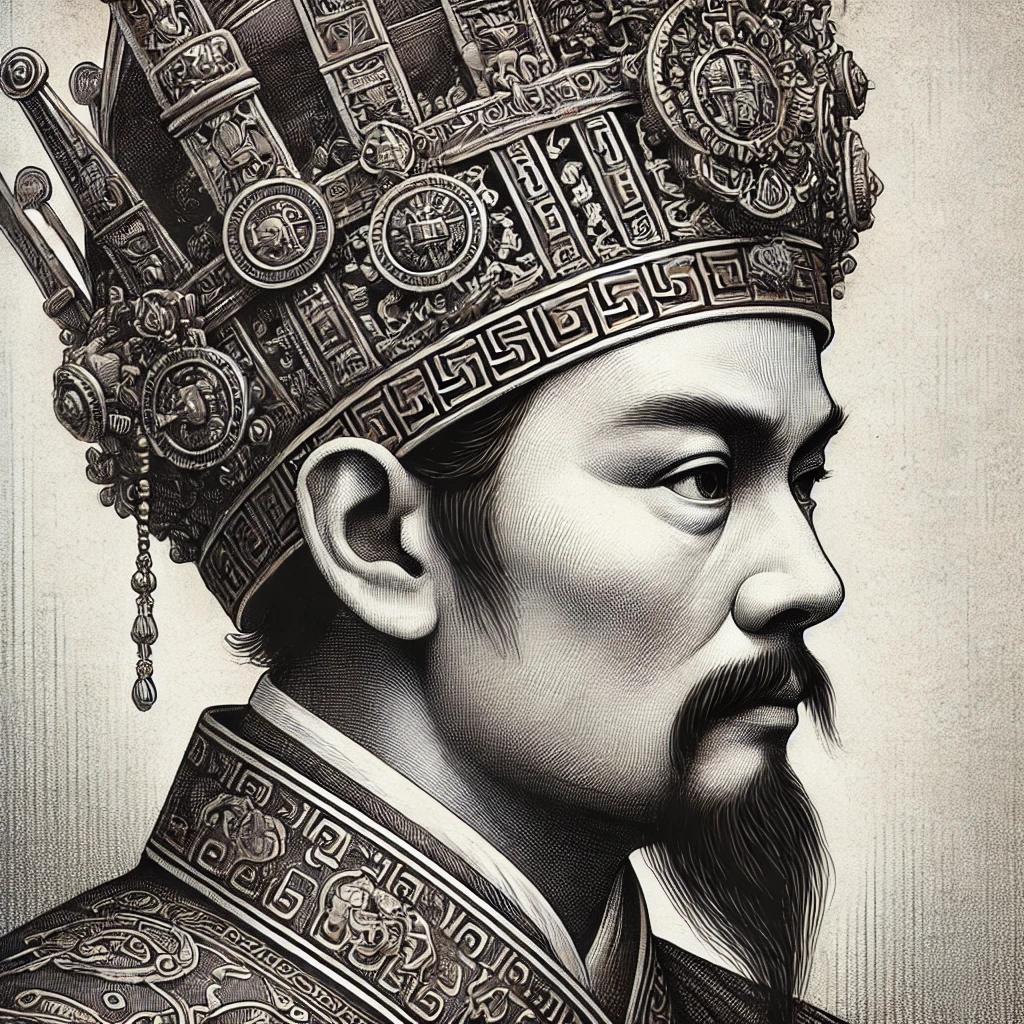
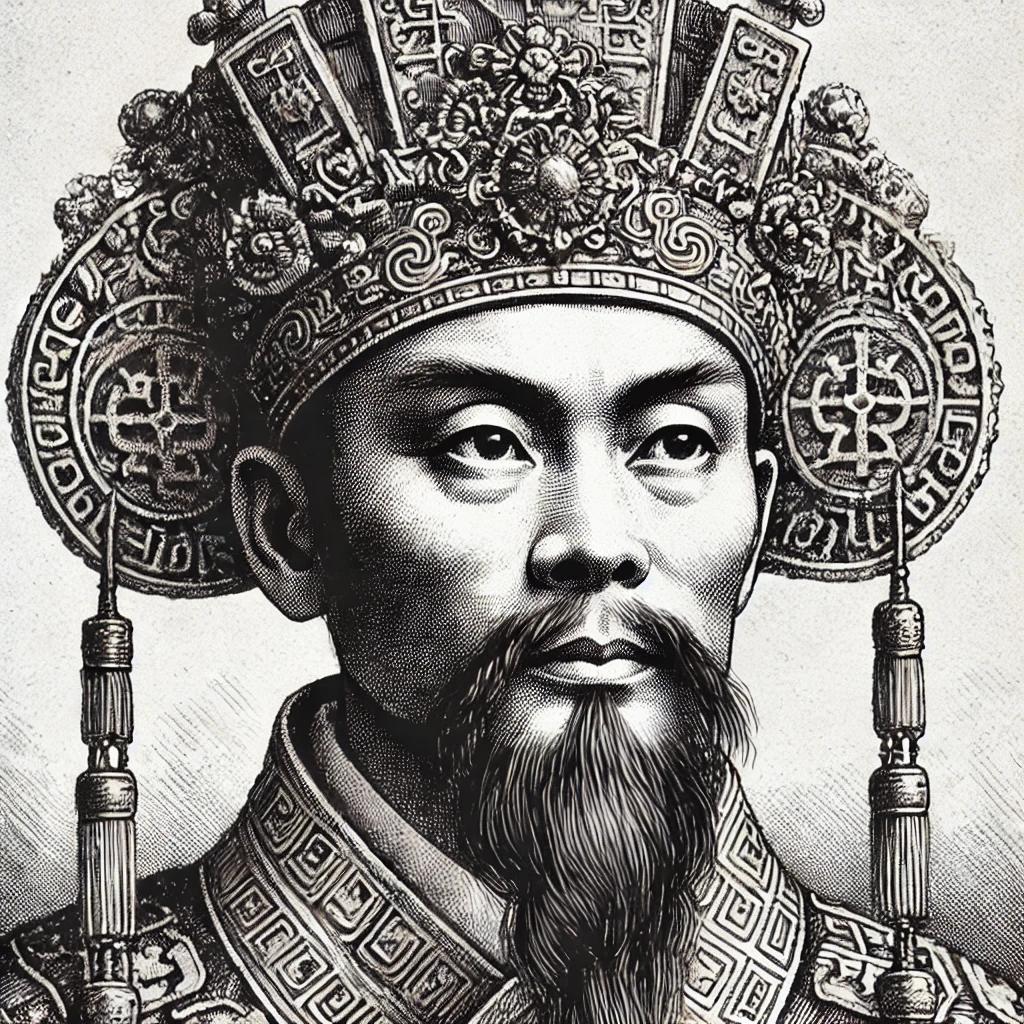
Vietnam’s Nguyễn Dynasty’s longest-reigning emperor, Tu Duc (1829–1883), ruled from 1847 until 1883. Tu Duc’s reign was marked by major challenges including internal rebellions administrative reforms conflicts within the feudal system and the rise of French colonialism. Although he embraced traditional Confucian governance, his inability to resist French expansionist policies has led some historians to regard him as a weak administrator.
Tu Duc was born as Nguyễn Phúc Hồng Nhậm the second son of Thiệu Trị. While his elder brother Hồng Bảo was expected to succeed their father upon his death in 1847 his own selection instead caused unrest within the dynasty opening deep divisions and intrigues within the royal family.
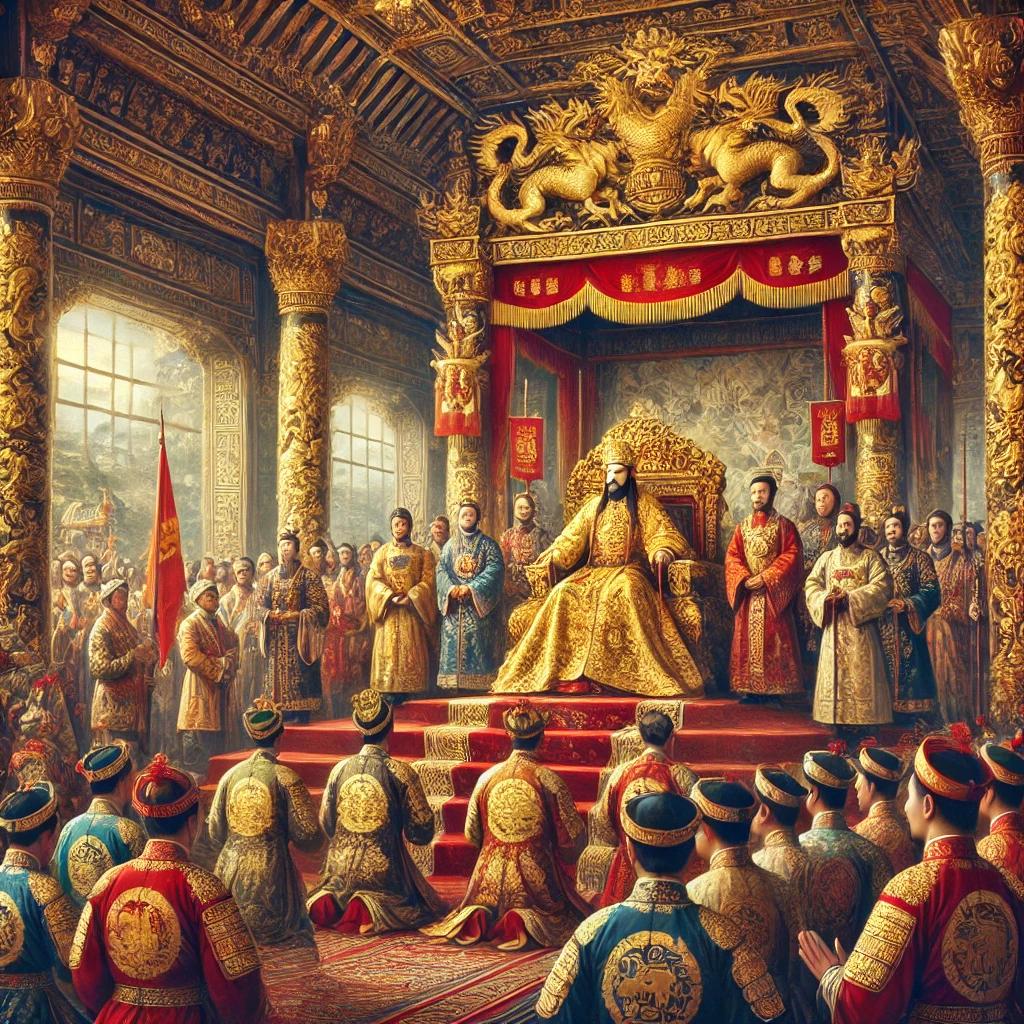
Designed with the aid of artificial intelligence.
Tu Duc’s accession to the throne began his reign with a major internal crisis. Hồng Bảo and his supporters conspired to seize the throne believing they could depose Tu Duc. However the attempt failed and Tu Duc suppressed the rebellion by imprisoning his brother. Hồng Bảo’s death remains disputed; some sources claim he committed suicide in prison while others allege he was secretly executed on Tu Duc’s orders.
Tu Duc was an emperor who exhibited strict adherence to Confucian values. He placed great emphasis on education and bureaucracy particularly by expanding the civil service examinations to produce more officials from the Nghe An and Ha Tinh regions. However his reluctance to pursue administrative reforms contributed to Vietnam’s stagnation during its modernization process.
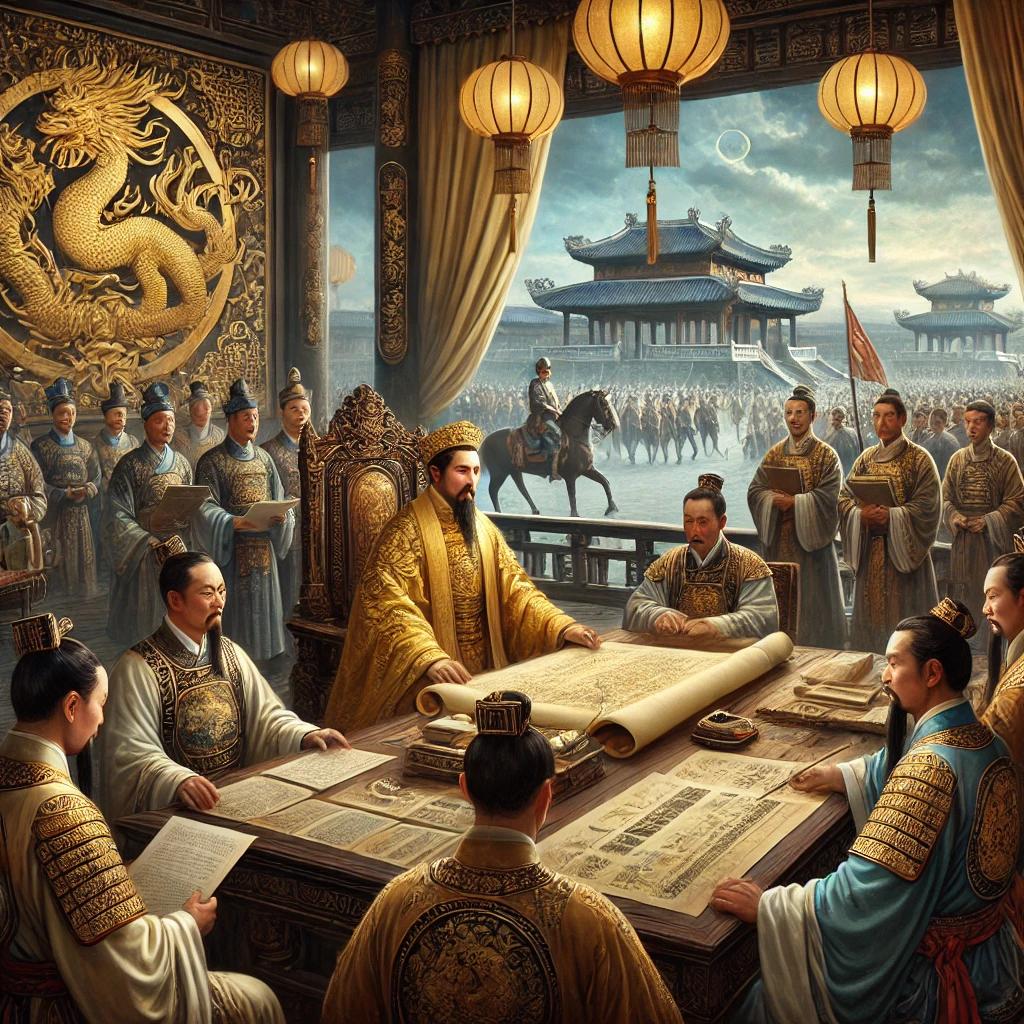
Designed with the aid of artificial intelligence.
During Tu Duc’s rule dissatisfaction among peasants and rural elites grew steadily. High taxes forced labor corvée and corruption within the bureaucracy led the populace to stage large protests and uprisings against the government. The government’s struggle to manage internal problems left the country with a weak central administration.
Throughout his reign Tu Duc enforced harsh policies against Christian missionaries and local Catholics. The Nguyễn Dynasty viewed Christian missionaries and indigenous Catholics as threats to the traditional Confucian order and persecuted them accordingly.
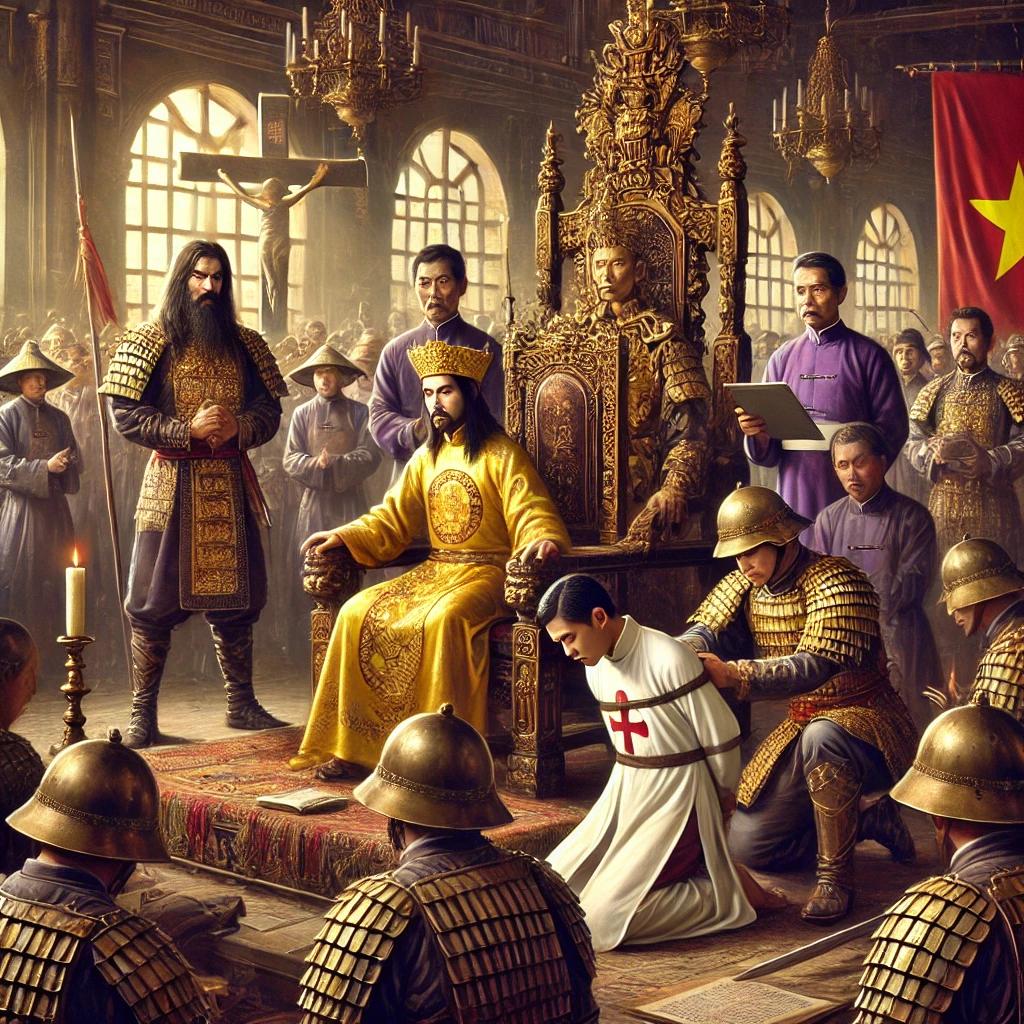
Designed with the aid of artificial intelligence.
These persecutions provided France with a pretext for military intervention in Vietnam and ultimately paved the way for its occupation of the country.
Tu Duc’s greatest foreign policy challenge was the encroachment of French colonialism into Vietnam. In 1858 France attacked the port of Da Nang with Spanish support. At this point it became clear that France’s primary objective was to gain territorial control under the pretext of protecting Christian missionaries in Vietnam.
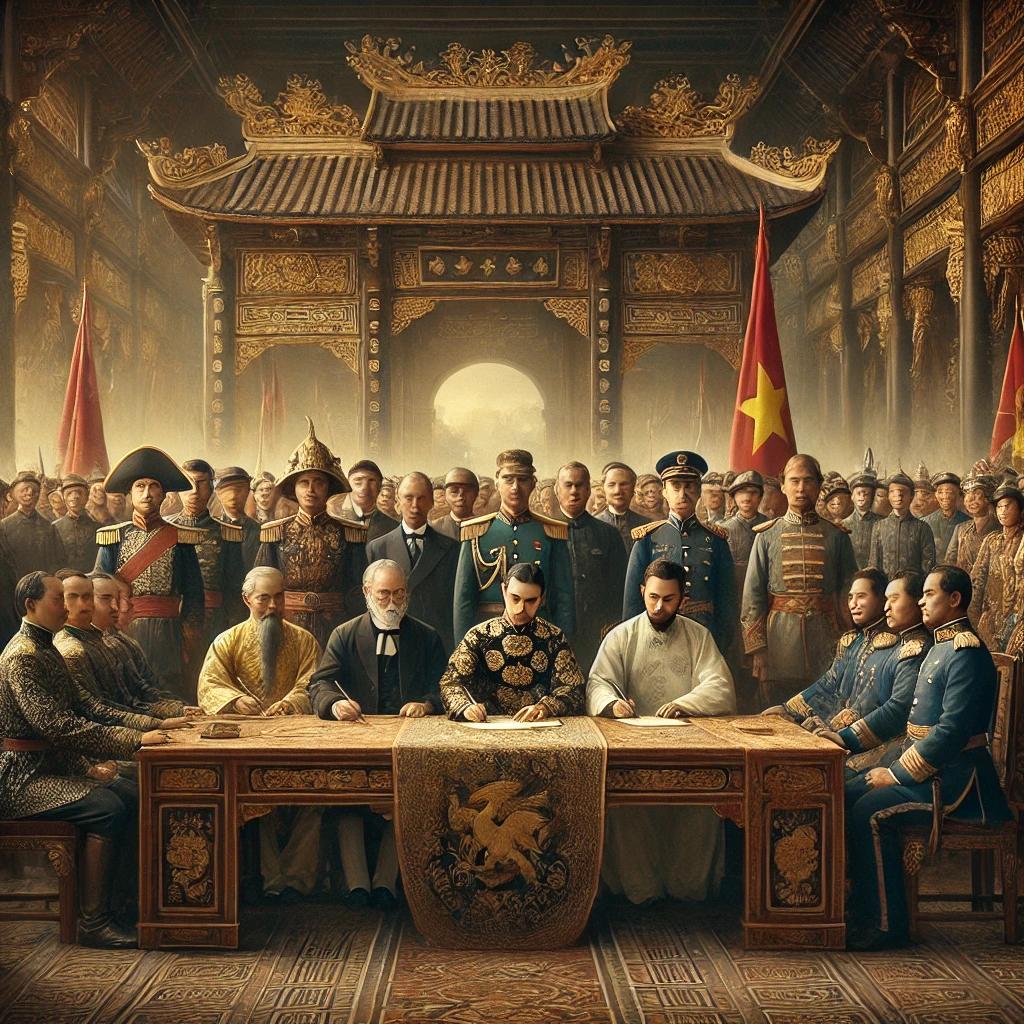
Designed with the aid of artificial intelligence.
Although Tu Duc initially resisted the French forces he was forced to retreat due to the weakness of his army and inadequate weaponry. The 1862 Treaty of Saigon compelled Vietnam to cede the southern regions known as Cochinchina to France. This loss generated widespread discontent within the court and intensified dissatisfaction with Tu Duc.
The expansion of French presence in the south triggered rebellions in northern and inland regions of Vietnam. The 1854–1855 rebellion led by Cao Bá Quát posed a major threat to the emperor. At the same time Confucian scholars and civil officials who opposed the treaties with France began questioning the legitimacy of the government.
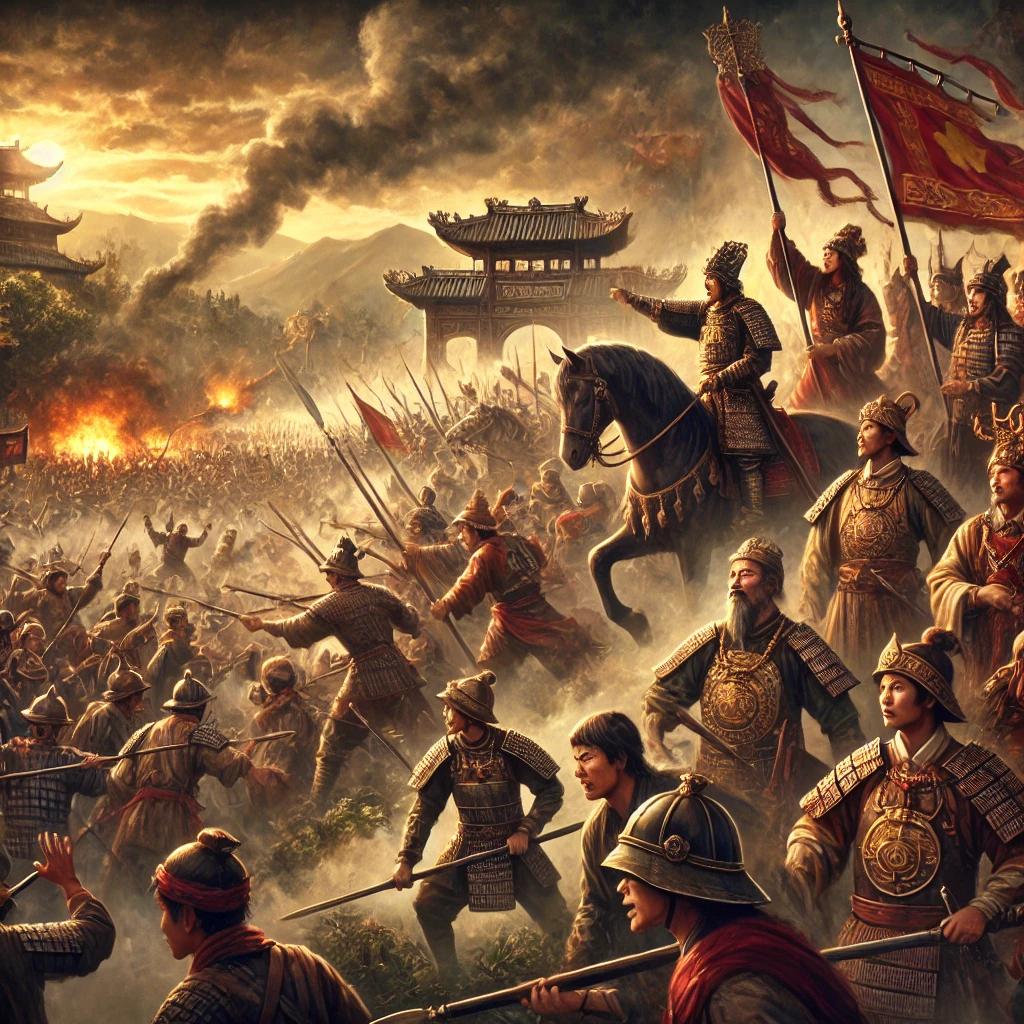
Designed with the aid of artificial intelligence.
Tu Duc’s authoritarian governance failed to suppress these rebellions. To maintain his authority he executed or exiled several loyal former officials. However such punishments further eroded public support.
French influence in Vietnam intensified with the attack on Hanoi in 1873. During this period Tu Duc attempted to use diplomacy to prevent France from seizing northern Vietnam but after the signing of the Patenôtre Treaty in 1884 Vietnam officially became a French protectorate.
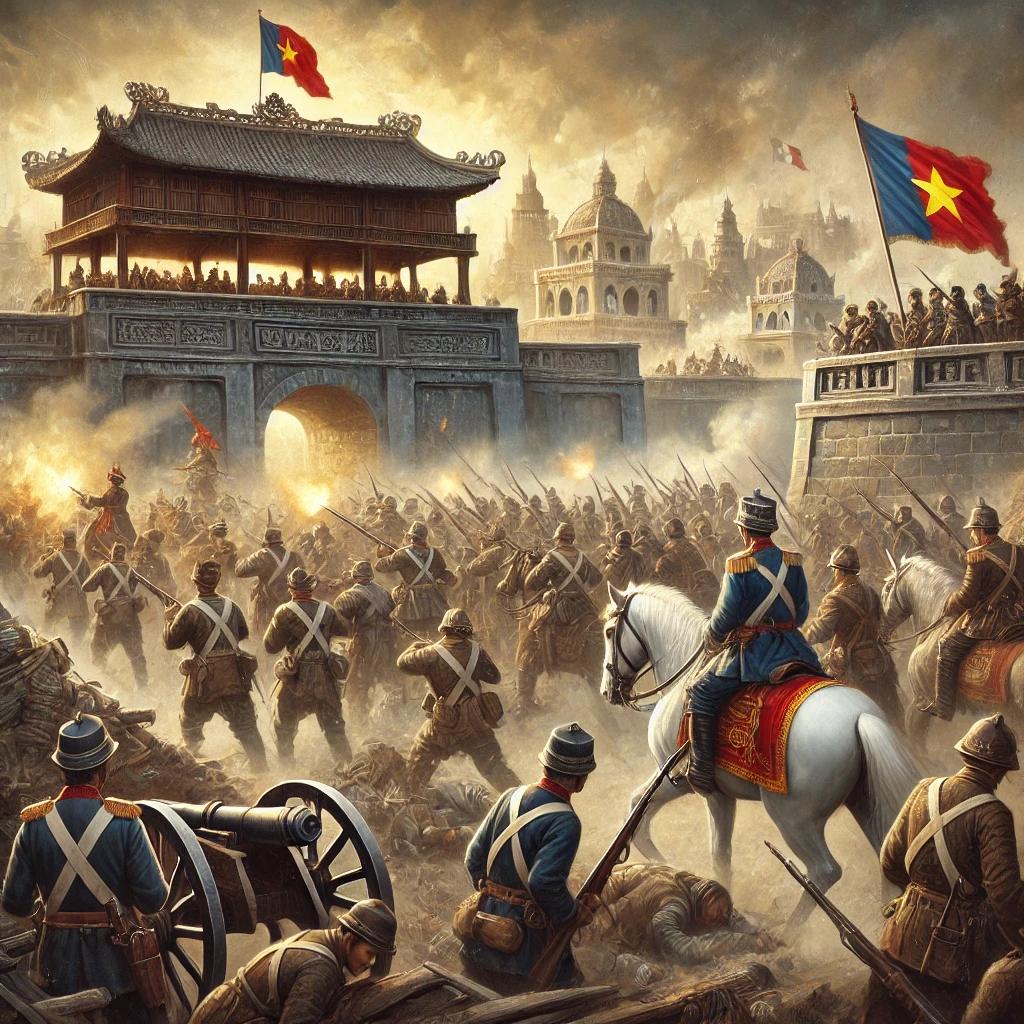
Designed with the aid of artificial intelligence.
Tu Duc faced heavy criticism for failing to prevent France from taking full control of the country. His imperial authority became increasingly symbolic and Vietnam’s de facto independence came to an end.
Tu Duc suffered from serious health problems throughout his reign particularly tuberculosis and sexual ailments which prevented him from having children. This situation triggered a major succession crisis within the dynasty. Before his death he adopted three nephews but none of them remained on the throne for long. After his death in 1883 the Nguyễn Dynasty rapidly lost power and Vietnam fell entirely under French control.
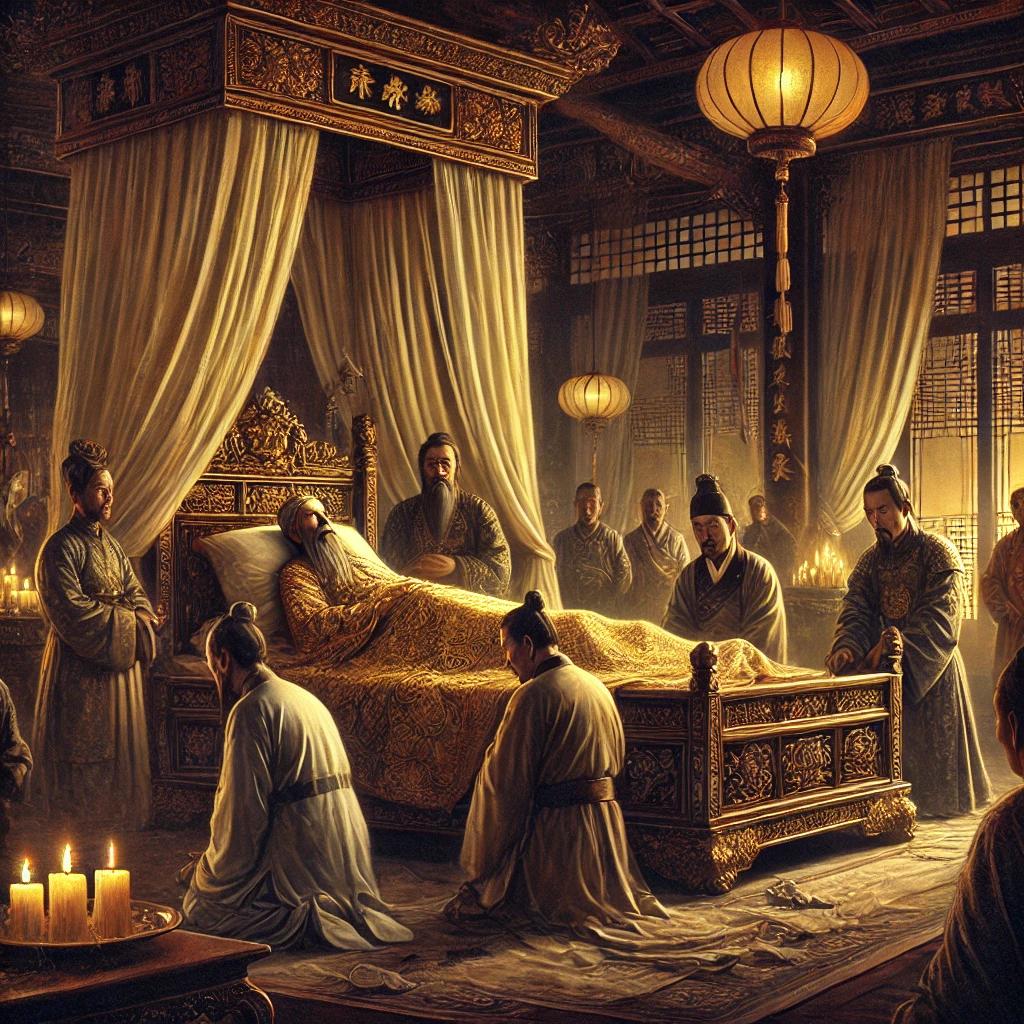
Designed with the aid of artificial intelligence.
Tu Duc’s most significant physical legacy is his monumental tomb in Huế. This grand complex is regarded as one of the most elegant imperial tombs in Vietnam. However it is also widely rumored among the public that the tomb is cursed due to the forced labor used in its construction.

Designed with the aid of artificial intelligence.
Historians evaluate Tu Duc’s legacy controversially. On one hand his patronage of the arts and literature and his efforts to preserve traditional Vietnamese culture are viewed positively. On the other hand his neglect of modernization and military reform is blamed for Vietnam’s vulnerability to France.
Tu Duc is remembered in history as one of Vietnam’s last independent emperors. His diplomatic resistance against France is seen by many Vietnamese as a tragic failure. Yet historical records clearly show that his reign contributed significantly to the development of Vietnamese culture and literature.
Hiep, Tran Xuan, Tran Dinh Hung, Nguyen Tuan Binh, Nguyen Anh Chuong, and Tran Thai Bao. *Another View of the “Closed-door Policy” of the Nguyen Dynasty (Vietnam) with Western Countries (1802–1858).* Cogent Arts & Humanities 8, no. 1 (2021). Erişim Adresi.
Keith, Charles. Catholic Vietnam: A Church from Empire to Nation. Berkeley: University of California Press, 2012.
Kinugawa, Takao, and Takako Sakai. "Guest Sessions on Japanese Language Teacher In-service Training of the Gyeonggi-do Institute for Foreign Language Education: The Case of Training Course at the International Student Center of Tsukuba University, 2005." Tsukuba University International Student Center Journal of Japanese Language Education 22 (2007): 91-106.
McLeod, Mark W. "Nguyen Truong To: A Catholic Reformer at Emperor Tu-Duc's Court." *Journal of Southeast Asian Studies* 25, no. 2 (September 1994): 313-330. Cambridge University Press on behalf of the Department of History, National University of Singapore. https://www.jstor.org/stable/20071660.
McLeod, Mark W. The Vietnamese Response to French Intervention, 1862-1874. New York: Praeger Publishers, 1991.
Taylor, K. W. A History of the Vietnamese. Cambridge: Cambridge University Press, 2013.

Henüz Tartışma Girilmemiştir
"Tự Đức (Nguyễn Phúc Hồng Nhậm)" maddesi için tartışma başlatın
Early Life and Ascension to the Throne
Domestic Policy and Reform Efforts
Tu Duc and Anti-Christian Policies
First Encounters with the French and the 1862 Treaty of Saigon
Internal Rebellions and Governance Challenges
French Occupation of the North and Final Agreements
Health Issues Tuberculosis and a Childless Death
Legacy and Funerary Complex