


Bu içerik Türkçe olarak yazılmış olup yapay zeka ile otomatik olarak İngilizceye çevrilmiştir.
+2 Daha
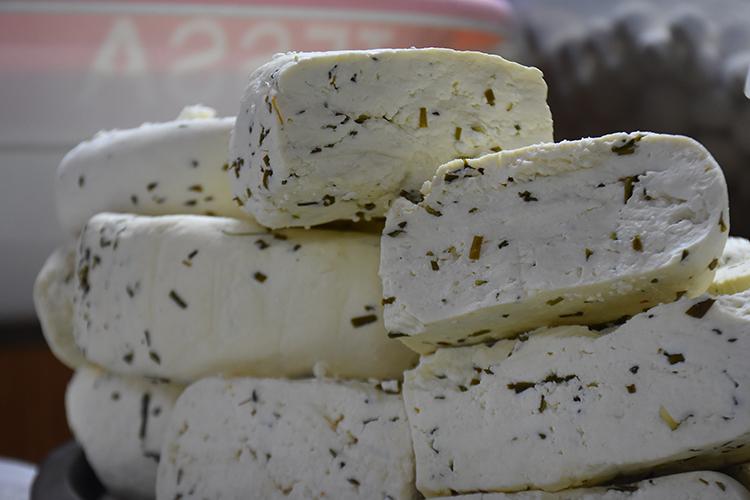
Van Herb Cheese is a medium-hard, salty cheese made from sheep’s milk, primarily, or from goat’s or cow’s milk, or a mixture thereof, enriched with aromatic herbs native to the region. It has been officially registered by the Turkish Patent and Trademark Office under the designation “Geographical Indication” and may be produced only in the provinces of Van and Hakkâri.

Van Herb Cheese (AA)
Van Herb Cheese is a medium-hard, salty product with a color ranging from white to yellowish, produced by incorporating approximately twenty different types of herbs. The aromas of sirmo (Allium schoenoprasum L.) and oregano are particularly prominent. The type and proportion of herbs used in production influence the flavor, aroma, and appearance; the herb content must not exceed 2% of the cheese’s total weight.

Van Herb Cheese (AA)
Essential regional herbs—such as sirmo, heliz, mendo, oregano, and siyabo—as well as optional herbs—such as watercress, çöven, and basil—are collected in spring, washed, chopped, and subjected to brining. The brining solution is prepared with specific pH, salt, and acidity levels.
Raw sheep’s milk is preferred, but goat’s or cow’s milk may also be used. The milk must contain no additives and must retain its natural composition.
Either commercial liquid starter culture or traditional şirden culture may be used. Locally prepared cultures are often enriched with spices such as black pepper, ginger, and clove.
A special curd added between layers before the cheese is molded. It is produced by boiling, straining, and salting yogurt-fermented milk. The herb content in cacık is approximately 6%.
Only salt compliant with the Turkish Food Codex is used, with a salt concentration of 18–21% in the brine solution.
Van Herb Cheese may be produced only in the provinces of Van and Hakkâri. The geographical boundary encompasses the region’s unique plant diversity, milk production methods, and traditional production knowledge.

Henüz Tartışma Girilmemiştir
"Van Herbed Cheese" maddesi için tartışma başlatın
Product Description and Distinctive Characteristics
Physical Characteristics:
Chemical Characteristics (average values):
Production Method
1. Herb Preparation:
2. Milk:
3. Starter Culture:
4. Cacık (Curds):
5. Salt:
6. Production Methods:
Geographical Boundary and Regulation