




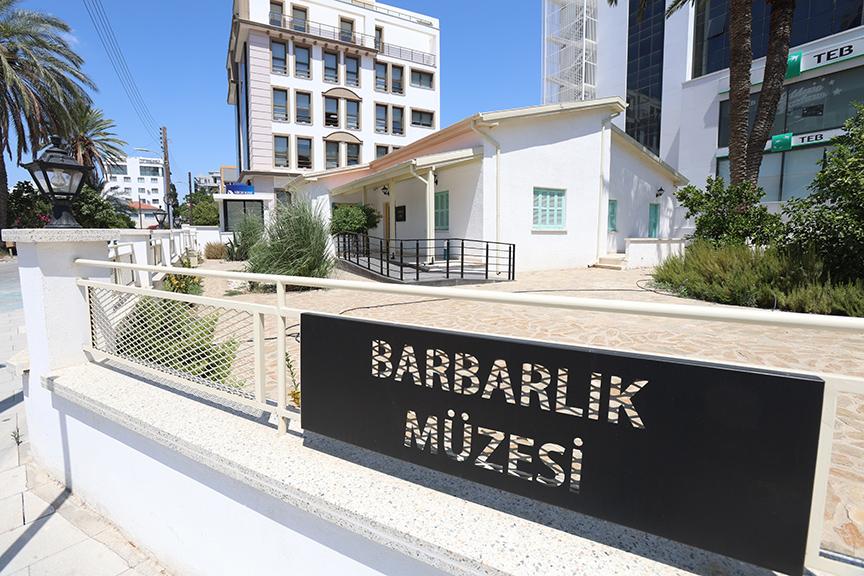
Museum of Barbarism
The Museum of Barbarity, located in Lefkoşa, the capital of the Turkish Republic of Northern Cyprus (TRNC), is a vital memory space that conveys the most significant events of the island’s recent history to the present day. This historic building, situated in the Kumsal neighborhood, was specifically preserved and converted into a museum to ensure that the hardships of the past are not forgotten, lessons are drawn from history, and the importance of peace is passed on to future generations.
Location of the Museum and Historical Context
The Museum of Barbarity is located in the Kumsal region of Lefkoşa and reflects the typical single-story, garden-style Cypriot house architecture of the 1960s. This house is one of the most recognized symbols of the difficulties faced by Turkish Cypriots during the events that began on 21 December 1963 and are known in history as the Bloody Christmas.
At the time, Captain Doctor Nihat İlhan, who served as a military physician in the Cyprus Turkish Forces Regiment, lived in this house with his family. While Captain İlhan worked at the hospital treating the wounded, his family remained at home. During the events of the night of 24 December 1963 in the Kumsal area, this house suffered severe damage and the family inside lost their lives.
Preservation and Conversion into a Museum
Immediately after this tragic event, the furnishings inside the house and the overall condition of the structure were preserved as they were. On 1 January 1966, the house was officially granted museum status and opened to the public to keep alive the memory of these events and to demonstrate to the world how vital peace is. Memory museums prevent the covering up of past events. This house is not merely a building with walls; it serves as a living document that teaches visitors empathy, the culture of coexistence, and historical awareness.
What Is Exhibited in the Museum Rooms?
The museum rooms are arranged to present the conditions of the era to visitors in the most transparent manner possible. The furnishings inside the house provide a concrete understanding of daily life in the 1960s and what people experienced in the face of sudden historical events.
Historical photographs taken during that period, important official documents, and newspaper clippings from international publications are displayed in the rooms and corridors. Additionally, personal belongings, clothing, and toys belonging to Captain Nihat İlhan’s family are preserved behind glass partitions. These objects transform history from mere information read in books into a visible, tangible reality.
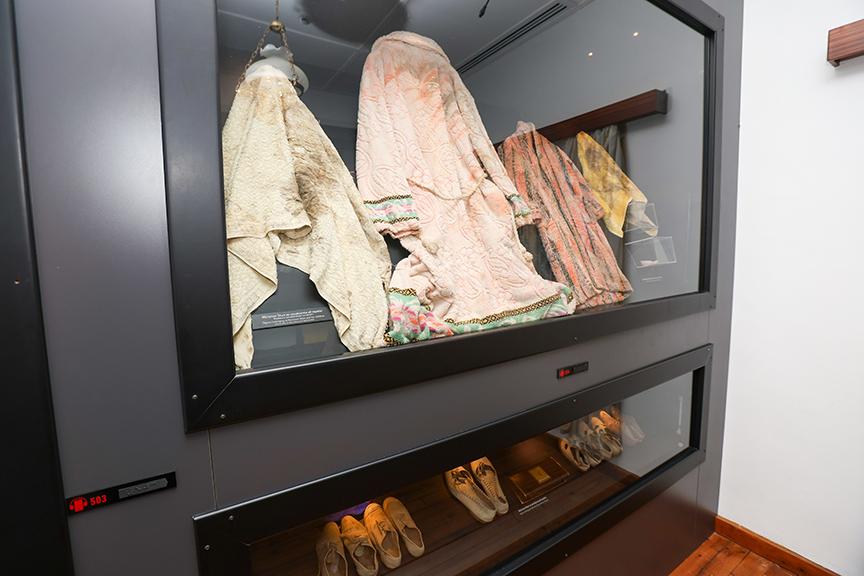
Artifacts Exhibited at the Museum of Barbarity(Anadolu Ajansı)
Comprehensive Restoration by TİKA
The museum building, which had stood for more than half a century since its opening and had deteriorated over time due to various factors, underwent extensive restoration by the Turkish Cooperation and Coordination Agency (TİKA). This restoration, carried out with full fidelity to the original structure, strengthened the building’s foundation, load-bearing columns, roof, and weakened walls using engineering methods. During the restoration, not only physical repairs were made, but also contemporary museum standards were integrated into the building. Exhibition areas were equipped with modern lighting, and special display cases were installed to protect artifacts from moisture and light damage.
Digitalization and Modern Museum Practices
As a result of the renovation, digital technologies and new information displays were added to the museum. Detailed multilingual information panels on the walls enable visitors from around the world to learn academically how this period in history began. Designed according to modern museum principles, this new structure allows students and researchers to examine the development of events through visual materials in a far more memorable way.
A Journey Through Time
The year 1963, when the events recounted by the museum took place, was a time when television broadcasts were extremely limited and the internet did not exist. During those years, the events in Cyprus were communicated to the world only through a limited number of cameras, international journalists who could reach the island, and letters exchanged between people.