
KURE Kids Header Line
article-image
badge icon

This content was originally written in Turkish for children and is automatically translated into English using artificial intelligence.

Seismology

Last Updated: 01.12.2025

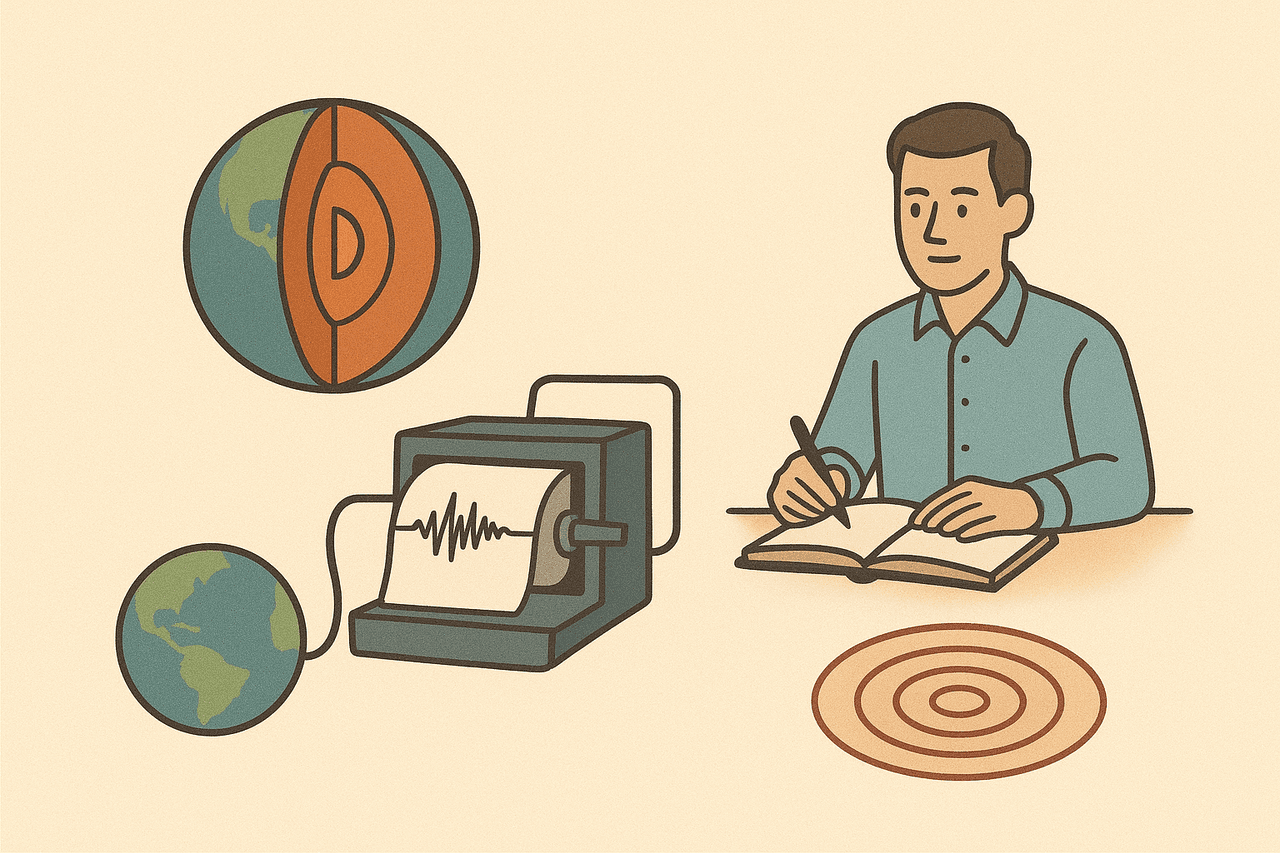
Seismology is the scientific discipline that studies earthquakes and the vibrations they generate on the Earth's surface. Vibrations caused by fractures in the Earth's crust propagate in the form of waves. Seismology is used to understand how these waves move, which regions they affect, and what they reveal about the Earth's internal structure.
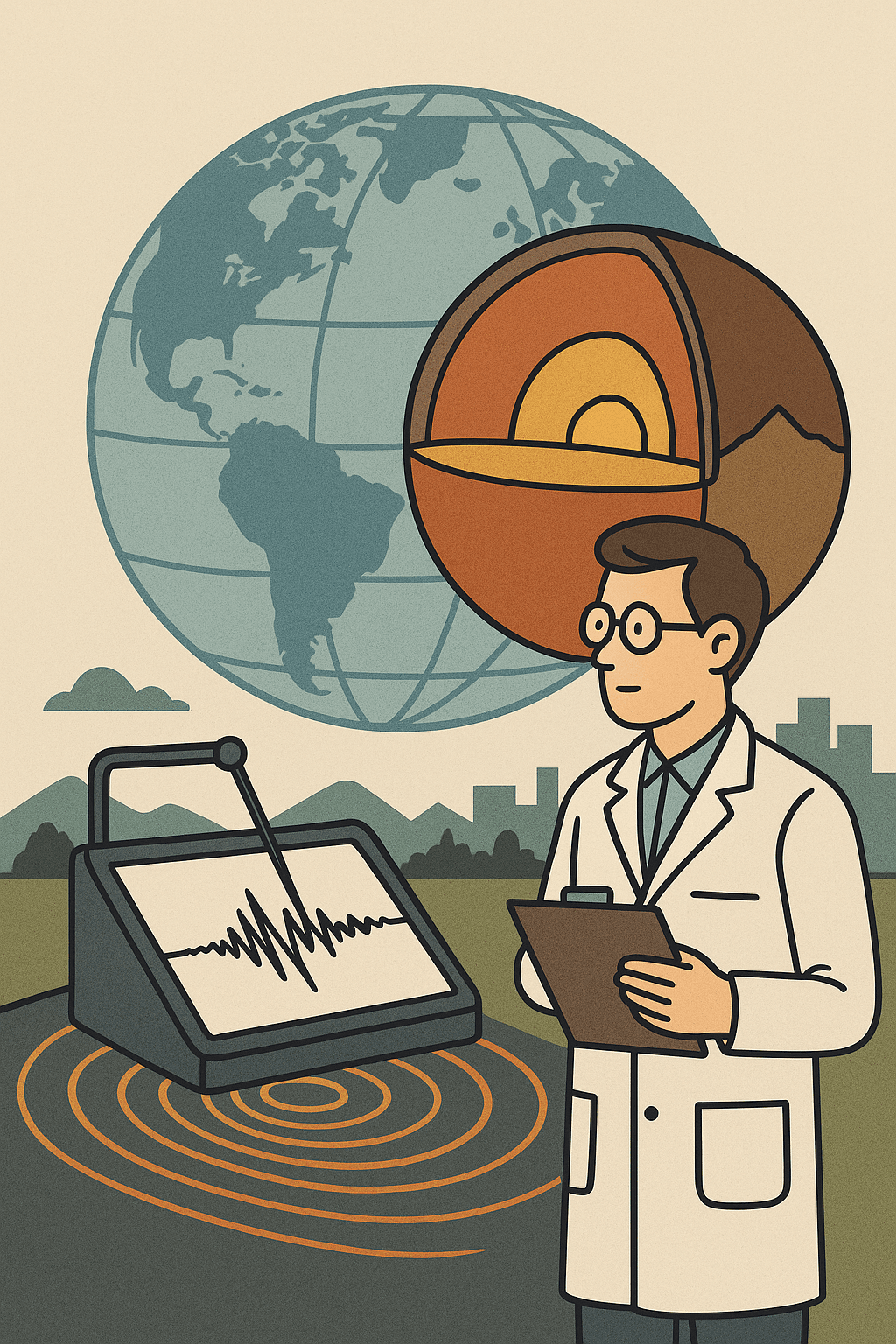
(Generated by artificial intelligence.)

What Do Seismologists Do?

Seismologists are scientists who study earthquakes and seismic waves. Their work enables the identification of an earthquake’s source, magnitude, and effects. Some seismologists contribute to the construction of safer buildings by identifying areas with high earthquake risk. They may also assist in oil and natural gas exploration by examining subsurface structures.
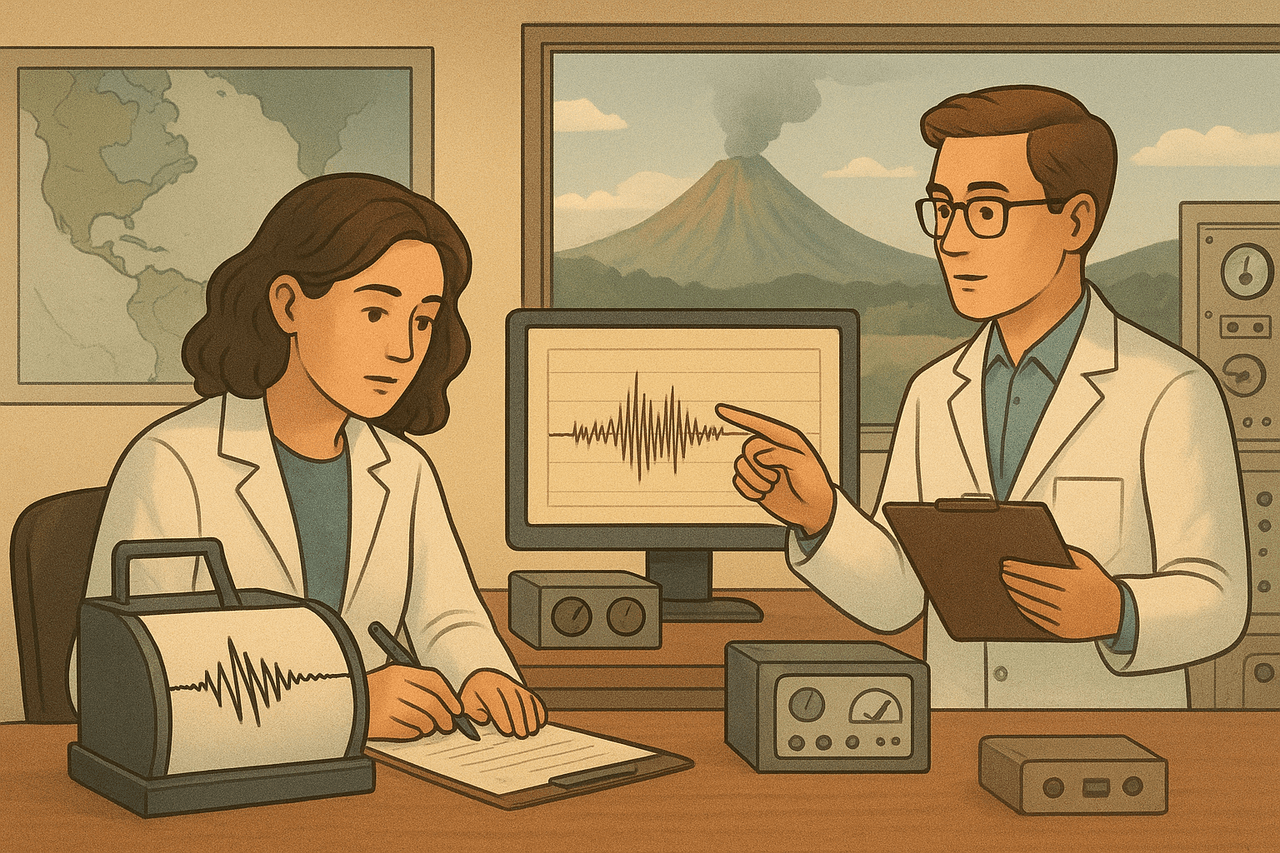
(Generated by artificial intelligence.)

Instruments Used in Seismology

The most important tools of seismologists are instruments called seismographs or seismometers. These devices can record even the smallest ground vibrations. In the past, vibrations were recorded on paper, but today measurements are made with far greater precision and detail using computers. After major earthquakes, seismologists travel to affected areas with portable equipment to collect additional data.

The Importance of Seismology

Seismology is important not only for understanding earthquakes but also for protecting human life. It enables the identification of hazardous areas, the design of more resilient buildings, and efforts to minimize potential damage. Moreover, seismology helps us understand the Earth’s internal structure. This allows scientists to better comprehend natural processes and contribute to preparing communities for natural disasters.
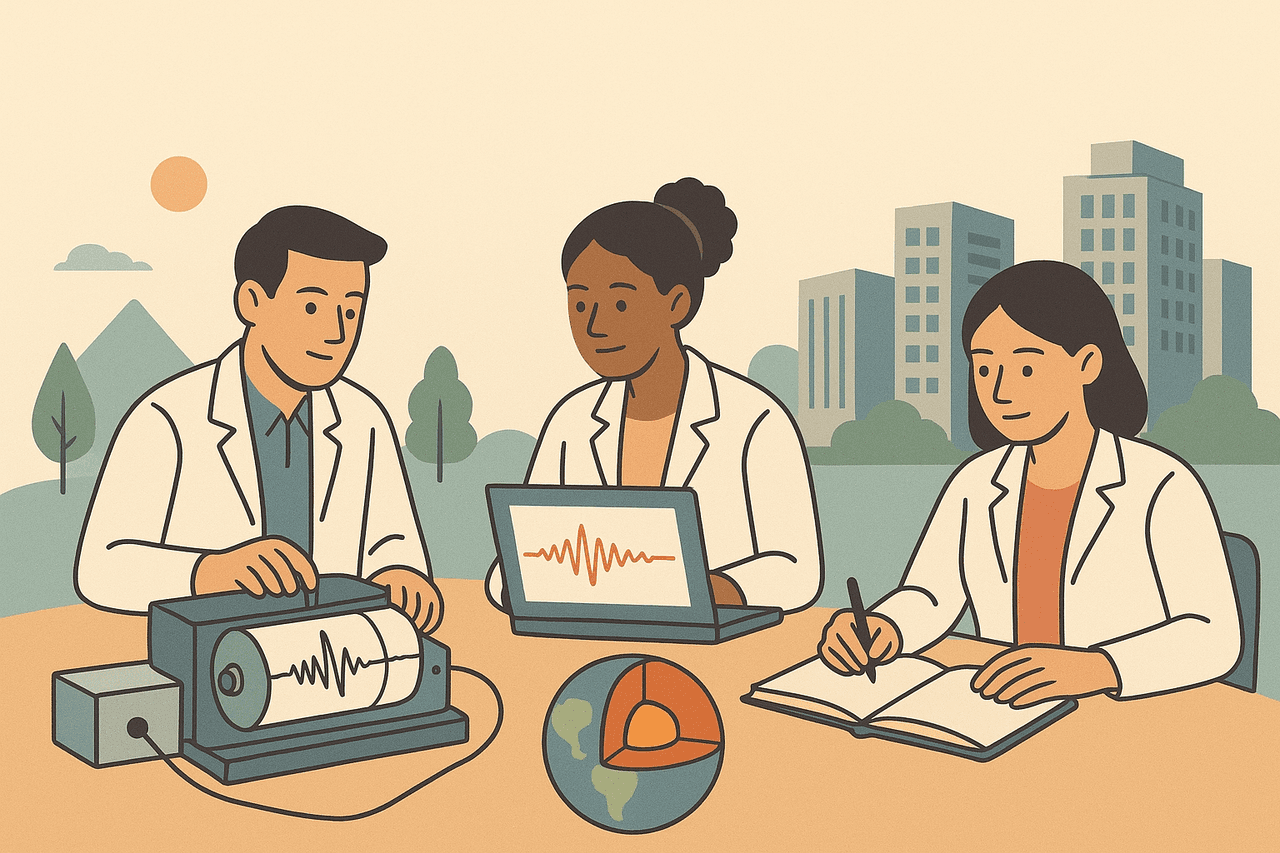
(Generated by artificial intelligence.)

Don't Forget to Look at These!
🌍 Nature And Environment
cat img
🏛 History And Culture
cat img
🎨 Art And Literature
cat img
image
Most Read
Pasifik Okyanus
arrow
image
Last Added
Elektrik Tellerine Konan Kuşlar
arrow
ilham-notu-bg
INSPIRATION NOTE FOR CURIOUS KIDS!

Would you like to hear how the heart of the Earth beats one day? That’s exactly what seismologists do! They explore the invisible depths simply by listening to the sounds of waves.

Who Wrote?
Kids Writing
AuthorSude KöktenDecember 1, 2025
bottom-bg-effect-bottom
bottom-bg-effect-top

Seismology is the scientific discipline that studies earthquakes and disturbances in the Earth's crust. Seismologists investigate the origin, magnitude, and effects of earthquakes. They measure and analyze ground movements using instruments such as seismographs and seismometers. Through these studies, hazardous areas are identified, buildings are designed more safely, and potential damage is reduced. Moreover, seismology contributes to our understanding of the natural world and helps prepare communities for disasters by providing insights into the internal structure of the Earth.

Bibliographies


Accessed November 26, 2025.

Afet ve Acil Durum Yönetimi Başkanlığı (AFAD). "Deprem Nedir?" Accessed August 17, 2025.

Buğdaycı, İlhami. "Depremin Dili: Sismoloji." TÜBİTAK Bilim ve Teknik, no. 382 (September 1999): pp. 26–29. Accessed August 17, 2025.

Michigan Technological University. "Seismology: The Study of Earthquakes and Seismic Waves." Accessed August 17, 2025.

Natural Resources Canada – Earthquakes Canada. "What is a Seismologist?" Accessed August 17, 2025.

ilham-notu-bg
ilham-notu-bg
ilham-notu-bg
HEYY!
Did You Know?
These?
Lamb
Lamb
Ask to Küre