



Toprakkale (Van)
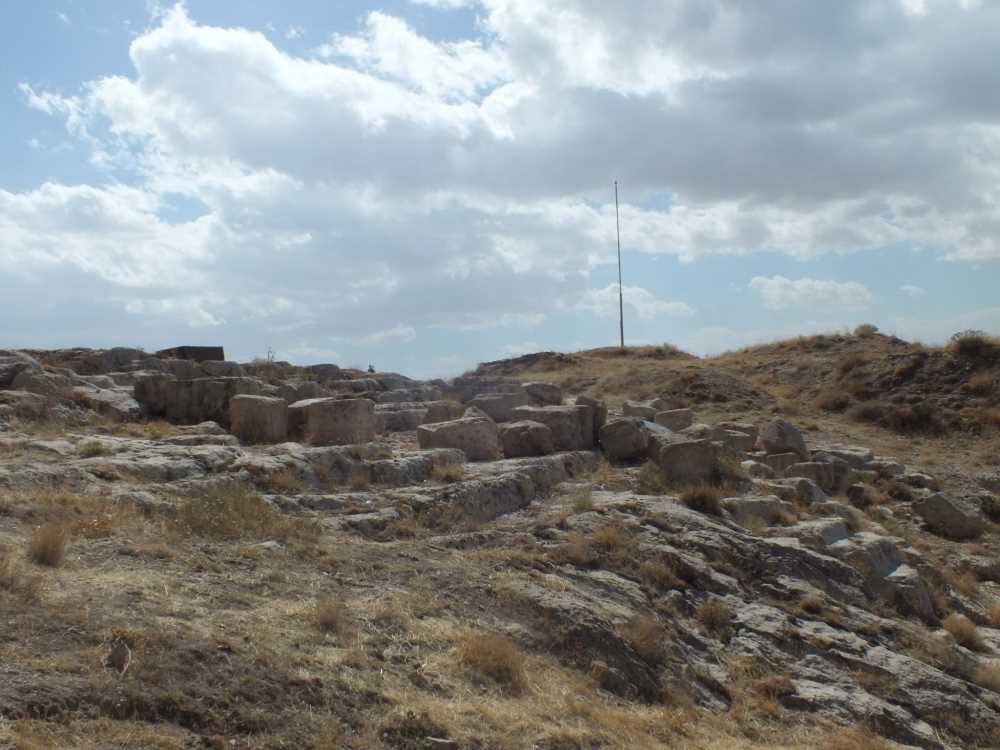
Toprakkale is an ancient settlement built on a rocky hill in the northeast of Van Province. This area belonged to the Urartians, who established a powerful kingdom in the region between the 9th and 7th centuries BCE. The capital of the Urartian Kingdom was Van Kalesi (Tushpa), but Toprakkale was also one of the kingdom’s major centers.
Toprakkale (Kültür Portal)
Who Built It and What Does the Name Mean?
Toprakkale was built by the Urartian king Rusa II (reigned 685–645 BCE). For this reason, the fortress was named Rusahinili, meaning “the city founded by Rusa” in the Urartian language. It also served as the second capital of the Urartian Kingdom.
Features of the Fortress
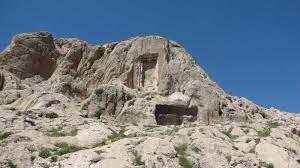
Toprakkale was constructed along a long and elevated rocky ridge running in a north-south direction. Its location provided control over the Van Plain. Fortresses like this were typically administrative centers containing palaces, temples, and various other buildings.
A temple dedicated to the Urartian god Haldi (the chief deity of the Urartian pantheon) has been identified at Toprakkale. Urartian temples are known for their square plans and tower-like structures. Some sections of the fortress contain large storage vessels known as pithoi.
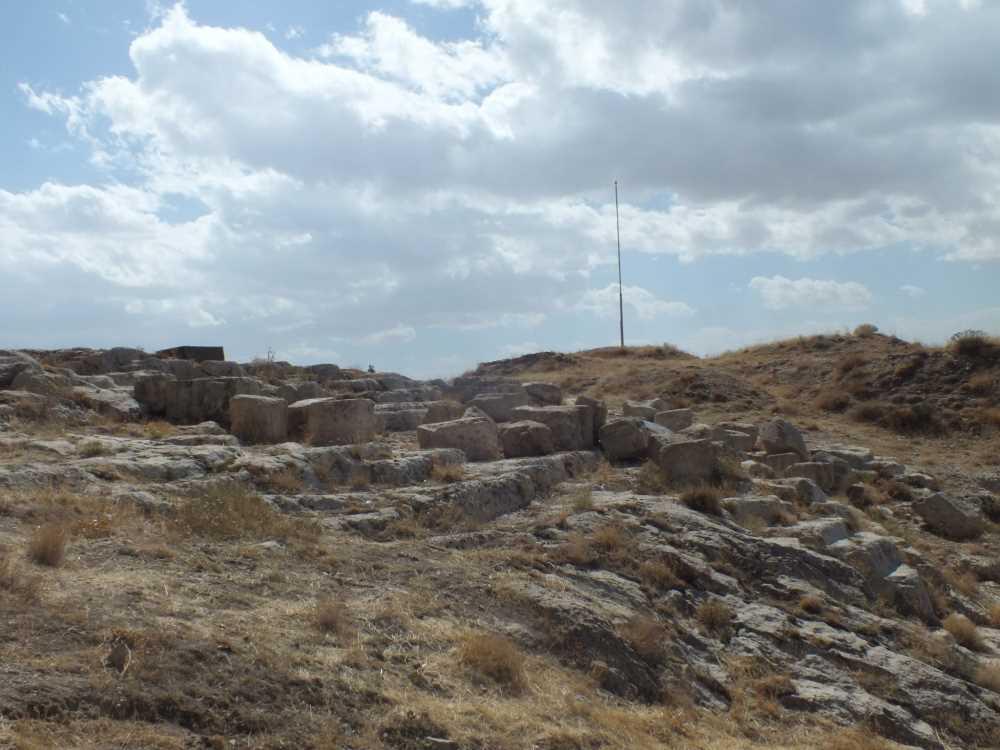
Toprakkale (Kültür Portal)
Why Is It Important?
Toprakkale is not only an example of Urartian architecture but also significant for scientific research. Excavations have uncovered valuable artifacts including bronze throne fragments, votive shields, ivory objects, and clay tablets inscribed with cuneiform script.
Some of these finds are displayed in museums in Britain, Russia, and Germany, while others are exhibited at the Museum of Anatolian Civilizations in Ankara and the Istanbul Archaeology Museums. For example, an altar table dedicated to the god Haldi can be seen at the Istanbul Archaeology Museums.