


This article was automatically translated from the original Turkish version.
Rome... With its stone streets that have defied centuries, ancient ruins emerging at every corner, and an atmosphere that immerses you in the Italian spirit, it is one of the world’s most enchanting cities. Known as the Eternal City, Rome offers a unique stage where history and modern life intertwine. If you are determined to explore Rome, this guide awaits you with detailed itineraries, transportation tips, culinary stops, and must-see attractions.
Direct flights to Rome are operated daily from cities in Türkiye such as Istanbul, Ankara, and Izmir. The city has two main airports:
Rome’s public transportation network is extensive, comprising metro lines, buses, and trams. However, many tourist sites in the city center are within walking distance. You may not need to use public transport at all, unless your accommodation is near Termini Station or you are traveling to the Vatican.
Rome offers a wide range of accommodation options catering to different tastes and budgets. The area where you choose to stay can significantly influence your travel experience. Therefore, understanding the atmosphere and advantages of each neighborhood is essential.
Trastevere is one of Rome’s most charming and authentic neighborhoods. Famous for its colorful narrow streets, cobblestone alleys, and local trattorias, it is an ideal choice for those seeking a warmer, more intimate atmosphere. This lively area is vibrant at night but never overly crowded, making it perfect for couples looking for a romantic Roman experience. Staying in Trastevere allows you to enjoy your morning coffee in a quiet piazza and savor authentic Roman cuisine at local restaurants in the evening.
If you are looking for convenient access to public transportation, the area around Termini Station is a practical choice. Being close to Rome’s main railway station offers great convenience for both city exploration and travel to other destinations. The neighborhood has numerous hotels and hostels, often at prices below the Rome average. However, as the area can feel somewhat quiet and less touristy in the evenings, it is advisable to choose well-reviewed accommodations for safety reasons.
If you wish to wake up in the very heart of Rome’s historic atmosphere, the area around Piazza Navona and the Pantheon is an excellent option. From here, you can walk to many of the city’s key landmarks. Enjoy coffee in front of the Pantheon in the morning and watch the sunset over Piazza Navona in the afternoon. Accommodation here is somewhat more expensive, but the views and atmosphere make it well worth the cost for those seeking to fully experience the soul of Rome.
For those seeking a quieter, more orderly environment, especially interested in religious sites, the Vatican area is a highly appealing alternative. Being within walking distance of St. Peter’s Basilica offers a major advantage for visitors who want to explore museums early in the morning before crowds arrive. The area is quieter than other tourist hubs in Rome and provides clean, safe accommodation options. It is also generally very family-friendly.
Rome is like a living European history book... Every street you walk down reveals structures bearing traces of thousands of years. Although historic sites in Rome are generally within walking distance of each other, you can also reach them via Metro Lines A and B.
One of the first places that comes to mind when Rome is mentioned is undoubtedly the Colosseum. This massive amphitheater, construction of which began in 72 AD under Emperor Vespasian and was completed in 80 AD by his son Titus, showcases the grandeur of Ancient Rome with a capacity of over 50,000 spectators. It once hosted gladiator battles, wild animal hunts, and public spectacles. Despite damage from natural disasters and looting over time, it still stands today. During your visit, you can explore the underground gladiator tunnels and the arena floor. With special tours, you can even ascend to the upper levels for a breathtaking view of Rome and a profound encounter with history. At night, when illuminated, the Colosseum presents a spectacular sight, especially for photography enthusiasts.
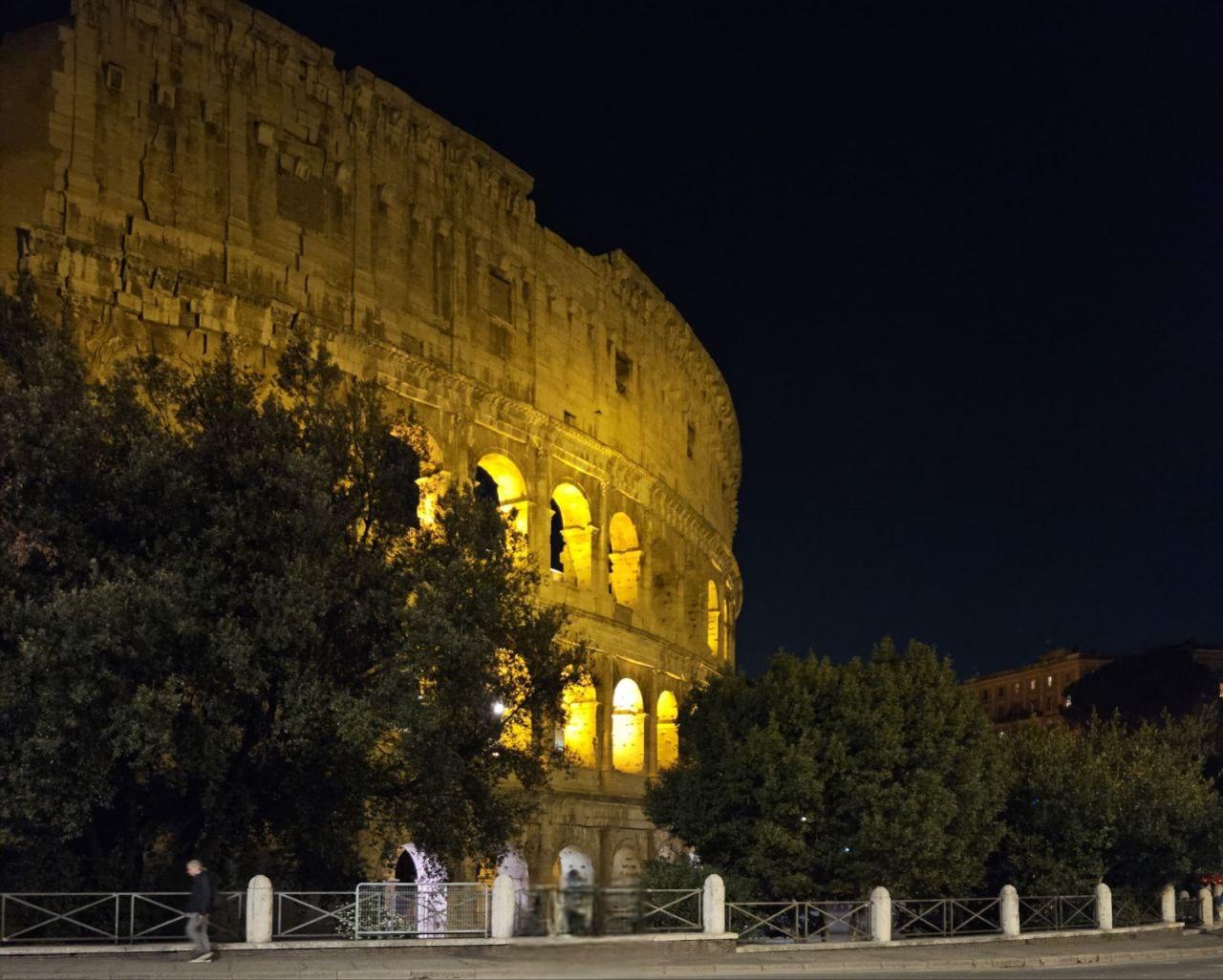
Colosseum. (Photo: Muhammed Ali Demir)
Just east of the Colosseum lies the Roman Forum, the political, commercial, and religious center of Ancient Rome. Senate meetings, triumphal processions, religious ceremonies, and markets all took place on these very grounds. As you walk through the Forum, you can see the ruins of major structures such as the Basilica Julia, the Curia, and the Temple of Saturn, and imagine the daily life of ancient Romans.
Directly above the Forum lies Palatine Hill, the heart of Roman mythology. According to legend, Romulus founded Rome right here. Emperors later built luxurious palaces on this hill. Today, you can explore ruins such as the House of Augustus and feel the grandeur of the past amid lush greenery. The view from the hill over the Roman Forum and Circus Maximus is breathtaking.
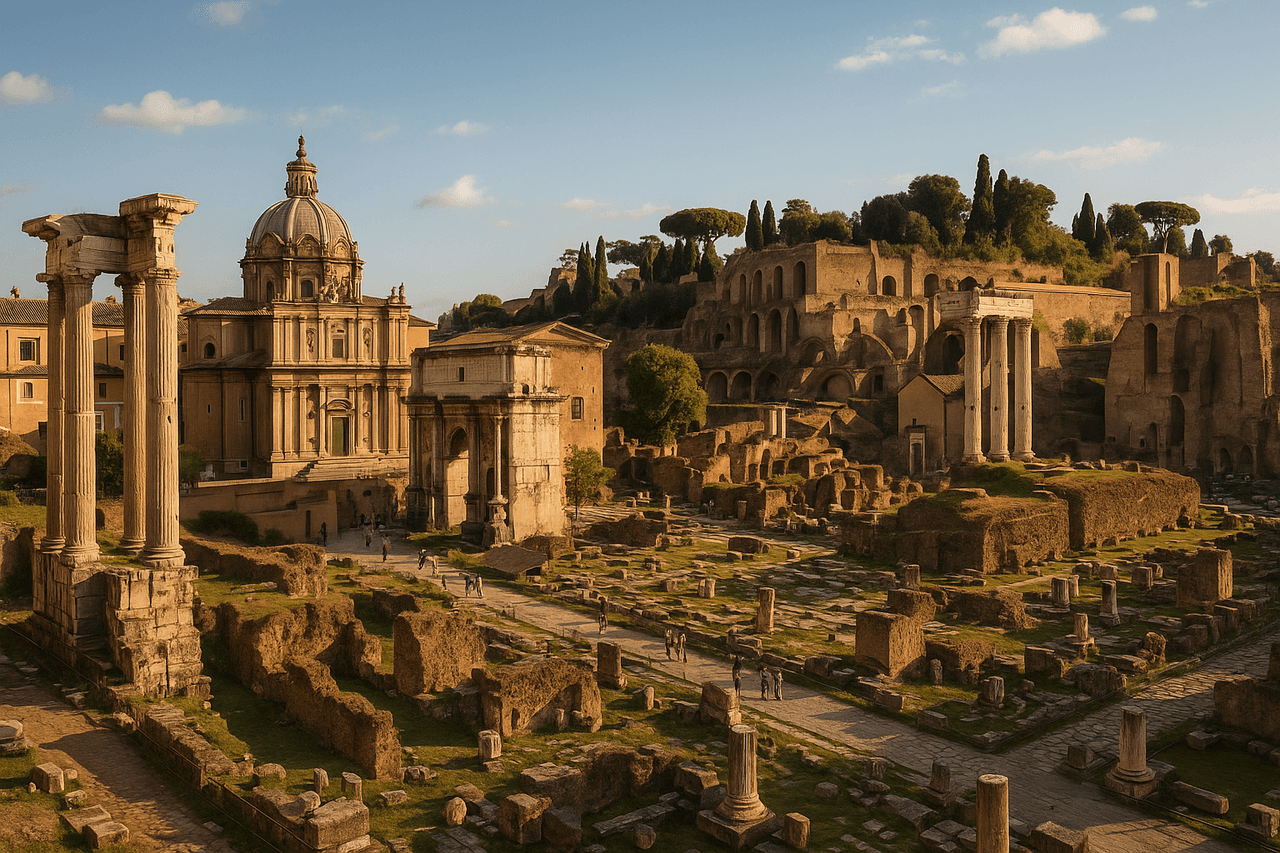
Roman Forum and Palatine Hill. (Generated by artificial intelligence.)
Constructed during the reign of Emperor Hadrian in the 2nd century AD, the Pantheon stands as one of the pinnacles of Roman architecture and engineering. Its perfectly proportioned dome and the central “oculus” (eye) opening are particularly striking. The natural light streaming through this massive opening creates a magical atmosphere inside at every hour of the day.
Although originally built as a pagan temple, the Pantheon is now used as a Catholic church. Inside, you will find the tombs of important figures of Italian art and history, most notably the Renaissance master Raphael. While its exterior appears simple, stepping inside reveals an awe-inspiring blend of simplicity and grandeur.
The Trevi Fountain, one of the most ornate masterpieces of Baroque art, was designed by Nicola Salvi in the 18th century. At its center, Neptune, god of the sea, is depicted alongside two sea horses and water nymphs. The Trevi Fountain is famous not only for its beauty but also for its tradition of making wishes: if you toss a coin over your left shoulder with your right hand, you will return to Rome; two coins mean you will fall in love; three coins mean you will marry. When illuminated at night, the fountain takes on a completely different appearance and offers a serene, enchanting atmosphere, especially during quieter hours after the crowds have thinned.
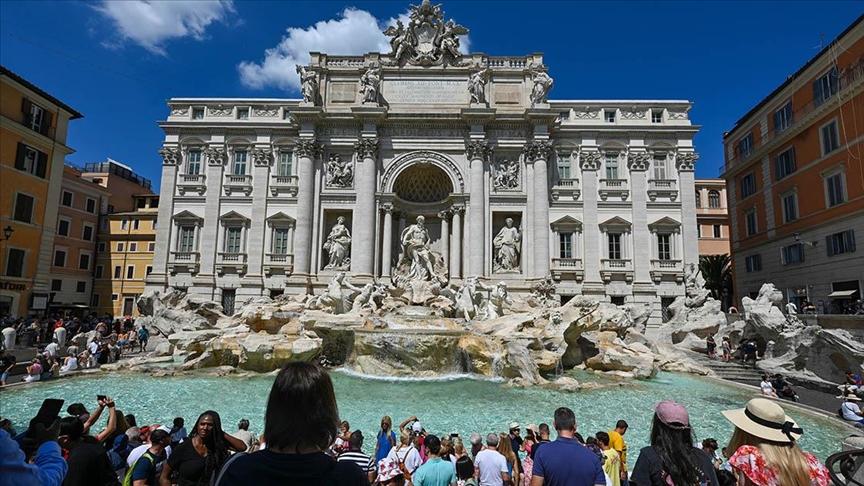
Trevi Fountain. (AA)
Constructed in the 18th century through a donation by French diplomat Étienne Gueffier, the Spanish Steps form an elegant passage from Piazza di Spagna to the Trinità dei Monti Church. These 135 steps are especially beautiful in spring, when they are adorned with colorful flowers, creating a romantic scene.
Located just steps away from Via Condotti, Rome’s most luxurious shopping street, the Spanish Steps are a perfect spot to rest and observe people. Sitting here at sunset and watching the city come alive is one of the most unforgettable moments of a Roman experience.
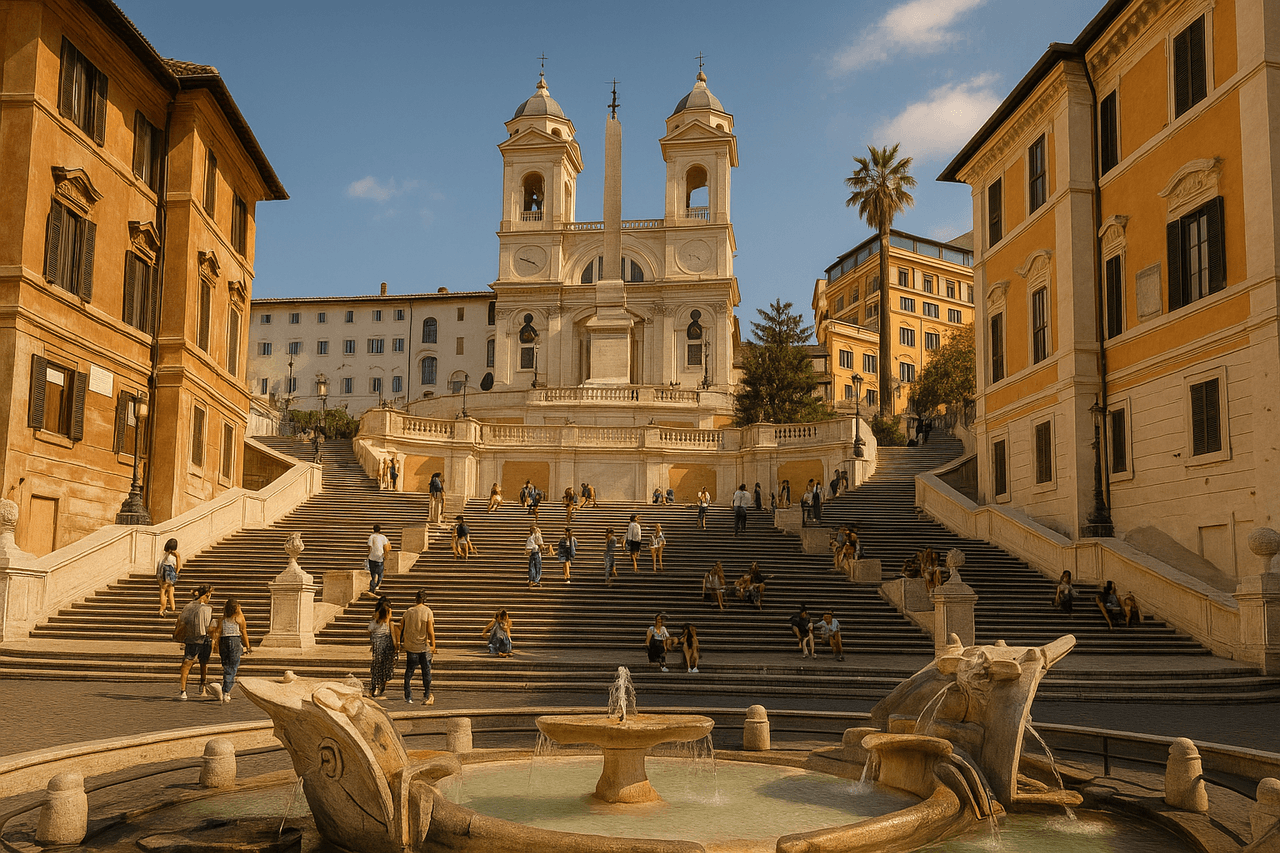
Spanish Steps. (Generated by artificial intelligence.)
Within Rome’s boundaries lies the independent state of Vatican City, the center of the Catholic world and an incredible treasure of art and history. First and foremost, the Basilica of St. Peter will captivate you with its colossal dome and stunning interior decorations. Climbing to the top of the basilica’s dome for a panoramic view of all of Rome is an unforgettable experience.
The Vatican Museums are filled with priceless art collections, from Michelangelo’s Sistine Chapel to Raphael’s Rooms. Seeing Michelangelo’s famous fresco “The Creation of Adam” by looking up in the Sistine Chapel is like experiencing one of the most iconic moments in art history.
Important note for visitors to the Vatican: Especially during peak season, entrance queues can be very long. Therefore, purchasing tickets in advance online and visiting early in the morning offers a significant advantage.
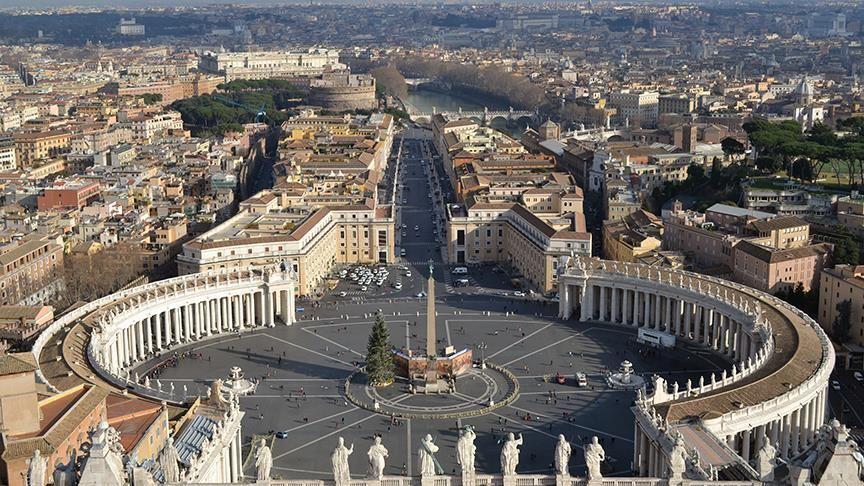
General view of Vatican City. (AA)
When thinking of Italian cuisine, pizza and pasta should not be the only things that come to mind. Roman cuisine reflects regional flavors. Here are the dishes you must try and where to find them:
Rome is a city you must explore not just by walking its streets, but by actively listening to and reading its history. In this magical city, where ancient ruins blend seamlessly with modern life, every stone and every building has a story. Therefore, I strongly recommend downloading a guided audio app (such as Rick Steves Audio Europe or izi.TRAVEL) or carrying a guidebook with on-site descriptions as you explore. These digital tools allow you to connect more deeply with the history of the places you visit, transforming a simple “seeing” experience into something far richer.
Rome is a walkable city... Especially in central areas, iconic landmarks such as the Colosseum, Pantheon, Trevi Fountain, and Piazza Navona are very close to each other. Therefore, getting lost in Rome’s streets wearing comfortable shoes is one of the most effective ways to feel the soul of the city. However, an important point to remember: After 10:00 PM, some areas outside the city center, particularly quiet side streets, can become somewhat deserted and unsettling. To stay safe, avoid walking alone after this hour and stick to main roads or return to your accommodation.
In terms of food and drink, Rome offers variety in both flavor and price. If you wish to experience classic Italian dishes like pizza and pasta, I recommend choosing local trattorias and osterias away from tourist squares. This way, you can enjoy more authentic flavors at reasonable prices. On average, a pizza or pasta dish with a drink costs around 13–15 euros (February 2025). In some places, you can find a “menu del giorno” (daily menu) at lunchtime for as little as 10 euros, offering a satisfying meal.
Another important consideration regarding transportation is taxi use. Taxis in Rome are generally expensive, and there are occasional reports of tourists being overcharged.
Finally, to truly experience Rome, be patient and take your time to absorb every corner. This city is not meant for rushing, taking photos, and moving on. It invites you to pause, observe, feel, and sometimes simply sit on a piazza and watch people. Do not rush Rome, because this city calls you to stillness and to a quiet encounter with history.
Anadolu Ajansı. "Roma’daki Tarihi Trevi Çeşmesi İçin Bilet Sistemi Düşünülüyor." Anadolu Ajansı. Accessed May 16, 2025. https://www.aa.com.tr/tr/dunya/romadaki-tarihi-trevi-cesmesi-icin-bilet-sistemi-dusunuluyor/3322207.Anadolu Ajansı. "Vatikan Dışişlerinin İki Numarasına Bir Kadın Atandı." Anadolu Ajansı. Accessed May 16, 2025. https://www.aa.com.tr/tr/dunya/vatikan-disislerinin-iki-numarasina-bir-kadin-atandi-/1703374.Italia.it. "Rome." Italia.it. Accessed May 16, 2025. https://www.italia.it/en/lazio/rome.ItaliaRail. "Rome to Rome Fiumicino Airport." ItaliaRail. Accessed May 16, 2025. https://www.italiarail.com/pages/routes/rome-to-rome-fiumicino-airport?utm_source=chatgpt.com.Omio. "Roma Fiumicino - Roma Termini Otobüs Seferleri." Omio. Accessed May 16, 2025. https://tr.omio.com/otobus-seferleri/roma-fiumicino/roma-termini?utm_source=chatgpt.com.
How to Get to Rome?
Getting Around the City
Where to Stay?
Historic Sites
Colosseum: The Arena of the Ancient World
Roman Forum and Palatine Hill: The Birthplace of Rome
Pantheon: The Masterpiece of Ancient Architecture
Trevi Fountain: The Story of a Wish
Spanish Steps: Rome’s Meeting Point
Vatican City: The World’s Smallest Nation
What to Eat in Rome and Where?
Must-Try Dishes:
Culinary Stops:
Practical Information About Rome
