This article was automatically translated from the original Turkish version.
+1 More
Transmission(s) | Transmission of knowledge and skills from master to apprentice | ||||||||
|---|---|---|---|---|---|---|---|---|---|
Type(s) | Traditional clothing and woven fabrics | ||||||||
Raw Material | camel hair goat hair Sheep wool | ||||||||
Decoration | Yarn and embroidery techniques | ||||||||
Weave Structure | Thick-woven fabric | ||||||||
Production Technique | Weaving on hand looms | ||||||||
Aba is a term referring to a traditional fabric woven from animal fibers and the garments made from this fabric. It is defined as a thick textile product produced through weaving techniques. Historically, it has been one of the traditional upper garments. Its production is carried out within the scope of traditional weaving activities. Aba is considered among traditional clothing elements within folk culture.
The primary raw material used in aba weaving is sheep wool. In addition to sheep wool, animal fibers such as goat hair and camel hair are also used in production. These fibers are cleaned of foreign substances before weaving. The preparation process of raw materials includes cleaning and carding. The yarns used for weaving are obtained through traditional spinning methods. The types of fibers used are sourced in relation to regional livestock activities.
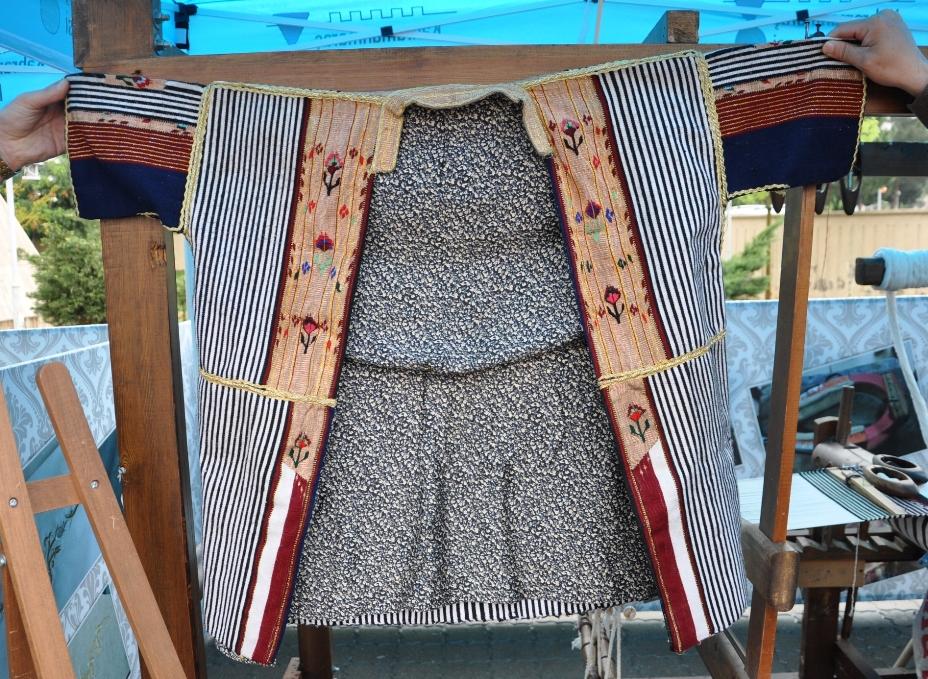
Aba has a thick woven structure. The woven surface consists of tightly spun yarns. The thickness of the fabric is related to the fiber properties of the yarns used. Post-weaving finishing processes ensure a smoother surface texture. Products made from this fabric are typically designed as collarless and sleeveless upper garments. Cutting patterns are determined according to the intended use. Yarn and embroidery applications are applied to the fabric surface. Varieties of aba differ in form and surface characteristics. These formal differences have emerged in connection with local production traditions.
Aba production is a multi-stage process beginning with the transformation of raw material into yarn suitable for weaving. During this process, fibers are cleaned and freed of impurities. The cleaned fibers are carded to make them suitable for weaving. Prepared fibers are then spun into yarn using traditional methods.
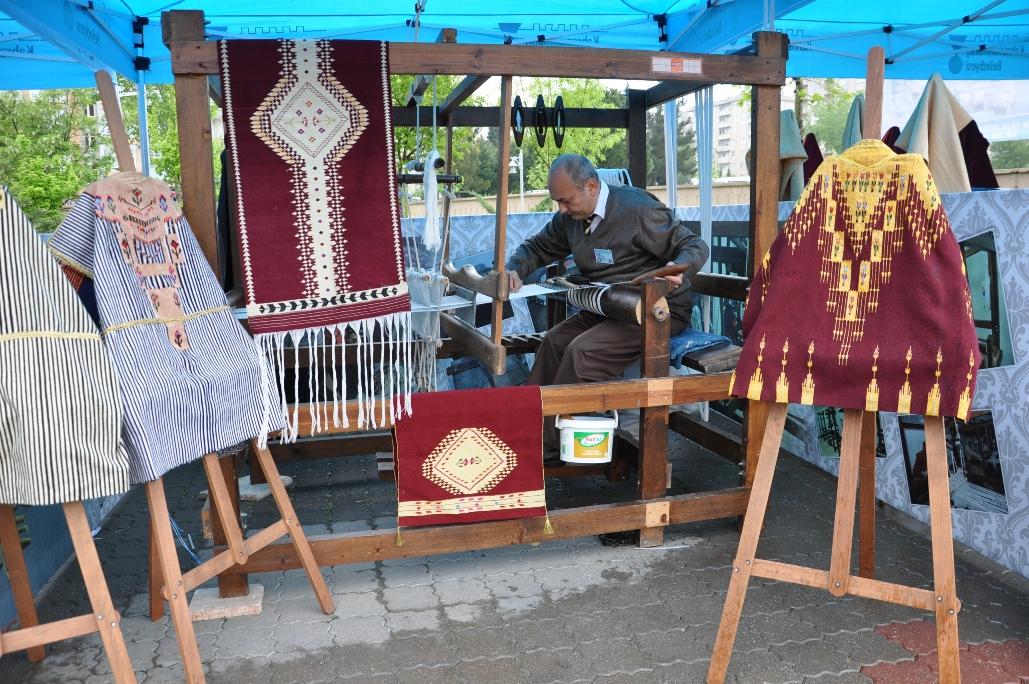
Weaving is carried out on traditional handlooms. On the looms, weft and warp yarns are arranged in a specific pattern to form the fabric surface. The techniques used during weaving determine the fabric’s thickness and weave density. After weaving is completed, the fabric undergoes compaction processes. Post-weaving finishing treatments ensure a smooth and even surface. The resulting fabric is cut according to its intended use and transformed into garments. Each stage of the production process is carried out based on traditional craft knowledge.
Varieties of aba are classified according to the types of yarn used, weave density, and decorative applications. Color, yarn type, and local production traditions are decisive in this classification. Differences among varieties are related to the structure of the woven surface and yarn thickness. Traditionally named types are embedded within local weaving practices.
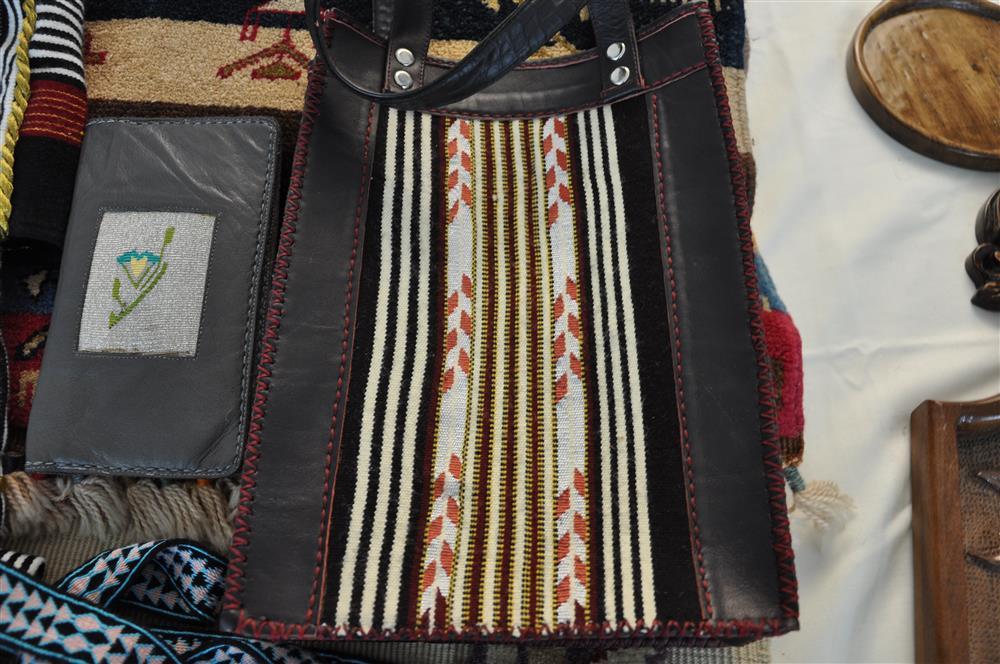
In the past, aba weavings were worn as outer garments for daily use and formed part of the regional attire used in rural life during everyday activities. Today, abas are used in folk dance costumes and aba wrestling events. ABA WRESTLING is among the oldest known wrestling styles in Turkish culture. Additionally, bags, tobacco pouches, and vests are produced from aba weavings upon order.
Aba production is a craft activity carried out within the framework of traditional weaving. Weaving operations are performed on handlooms. Those involved in production are artisans with expertise in weaving. Knowledge and skills related to production are transmitted from master to apprentice through practical training.
Today, aba weaving continues in specific settlements as part of traditional handicrafts. These practices are addressed within the framework of cultural heritage and promoted through local events. Abacılık activities are included among practices associated with traditional weaving and clothing.
Gök, Mustafa Oğuz. "Kahramanmaraş Aba Dokumacılığı." *Akademik Bakış Dergisi*, no. 63 (September–October 2017): 276–291. Accessed February 9, 2026. https://dergipark.org.tr/en/download/article-file/437590
Kahramanmaraş İl Directorate of Culture and Tourism. "Abacılık." Accessed February 9, 2026. https://kahramanmaras.ktb.gov.tr/TR-150381/abacilik.html
Kültür Portalı. "Abacılık - Kahramanmaraş." Accessed February 9, 2026. https://www.kulturportali.gov.tr/turkiye/kahramanmaras/kulturatlasi/abacilik
Söylemezoğlu, Feryal, and Hafsa Kurt Karakülah. "Geçmişten Günümüze Gaziantep Aba Dokumacılığı." *Folklor Akademi Dergisi* 3, no. 4 (2020): 173-189. Accessed February 9, 2026. https://dergipark.org.tr/tr/download/article-file/1410203
Uludağ, Süleyman. "Abâ." *TDV İslâm Ansiklopedisi*. Accessed February 9, 2026. https://islamansiklopedisi.org.tr/aba--elbise
[1]
Söylemezoğlu, Feryal and Hafsa Kurt Karakülah. "Gaziantep Aba Weaving from Past to Present." Folklor Akademi Dergisi 3, no. 4 (2020): 173-189. Access date: 9 February 2026. https://dergipark.org.tr/tr/download/article-file/1410203

Transmission(s) | Transmission of knowledge and skills from master to apprentice | ||||||||
|---|---|---|---|---|---|---|---|---|---|
Type(s) | Traditional clothing and woven fabrics | ||||||||
Raw Material | camel hair goat hair Sheep wool | ||||||||
Decoration | Yarn and embroidery techniques | ||||||||
Weave Structure | Thick-woven fabric | ||||||||
Production Technique | Weaving on hand looms | ||||||||
Raw Materials and Structural Properties
Production Process and Weaving Techniques
Varieties【1】
Uses of Aba Weavings
Traditional Production and Its Continuation Today