



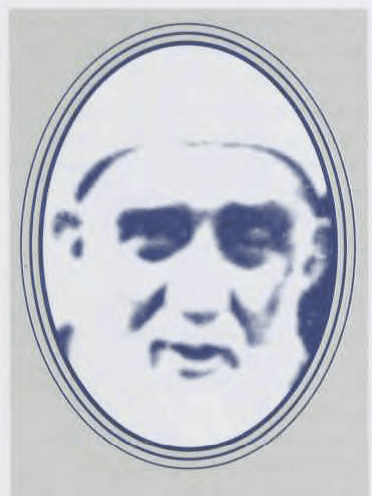
Abdullah Sabri Aytaç
Birth | 1870, Devrek | ||||||||
|---|---|---|---|---|---|---|---|---|---|
Death | 8 January 1950, Devrek | ||||||||
Profession(s) | Religious scholar member of parliament mufti madrasa teacher | ||||||||
Education | Istanbul Bayezid Camii Medresesi | ||||||||
Membership in Parliament | 1920–1923 (Bolu, 1st Term of the TBMM) | ||||||||
Committee Memberships | Sharia and Waqfs, Guidance Commissions | ||||||||
Religious Duties | Mufti of Devrek (after 1911) | ||||||||
Notable Role | Founder of the Devrek Society for the Defense of Rights | ||||||||
Civil Status | Married, father of nine children | ||||||||
Grave | Courtyard of Devrek Tekke Camii | ||||||||
Abdullah Sabri Aytaç, born in 1870 in the Devrek district of Zonguldak, was a religious figure and politician who actively participated during the National Struggle. After receiving a madrasa education, he served as a teacher and mufti, and became a prominent figure during the National Struggle by mobilizing the public toward resistance. In 1920, he was elected as a deputy from Bolu to the first term of the Grand National Assembly of Türkiye, where he undertook responsibilities in education, religious affairs, and public awareness. Aytaç, known for his sensitivity to educational issues, was a significant figure contributing to the political and social transformation of his time. He passed away in Devrek in 1950.
Abdullah Sabri Aytaç was born in Devrek in 1870. His father, Hacı Mehmet Efendi, was the postnişini of the Halveti Dergâhı, and his mother was Dudu Hanım. He completed his primary education at the ibtidai school in Devrek and later attended the rüştiye. In 1896, he received his teaching certification from the Bayezid Camii Medresesi in Istanbul. Following his father’s death, he assumed his father’s position at the Halveti Dergâhı.
After completing his education, he served as a teacher at the Cihadiyye and Cami-i Cedid Medreses in Devrek. He also held membership in the Devrek District Administrative Council and the Bolu Provincial Council. In 1911, he was appointed as the mufti of Devrek and carried out his religious duties. At the same time, he emerged as an influential opinion leader among the public.
From the very beginning, he supported the National Struggle initiated by Mustafa Kemal Paşa. He was among the founders of the Devrek Society for the Defense of Rights, established in 1919. As its president, he delivered speeches in mosques and public squares, calling the people to resist. He particularly encouraged public support for the National Struggle during rallies held at the Devrek Millet Bahçesi.
In 1920, he was elected as a deputy from Bolu to the Grand National Assembly of Türkiye. He was present at the opening of the Assembly on 23 April 1920. He served on the Commission on Sharia and Endowments and the Commission on Guidance. Leveraging his identity as a religious figure, he fulfilled the roles of raising awareness and promoting calm among the people of Bolu and its surroundings. During the Düzce uprising of 1920, he was again sent by the TBMM to Devrek to educate and inform the public in his electoral region.
Abdullah Sabri Efendi signed the Ankara Fatwa, issued on 11 April 1920 in response to the fatwa published by the Istanbul Government and signed by 152 religious figures. Through this act, he played an active role in securing the religious legitimacy of the National Struggle.
During his tenure as a deputy, he actively participated in the TBMM through three proposals, two bills, and one speech. His recommendations on educational policy drew attention for emphasizing the reform of madrasas and the importance of scientific education. In a 1922 survey of deputies, he stated that shaping education based on science and culture was decisive for the country’s future.
His deputyship ended in 1923. After withdrawing from politics, Abdullah Sabri Aytaç led a simple life in Devrek. He passed away on 8 January 1950. His grave is located in the courtyard of the Devrek Tekke Camii. His name has been given to the street where he lived, and a monument has been erected in the Millet Bahçesi, where he held his rallies.
BAKAB. "Abdullah Sabri Efendi." Accessed June 18, 2025. https://www.bakab.gov.tr/abdullah-sabri-efendi/
Tiryaki, Nuray Özdemir. “Abdullah Sabri Aytaç (1870-1950).” Atatürk Ansiklopedisi. Accessed June 18, 2025. https://ataturkansiklopedisi.gov.tr/detay/1456/Abdullah-Sabri-Ayta%C3%A7-(1870-1950)

Abdullah Sabri Aytaç
Birth | 1870, Devrek | ||||||||
|---|---|---|---|---|---|---|---|---|---|
Death | 8 January 1950, Devrek | ||||||||
Profession(s) | Religious scholar member of parliament mufti madrasa teacher | ||||||||
Education | Istanbul Bayezid Camii Medresesi | ||||||||
Membership in Parliament | 1920–1923 (Bolu, 1st Term of the TBMM) | ||||||||
Committee Memberships | Sharia and Waqfs, Guidance Commissions | ||||||||
Religious Duties | Mufti of Devrek (after 1911) | ||||||||
Notable Role | Founder of the Devrek Society for the Defense of Rights | ||||||||
Civil Status | Married, father of nine children | ||||||||
Grave | Courtyard of Devrek Tekke Camii | ||||||||
No Discussion Added Yet
Start discussion for "Abdullah Sabri Aytaç" article
Early Life and Education
Professional and Religious Roles
The National Struggle Period
Deputyship in the First TBMM
The Ankara Fatwa and Religious Support
Views and Activities in the Assembly
Later Years and Death