

This article was automatically translated from the original Turkish version.
+2 More
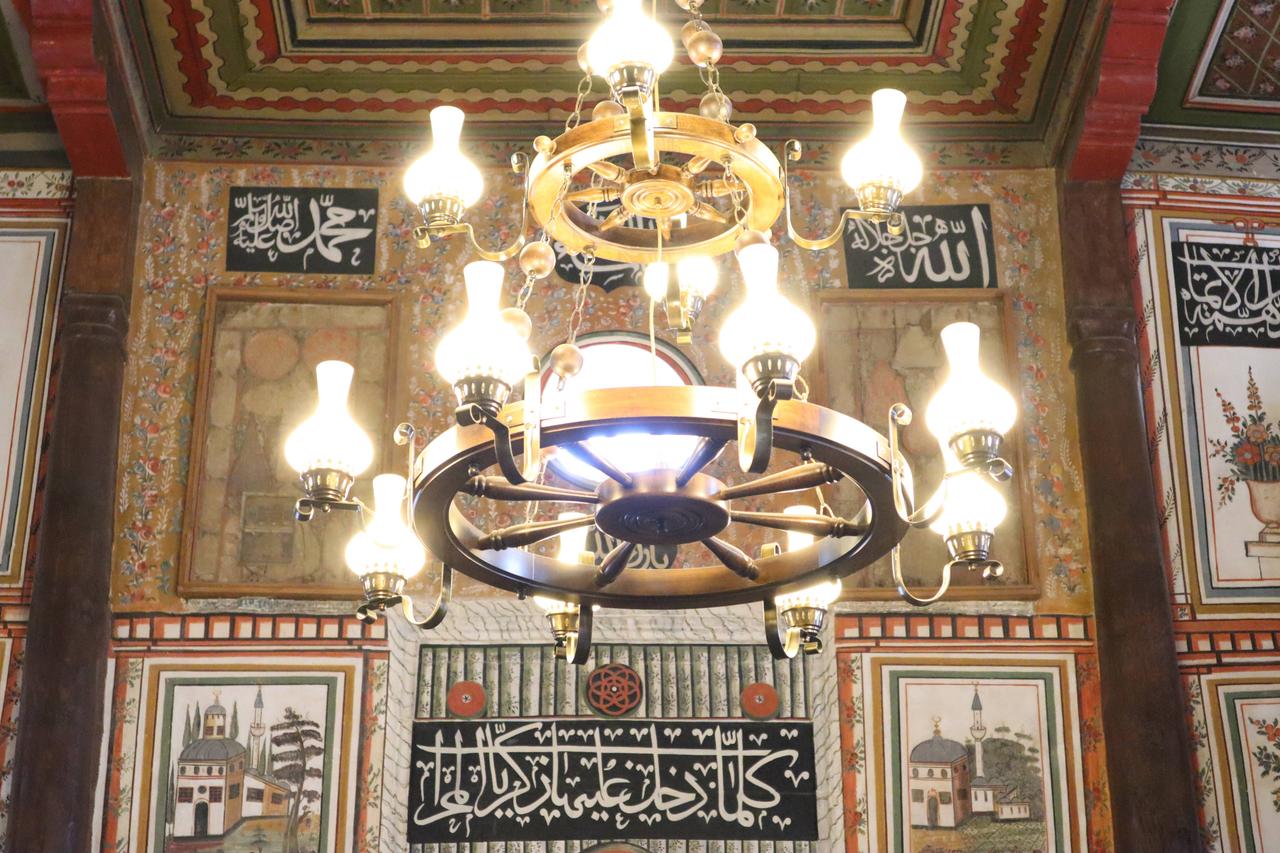
The Acıpayam Yazır Mosque, located in the Yazır Neighborhood of the Acıpayam District in Denizli Province, is one of the significant examples of the wood-columned mosque tradition, which is increasingly rare in Anatolia and was constructed in the 19th century. According to information from its inscription, the mosque was built in 1801 by Hacı Ömer Efendi (or Hacı Ömer Ağa). The structure, also known locally as the Çarşı Camii, is noteworthy for both its architectural layout and its rich decorative program. This place of worship reflects the architectural features of 13th-century Seljuk mosques and is regarded as one of the last examples of the Ottoman wooden mosque tradition in Anatolia.
The Yazır Mosque is situated on a gently sloping terrain in the central square of the Yazır Neighborhood, approximately 76 kilometers southeast of the city center of Denizli. The building is surrounded by a large courtyard, with its minaret located in the northwest corner of the courtyard. Due to its central position within the neighborhood, the mosque has historically served both as a place of worship and as a social gathering space. The spacious courtyard enables the congregation to assemble and facilitates communal religious events such as holiday prayers and other collective rituals.
Although various sources record slightly differing construction dates for the Yazır Mosque, the inscription on the building confirms 1801 as the year of construction. Some sources list 1797 or 1802–1803 as alternative dates. The patron, Hacı Ömer Efendi, was a prominent figure of his time who contributed both financially and organizationally to the mosque’s construction.
The mosque’s architecture is significant for continuing the wood-columned mosque tradition that had been widespread in Anatolia since the 13th century. This tradition represents the continuation of wooden-columned, three-aisled, rectangular prayer halls commonly found in village and town mosques during the Seljuk period.
The Yazır Mosque has a rectangular plan nearly square in alignment with the mihrab axis. The construction technique employed is bagdadi woodwork. The structural system rests on a total of ten wooden columns: two are adjacent to the north wall, two to the south wall, and six are freestanding. This arrangement divides the interior space into three aisles running perpendicular to the mihrab.
The mosque’s main entrance features a round arch with two niche-like recesses on either side. Above the entrance is an inscription panel. The wooden gallery is designed with three projections facing south and is accessed via a staircase on the left side of the entrance. This section served as the women’s prayer gallery.
The mihrab is shaped as a niche and adorned with three rows of stucco muqarnas. The minbar is crafted from wood and features S-shaped railings, a segmented arched canopy, and cabinets that reflect the craftsmanship of the period.
The mosque’s flat wooden ceiling is divided into square panels by wooden battens. Within these panels, plant motifs are painted using root dye. The motifs draw inspiration from the region’s agricultural produce, depicting fruits such as grapes, pomegranates, apples, and pears, as well as flowers such as roses, tulips, and carnations.
The Yazır Mosque contains rare examples of Ottoman-era folk painting art. The wall surfaces are divided into three horizontal rows of panels. The panels predominantly feature a miniature style, though occasional attempts at perspective are also visible. The overall aim was to create a modest yet uplifting atmosphere, free from ostentation.
The stylized plant motifs on the ceiling and minbar, combined with the wall paintings, transform the mosque into an atmosphere reminiscent of a “flower garden.”
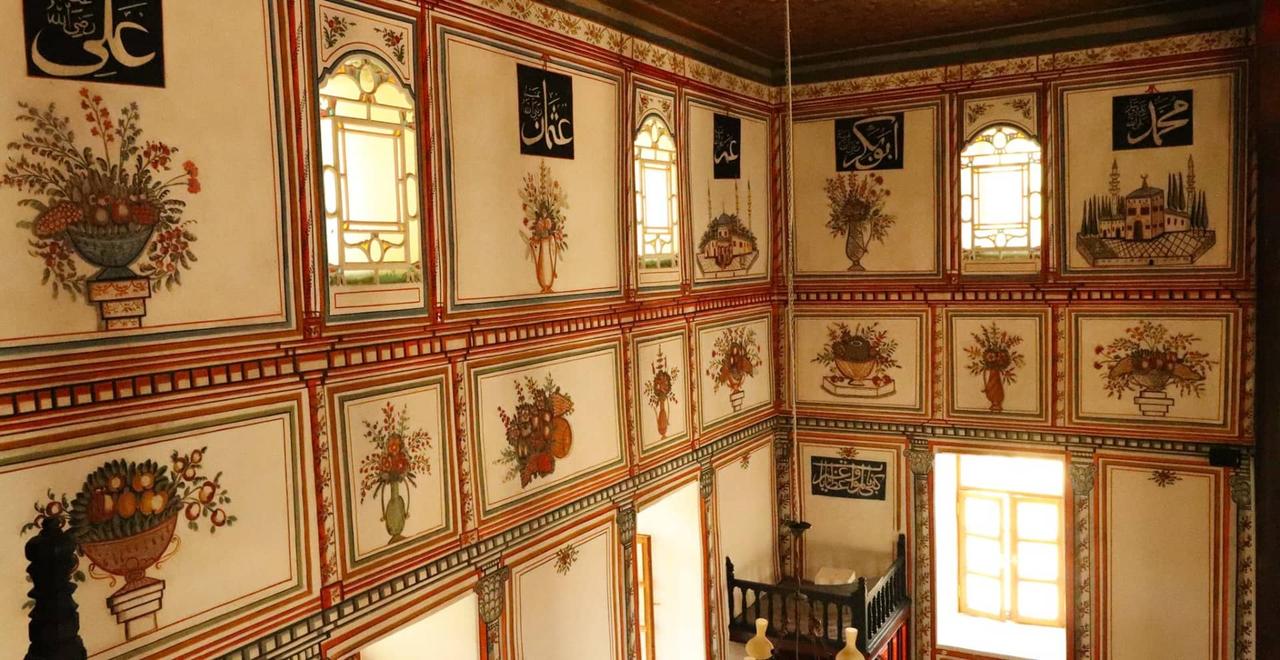
Walls of Acıpayam Mosque (Acıpayam Municipality)
The structure underwent minor repairs in 2003 by the Aydın Directorate of Foundations, during which the roof, minaret, and wooden structural elements were reinforced. A comprehensive restoration was completed in 2015. During this process, the original decorations were preserved, and the colors of the root-dye motifs were revitalized. Following these efforts, the mosque was opened to tourism.
The Yazır Mosque remains open for both worship and tourist visits. It is visited by an average of 3,000 people annually, attracting particular interest from international tourists. Tour groups visit the mosque on specific days of the week, with particular attention paid to its colorful interior decorations.
Due to its status as one of the rare surviving wood-columned mosques in Anatolia and its strong reflection of folk art elements, the Yazır Mosque is protected as part of the cultural heritage.
No Discussion Added Yet
Start discussion for "Acıpayam Yazır Mosque" article
Location and Site Layout
History
Architectural Features
Plan and Materials
Entrance and Gallery
Mihrab and Minbar
Ceiling and Roofing
Decorative Program
Painting Themes
Restoration and Conservation Efforts
Current Use and Tourism