


This article was automatically translated from the original Turkish version.
+1 More
Airbus A321
Category | Narrow-body twin-engine passenger aircraft | ||||||||
|---|---|---|---|---|---|---|---|---|---|
Origin(s) | European Union (Airbus) | ||||||||
First Flight and Entry into Service Year | First flight: 11 March 1993 Entry into service: 1994 (Lufthansa) | ||||||||
Number Produced | More than 4,000 (as of 2023) | ||||||||
Engine and Power System | CFM International CFM56 series IAE V2500 series For A321neo models: Pratt & Whitney PW1000G series CFM International LEAP-1A series | ||||||||
Length(s) | 44.51 metres | ||||||||
Wingspan | 35.80 metres | ||||||||
Height(s) | 11.76 metres | ||||||||
Empty Weight | Approximately 48,500 kg | ||||||||
Maximum Takeoff Weight | 89,000 kg | ||||||||
Maximum Speed | Approximately 870 km/h (0.82 Mach) | ||||||||
Range(s) | Between 5 700 km 600 km and 8 | ||||||||
Service Ceiling | Approximately 12,000 metres | ||||||||
Airbus The A321 is a narrow-body, twin-engine passenger aircraft manufactured by Airbus. As the largest variant of the A320 family, the A321 is designed for short and medium-haul flights, distinguished by its high passenger capacity, fuel efficiency and operational flexibility.

Airbus A321 (Source: AIRBUS)
Development of the A321 began in 1988 as part of the A320 family in response to demand for a higher-capacity aircraft. Its purpose was to meet growing air traffic demands by offering airlines increased passenger capacity. It made its first flight on 11 March 1993 and entered commercial service with Lufthansa in 1994. The A321-100 was the first produced variant, an extended version of the A320. The A321-200 became more popular due to its increased range and fuel capacity. The A321neo (New Engine Option) is equipped with next-generation engines and aerodynamic improvements that enhance fuel efficiency. The A321LR (Long Range) and A321XLR (Extra Long Range) are specially developed models for long-haul flights. The A321 achieved significant success in the narrow-body market and is preferred by numerous airlines worldwide. It has become an ideal choice for low-cost carriers and charter operations.
AIRBUS A321 Neo (Source: YouTube-Turkish Airlines)
The aircraft is powered by twin engines (CFM International CFM56 or IAE V2500; on the A321neo, Pratt & Whitney PW1000G or CFM International LEAP-1A). It features a narrow fuselage, single-aisle design and an aerodynamic structure optimized for efficiency and passenger comfort. It is optimized for short and medium-haul flights, although the A321LR and A321XLR variants are capable of long-haul operations. It typically has a passenger capacity of 185 to 236, depending on cabin configuration. Length: 44.51 metres, Wingspan: 35.80 metres, Height: 11.76 metres. Maximum cruise speed is Mach 0.82. Advanced avionics, high-efficiency wingtip devices (sharklets) and modern cabin interior systems are additional features.
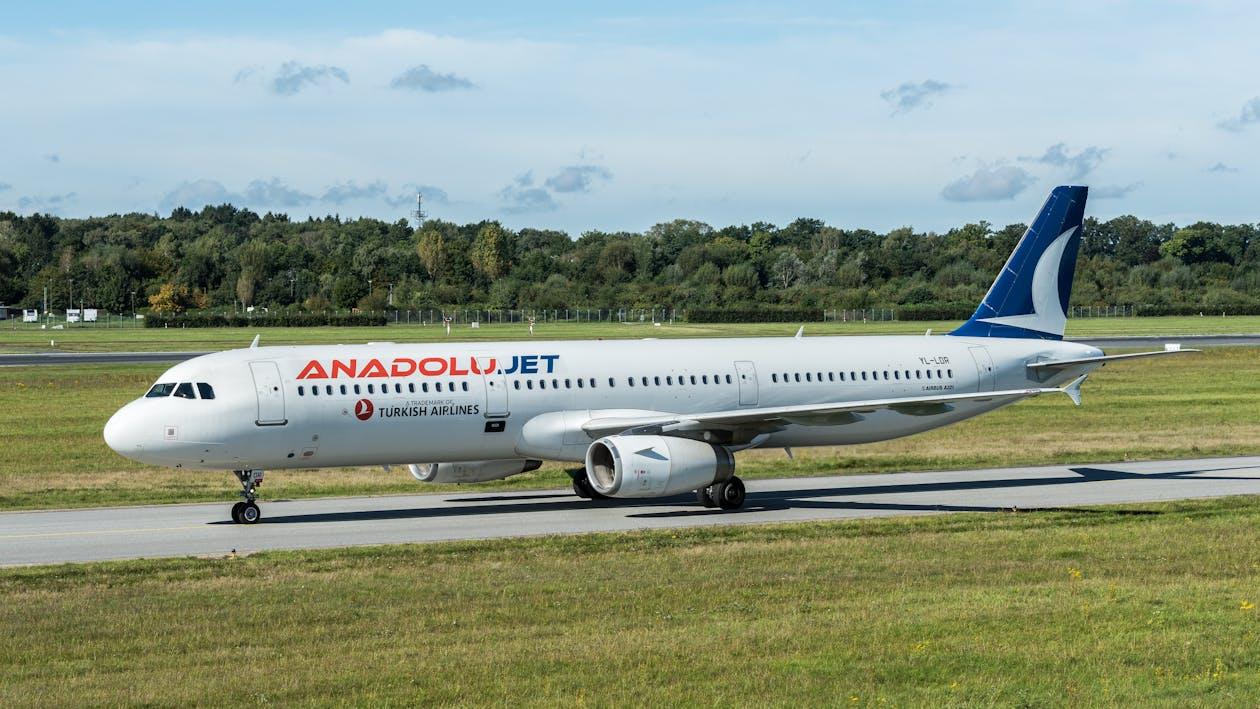
Airbus A321 ANADOLU (A) JET (Source: Pexels)
The A321-100 is the first produced variant with limited range. The A321-200 is more popular due to its extended range and increased fuel capacity. The A321neo offers high fuel efficiency through next-generation engines and aerodynamic enhancements. The A321LR and A321XLR are specially developed for long-haul flights and can operate routes including transatlantic flights. Applications include passenger transport (short and medium-haul), charter flights, low-cost carriers and long-haul operations (A321LR/XLR).
The A321 is widely used for short and medium-haul flights and serves as a core aircraft type for many airlines. Thanks to its next-generation engines, it achieves fuel savings and reduces carbon emissions. Its spacious cabin and modern interior design enhance passenger comfort. Due to its low operating costs, high efficiency and operational flexibility, it is a popular choice among airlines. It contributes to economic and social interaction by enhancing intercity connectivity worldwide.
Airbus. "A321neo." Accessed April 16, 2025. https://aircraft.airbus.com/en/aircraft/a320-family/a321neo
CAPAVIA CHARTER. "AIRBUS A321 - YOLCU UÇAKLARI." Accessed April 16, 2025. https://charter.capavia.com.tr/airbus-a321-2/.
Flyive. "Airbus A321Neo Teknik Özellikler ve Detaylar." Accessed April 16, 2025. https://flyive.com/ansiklopedi/sivil-ucaklar/airbus-a321-neo.
Lufthansa. "Airbus A321-100/200." Accessed April 16, 2025. https://www.lufthansa.com/tr/tr/321.
Turkish Airlines. "Airbus A321-200 | Filo." Accessed April 16, 2025. https://www.turkishairlines.com/tr-tr/ucak-bileti/ucus-deneyimi/filo/airbus-a321-200/.
Turkish Airlines. "Airbus A321neo | Filo." Accessed April 16, 2025. https://www.turkishairlines.com/tr-tr/ucak-bileti/ucus-deneyimi/filo/airbus-a321neo/.

Airbus A321
Category | Narrow-body twin-engine passenger aircraft | ||||||||
|---|---|---|---|---|---|---|---|---|---|
Origin(s) | European Union (Airbus) | ||||||||
First Flight and Entry into Service Year | First flight: 11 March 1993 Entry into service: 1994 (Lufthansa) | ||||||||
Number Produced | More than 4,000 (as of 2023) | ||||||||
Engine and Power System | CFM International CFM56 series IAE V2500 series For A321neo models: Pratt & Whitney PW1000G series CFM International LEAP-1A series | ||||||||
Length(s) | 44.51 metres | ||||||||
Wingspan | 35.80 metres | ||||||||
Height(s) | 11.76 metres | ||||||||
Empty Weight | Approximately 48,500 kg | ||||||||
Maximum Takeoff Weight | 89,000 kg | ||||||||
Maximum Speed | Approximately 870 km/h (0.82 Mach) | ||||||||
Range(s) | Between 5 700 km 600 km and 8 | ||||||||
Service Ceiling | Approximately 12,000 metres | ||||||||
Historical Development
Technical Specifications
Variants and Applications
Social and Economic Impact