

This article was automatically translated from the original Turkish version.
+1 More
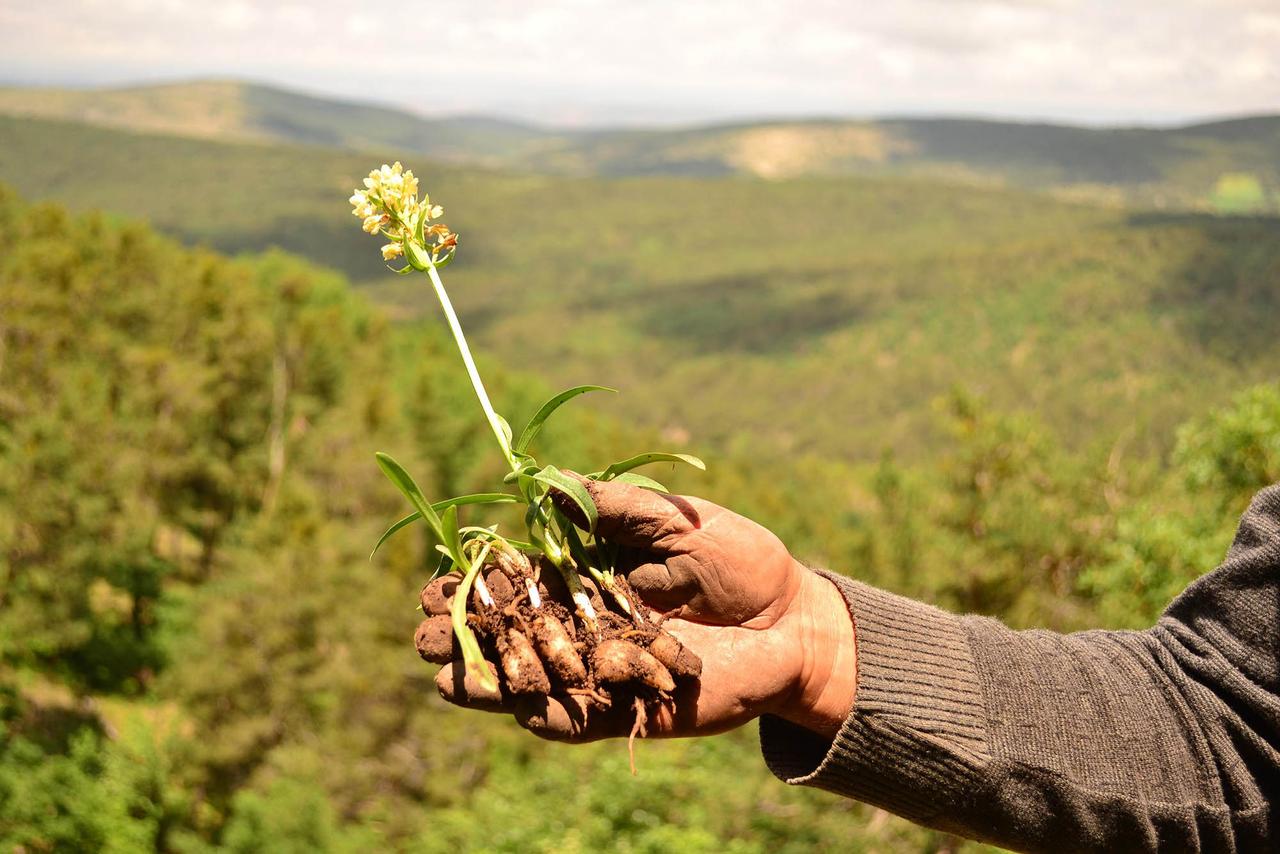
Akdağmadeni salep is a traditional product obtained from the tubers of the Dactylorhiza romana orchid species grown within the boundaries of the Akdağmadeni district of Yozgat province. It is prepared by drying the tubers and grinding them in a stone mill, and belongs to the category of non-alcoholic beverages. It is registered with a geographical indication.
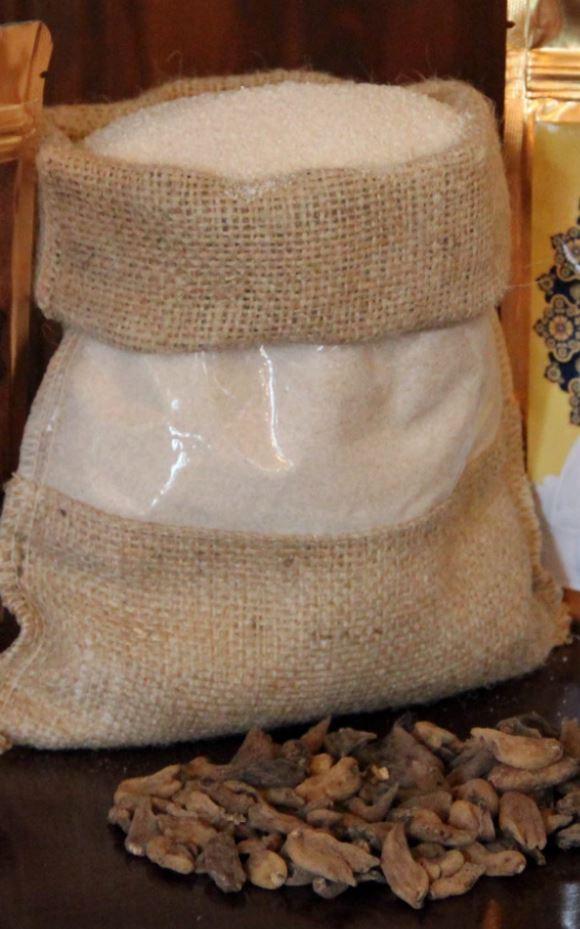
Akdağmadeni Salep ( Turkish Patent and Trademark Office)
The application for protection of Akdağmadeni salep under Law No. 6769 on Industrial Property was submitted on 6 March 2020, and it was officially registered on 16 September 2021 as a geographical indication under the category of geographical indication. The application was submitted by the Akdağmadeni Municipality.
The Akdağmadeni district is characterized by extensive forests dominated by pine and oak trees with a block-like forest structure. The district lies in a transitional zone between the Black Sea and continental climates. Spring and autumn exhibit rainfall and wind patterns similar to the Black Sea climate, while summer months are dominated by continental climate characteristics. This climatic transition directly influences the reproduction and maturation processes of the salep orchids, thereby enhancing the product’s quality.
Akdağmadeni salep is produced exclusively from tubers of the Dactylorhiza romana species. The use of other species is not documented in the technical file. The tubers are cultivated in soil through agricultural practices rather than harvested directly from natural habitats.
The production of salep follows these stages:
Salep produced by this method is a natural product containing no additives.
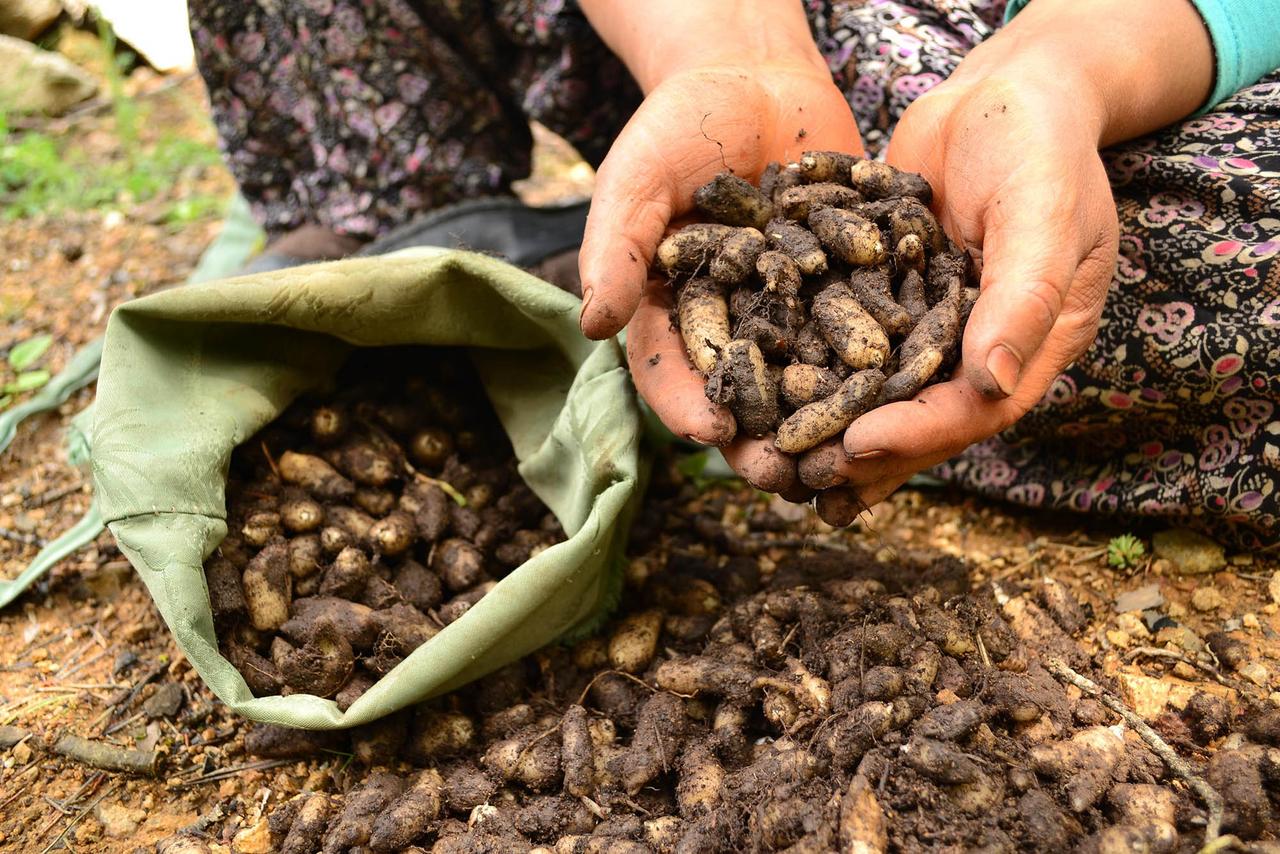
Akdağmadeni Salep (Akdağmadeni Municipality)
Akdağmadeni salep has a color ranging from light cream to light brown. It is in powdered form, ground by stone mill. When cooked with milk, it develops a distinct thickness. The product contains glucomannan at 45–55%, mannose at 30–35%, glucose at 15–20%, nitrogen at 0.3–0.6%, and protein at 3–5%. Due to its high glucomannan content, it acts as a thickening agent in beverages or ice cream preparations.
Traditionally, Akdağmadeni salep is consumed as a beverage prepared with milk. The recommended preparation method is as follows: Boil one litre of milk, then mix in five grams of Akdağmadeni salep and 80 grams of powdered sugar. Stir continuously for approximately 30 minutes until the desired thickness is achieved. Cinnamon may be added according to taste. The prepared product should be stored at 0–5 °C in a dry environment.
The production of Akdağmadeni salep must be carried out exclusively within the boundaries of the Akdağmadeni district due to its historical heritage and accumulated knowledge. This production tradition, shaped by local soil characteristics and regional expertise, constitutes one of the fundamental grounds for its geographical indication status.
The production, packaging, and storage of Akdağmadeni salep are monitored by a control body composed of representatives from four institutions, with inspections conducted at least once annually. Inspections are carried out according to criteria including glucomannan content, compliance with production methods, and correct use of the geographical indication.

Registration Details
Growing Environment and Geographical Conditions
Plant Species Used in Production
Production Method
Physical and Chemical Properties
Consumption Method
Production Requirement Within the Geographical Boundary
Monitoring and Protection