

This article was automatically translated from the original Turkish version.
+1 More
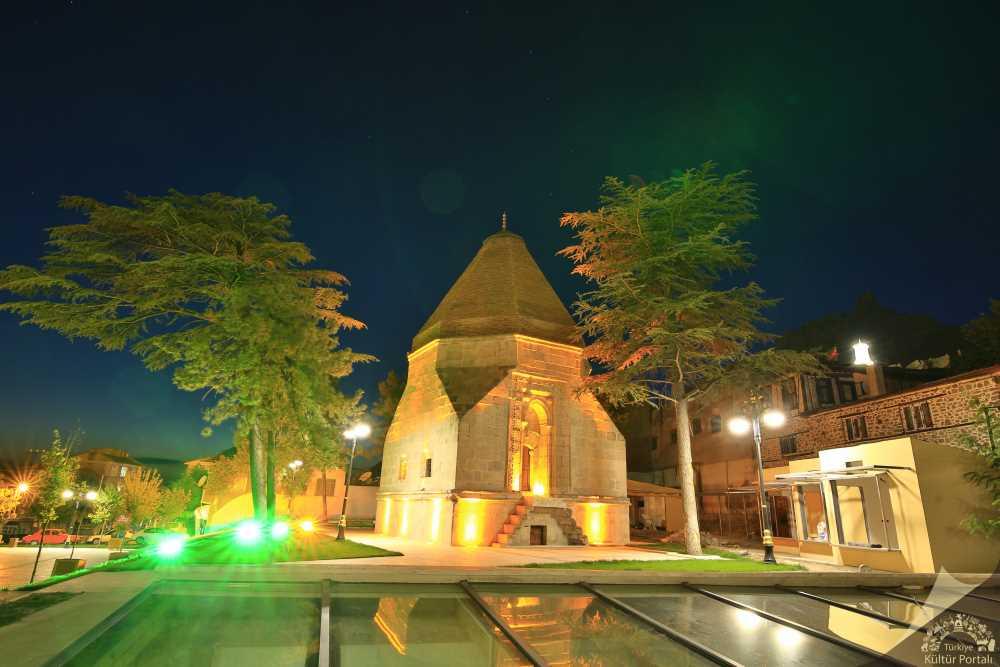
Alemşah Kümbeti was built in 1328 by Melikşah in memory of his brother Sultan Şah, who was martyred at a young age. The structure is located in the Sivrihisar district of Eskişehir, north of the Ulu Camii. As one of the significant monumental tombs of its era, the kümbet is a unique building serving both as a tomb and a mosque. Although it has suffered some damage over time, recent restoration efforts have ensured its preservation.
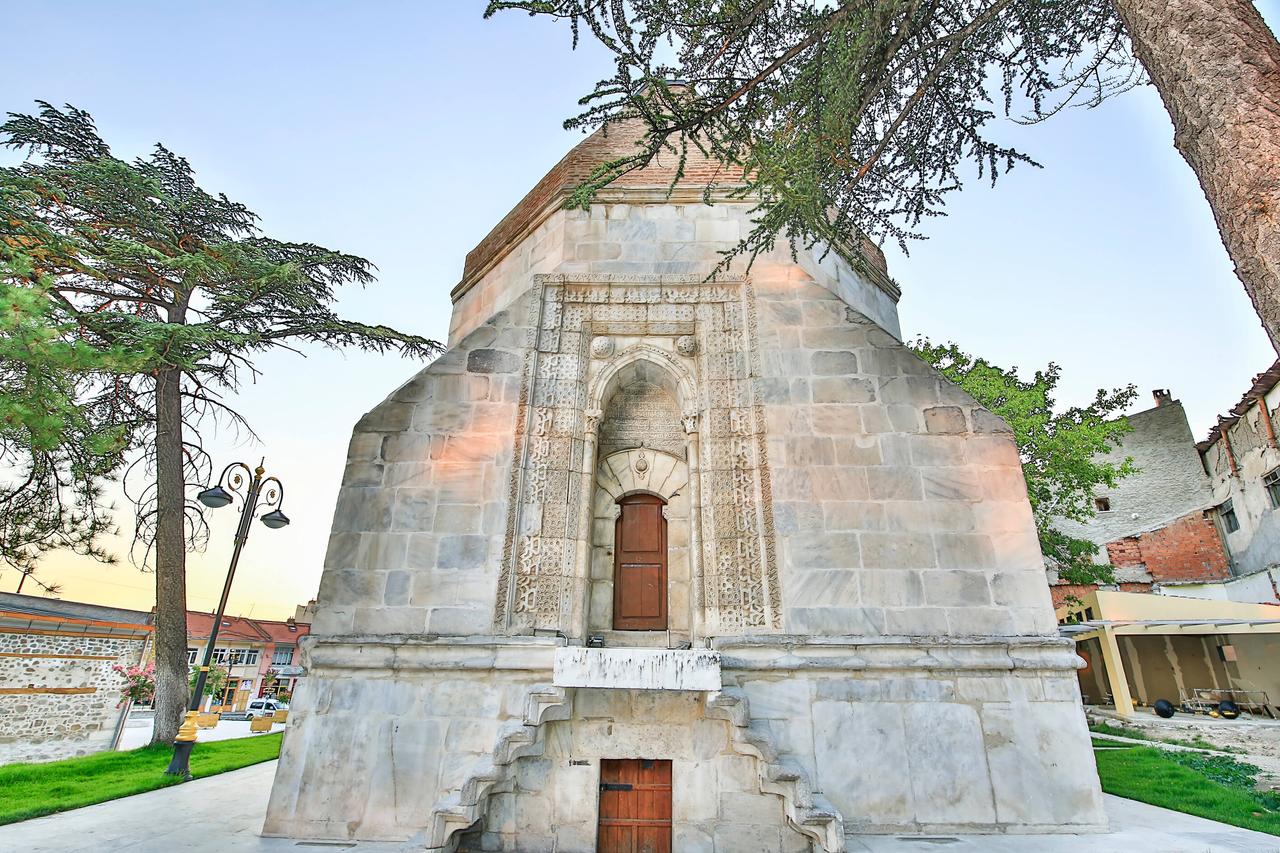
Alemşah Kümbeti (Sivrihisar Municipality)
The kümbet is a two-story structure with a square plan. The lower floor functions as the burial chamber, while the upper floor serves as a mosque. The walls of the building were constructed using a massive marble rubble technique. The upper floor is richly adorned with marble cladding, and its dome is an octagonal pyramidal form made of brick.
The upper mosque level is accessed via double-sided spiral staircases. It features a pointed arch doorway surrounded by elaborate geometric and figurative decorations. Inside, the dome adorned with muqarnas and the mihrab are particularly striking. The lower burial chamber, though relatively narrow, is decorated with geometric motifs and animal reliefs.
Alemşah Kümbeti exhibits typical characteristics of Anatolian Seljuk art while also incorporating symbolic figures from pre-Islamic Turkish beliefs. In the border system, palmette motifs, stars, and small animal figures arranged side by side with vine-like stems are visible. Among these, the fish figure with its mouth facing upward stands out; it is widely interpreted as a zodiac symbol.
These rich figurative decorations indicate that the structure was not merely a tomb but also a monument imbued with symbolic meaning.
The Arabic inscription above the doorway explains the building’s date, patron, and purpose. It states that Melikşah commissioned this kümbet in memory of his brother Sultan Şah, who was martyred unjustly at a young age. The inscription emphasizes the spiritual significance of the structure and its construction as an act of charity.
In addition to embodying the classical Seljuk tomb architectural style, Alemşah Kümbeti is notable for its dual function: the lower level as a burial chamber and the upper level as a mosque. In this regard, it served not only as a tomb but also as a place of worship.
Having suffered various damages over the centuries, Alemşah Kümbeti has had its original architectural and decorative features preserved through recent restoration efforts, and the structure has been opened to visitors. The surrounding madrasa buildings were removed, opening up the area and converting it into a park.
Alemşah Kümbeti is one of the finest examples of Anatolian Seljuk architecture and constitutes an important cultural heritage both architecturally and decoratively. It reflects the artistic sensibility and religious life of the Seljuk period, while the presence of symbols from ancient Turkish culture highlights the structure’s cultural diversity.

Architectural Features
Decorations and Motifs
Inscription and Meaning
Functions of the Structure
Restoration and Conservation Status
Cultural and Historical Significance