


This article was automatically translated from the original Turkish version.
Stefan Zweig’s Extraordinary story *A Single Night* is a compelling long narrative that deeply explores an individual’s psychological and moral transformation. First published in 1922, work centers on the spiritual transformation and self-rediscovery of a monotonous bourgeois man after experiencing extraordinary events over the course of a single night. Zweig invites readers into profound introspection by examining inner conflicts and personal enlightenment within the work. The story addresses themes such as the individual’s spiritual void, social class differences, and the reevaluation of moral values such as. Zweig’s professional approach to psychological analysis enhances the story’s impact.
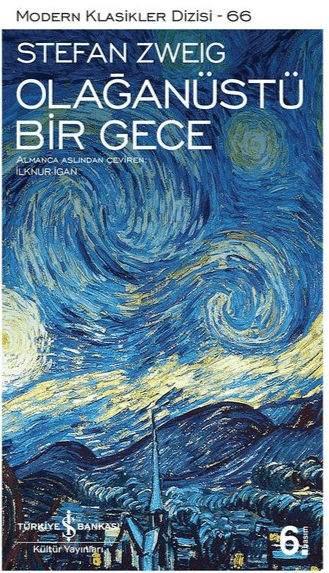
A Single Night
The protagonist is a wealthy bourgeois from the upper strata of society. Despite having no material deficiencies, this character leads a life devoid of deeper meaning. His daily routine proceeds mechanically, distant from emotional fulfillment or excitement. Zweig meticulously depicts the character’s inner world and existential emptiness in this section. The chronic dissatisfaction and meaninglessness the character feels throughout his life prompt readers to reflect on modern individual loneliness and alienation on.
The turning point in the character’s life begins when he decides to attend a routine market horse race at. During the race, he violates social contrary norms by committing behavior theft. This act awakens emotions he has not felt in a long time and initiates a profound inner questioning. Zweig presents this small yet powerful action as the beginning of the character’s spiritual transformation awakening. The act of theft creates internal conflict in his conscience while simultaneously granting him a renewed sense of vitality.
Throughout the night, the character interacts with people from Vienna’s lower classes. In this process, he discovers other facets of life and begins to question his attitude of detachment from society. Witnessing the struggles of the underprivileged grants him empathy empathy and social awareness awareness. Zweig thoroughly examines social class disparities and the individual’s relationship with his environment in this section.
The events of the night trigger a deep spiritual awakening in the main character. Having confronted himself and found a new perspective on life, he resolves to leave behind his empty past. This process leads to the character’s moral and spiritual rebirth. Zweig conveys the character’s inner transformation to the reader through detailed psychological analysis.
The character’s experiences lead him to question his moral values. Transcending the norms imposed by society, he begins to construct his own ethical framework. While questioning individual moral development and the relationship between personal ethics and societal values, Zweig also guides the reader toward a similar process of introspection.

No Discussion Added Yet
Start discussion for "An Extraordinary Night (Book)" article
Content of the Book
The Monotony of Bourgeois Life
Racing Horses and the First Experience of Crime
Nighttime Adventure on the Streets of Vienna
Spiritual Awakening and Self-Discovery
Reevaluation of Moral Values