

This article was automatically translated from the original Turkish version.
Type of Geographical İndication | Origin Name | ||||||||
|---|---|---|---|---|---|---|---|---|---|
Application Date | 10.03.2020 | ||||||||
Registration Number | 802 | ||||||||
Registration Date | 16.07.2021 | ||||||||
Product / Product Group(s) | Other products | ||||||||
Province(s) | Ankara | ||||||||
Applicant/Registrant(s) | Ankara Chamber of Commerce | ||||||||
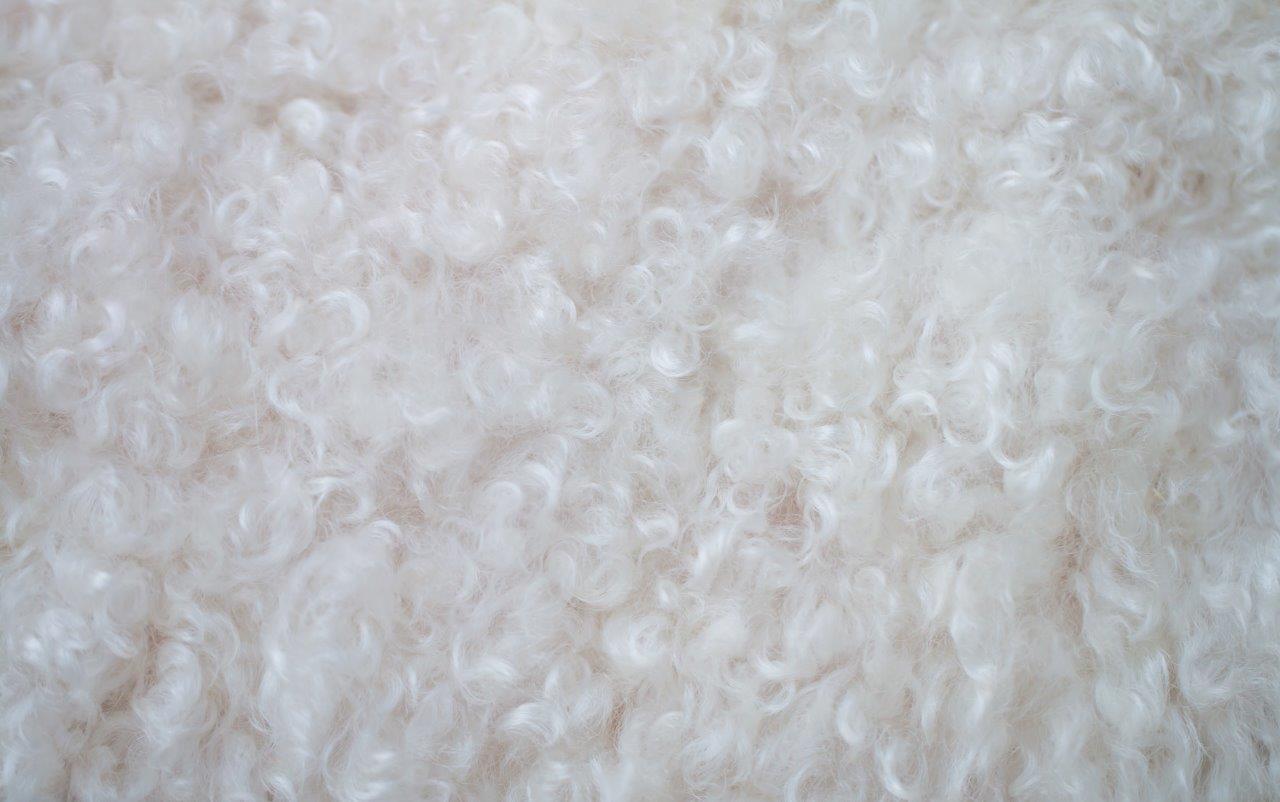
Ankara Tiftiği is a fine, lustrous natural fiber obtained from the Ankara Goat, one of Türkiye’s native goat breeds, with significant historical and cultural value. This special goat breed has been raised in Anatolia for centuries and is particularly adapted to the climatic conditions of Ankara and its surroundings, known for its distinctive tiftik fiber.
The production of Ankara Tiftiği evolved along migration routes extending from Central Asia into Anatolia and gained commercial value during the Ottoman period. In the 19th century, exports of tiftik to Europe elevated the international reputation of the Ankara Goat. However, from the second half of the 20th century onward, demand for tiftik declined due to the widespread adoption of synthetic fibers and the contraction of production areas.
Ankara Tiftiği is distinguished from other natural fibers by the following properties:
Fineness: Average diameter of 22–30 microns, soft and lightweight.
Luster: Possesses a natural sheen; this feature makes it particularly desirable in textile applications.
Length: Fiber length typically ranges between 20–30 cm.
Color: Generally white; this enhances its dyeability.

Tiftik Goat (AA)
The production of Ankara Tiftiği is a multifaceted process involving biological and technical stages. It is carried out in six main phases, from raising the Ankara Goat to marketing the fiber:
For high-quality tiftik production, the feeding and biological cycle of the Ankara Goat are carefully monitored. Pastures are utilized throughout the year; during winter and lambing periods, roughage such as alfalfa, vetch hay, wheat and barley straw, along with concentrated feed, are provided. Crop residues and plant by-products are also utilized.
During the pre-shearing period, the cleanliness and integrity of the fiber are preserved:
Shearing is performed using scissors or machines without harming the animal and while preserving the integrity of the fiber. The shearer systematically shears different body regions by positioning the goat appropriately, paying special attention to sensitive areas such as behind the knees.
Classification: Three quality grades are determined: kid, adult and secondary tiftik.
Folding: Fleeces are folded with the inner side facing outward; neck and butt sections are folded inward.
Packaging: Packaged according to quality grade and protected with polyethylene materials. Labeling is done without the use of ink.
Animal Management: After shearing, animals are bathed to protect against external parasites and shielded from weather fluctuations.
Storage occurs in two stages: from the farm to intermediary institutions. In storage facilities:
Marketing of classified tiftik is conducted through Tiftik Cooperatives and associated producer cooperatives. The product is offered to the processing industry according to its quality grade.
Ankara Tiftiği is protected under a geographical indication. This designation guarantees that only tiftik obtained from Ankara Goats raised in specific regions may be marketed as “Ankara Tiftiği.” The geographical boundaries include Ankara and surrounding provinces.
The production process is monitored by the Ministry of Agriculture and Forestry and relevant local cooperatives. Quality classification is based on criteria such as fiber length, fineness, luster and cleanliness. This classification determines the fiber’s applications in the textile sector.
Anadolu Ajansı. “Ankara Keçisi Tiftiklerinin Değeri Artıyor.” Anadolu Ajansı, June 13, 2019. Accessed August 16, 2025. https://www.aa.com.tr/tr/ekonomi/ankara-kecisi-tiftiginin-degeri-artiyor/1503019.
Ankara Ticaret Odası. "No: 802 – Menşe Adı Ankara Tiftiği." Accessed August 16, 2025. https://ci.turkpatent.gov.tr/Files/GeographicalSigns/8ff6d03e-03c5-4dfa-a332-388e9c77c910.pdf
Turkish Patent and Trademark Office. "Ankara Tiftiği." Geographical Indications Portal. Accessed August 16, 2025. https://ci.turkpatent.gov.tr/cografi-isaretler/detay/1810.

Type of Geographical İndication | Origin Name | ||||||||
|---|---|---|---|---|---|---|---|---|---|
Application Date | 10.03.2020 | ||||||||
Registration Number | 802 | ||||||||
Registration Date | 16.07.2021 | ||||||||
Product / Product Group(s) | Other products | ||||||||
Province(s) | Ankara | ||||||||
Applicant/Registrant(s) | Ankara Chamber of Commerce | ||||||||
Historical Background
Physical Characteristics
Production Process
Flock Management
Pre-Shearing Preparation
Shearing
Post-Shearing Procedures
Storage
Marketing
Geographical Boundaries and Protection
Monitoring and Quality