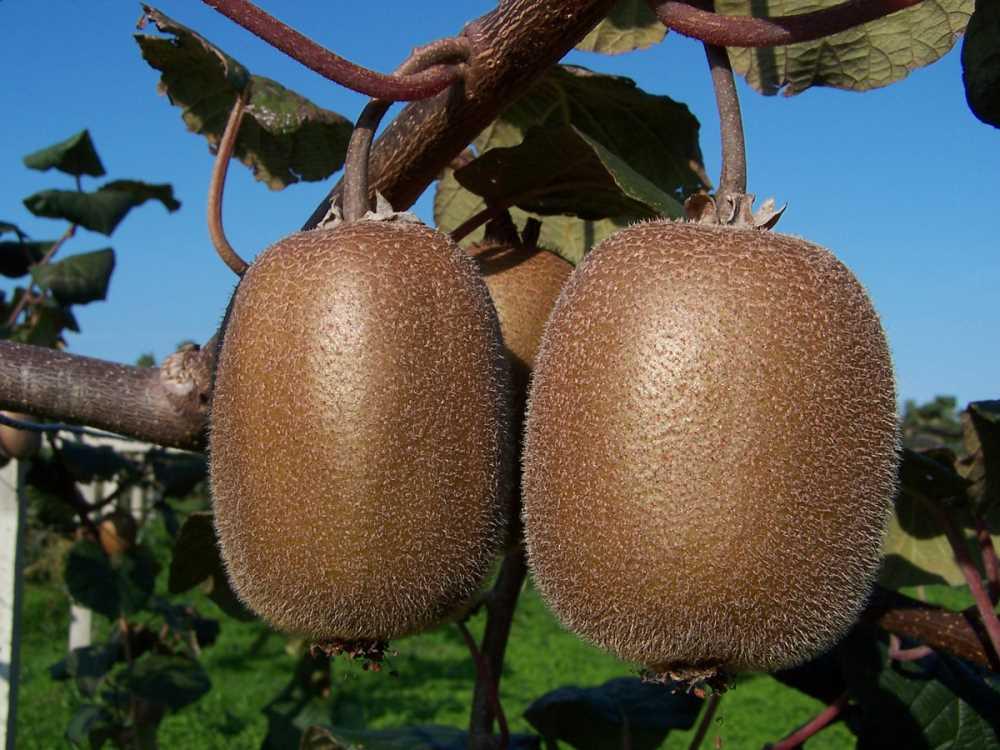


This article was automatically translated from the original Turkish version.
+1 More
Region(s) | Army | ||||||||
|---|---|---|---|---|---|---|---|---|---|
Type(s) | Kiwi (Actinidia Deliciosa – Hayward Variety) | ||||||||
Harvest | Autumn | ||||||||
Geographical Sign | Registration Number: 451, Registration Date: 05.09.2019 | ||||||||
Ordu Kiwi is a registered fruit variety belonging to the ‘Hayward’ cultivar of Actinidia deliciosa, cultivated in Turkey’s Black Sea Region, particularly in the province of Ordu. This product was officially registered with a Geographical Indication Certificate by the Turkish Patent and Trademark Office on 10 December 2009. The region’s climate and soil characteristics directly influence the fruit’s flavor profile and nutritional value. Ordu Kiwi has a thin, brownish, fuzzy skin; its flesh is emerald green, highly juicy, and semi-translucent.
Ordu Kiwi is oval or elliptical in shape, with a fruit length of 4.5–7.5 cm and a thickness of 3.5–5 cm. The average fruit weight is 90–110 grams, but in well-maintained orchards, this can reach 120–150 grams.
Per 100 grams, it contains:
These data demonstrate that the kiwi is both nutritious and suitable for processing. As fruits mature over time, the levels of vitamin C and flavonoids increase while firmness decreases.
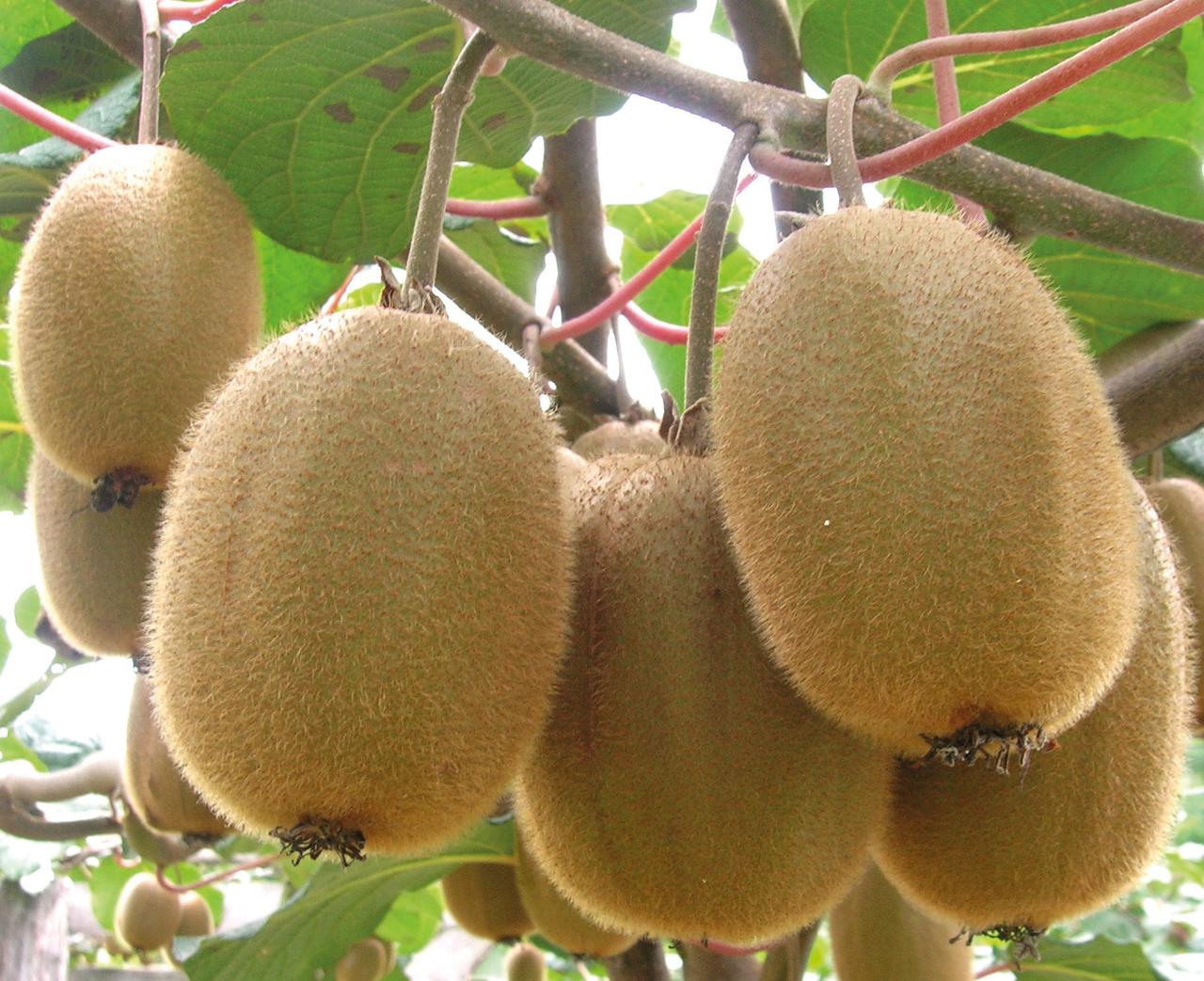
Ordu Kiwi (Türk Patent)
Ordu Kiwi is a perennial, twining, and climbing plant. It develops its surface fibrous root system within the top 40 cm of soil. The region’s acidic (pH 5.5–6.5), non-calcareous, and organic matter-rich soils are ideal for cultivation.
In orchards, the T training system or pergola (arbor) system is commonly used. Areas with an average annual temperature of 13–16 °C and consistent rainfall provide the most suitable climatic conditions for Ordu Kiwi.
The monitoring process is conducted by a three-member committee composed of experts from the Ordu Provincial Directorate of Agriculture and Forestry, the Ordu Food Control Laboratory, and the Faculty of Agriculture at Ordu University. Monitoring is carried out in the following areas:
Ordu Kiwi is widely consumed fresh and is also commonly used in the production of jams, marmalades, fruit juices, and desserts. Its long shelf life and transport durability provide marketing advantages. The product is promoted at local festivals and agricultural fairs and serves as an important agricultural commodity contributing significantly to the regional economy.
Registered by the Turkish Patent and Trademark Office, Ordu Kiwi is defined as a product unique to this region through its Geographical Indication certification. The certification establishes the designated production areas, cultivation techniques, and quality criteria for the product. This system contributes to maintaining product quality and safeguarding the rights of producers.
Please seems your input only contains a placeholder: `
https://ci.turkpatent.gov.tr/cografi-isaretler/detay/101
Republic of Turkey Ministry of Culture and Tourism. "Ordu Kivisi." Culture Portal. Accessed June 23, 2025.
Turkish Patent and Trademark Office. "Ordu Kivisi." Geographical Indications, Registration No: 101, Registration Date: 10.12.2009. Accessed June 23, 2025.

Region(s) | Army | ||||||||
|---|---|---|---|---|---|---|---|---|---|
Type(s) | Kiwi (Actinidia Deliciosa – Hayward Variety) | ||||||||
Harvest | Autumn | ||||||||
Geographical Sign | Registration Number: 451, Registration Date: 05.09.2019 | ||||||||
Morphological and Nutritional Properties
Cultivation and Harvest
Cultivation Method
Monitoring and Quality Control
Consumption and Cultural Use
Geographical Indication and Protection