

+1 More

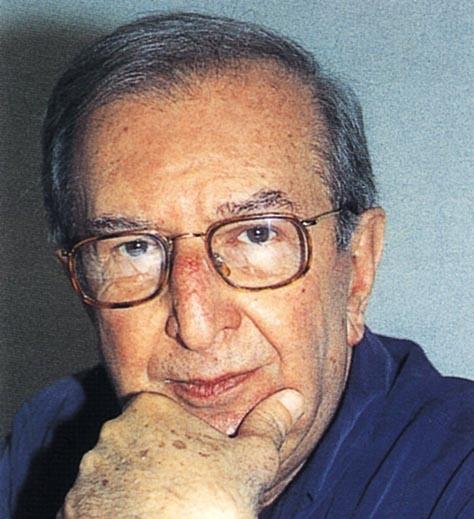
Atıf Yılmaz Batıbeki
Doğum tarihi | 1925-12-25 | ||||||||
|---|---|---|---|---|---|---|---|---|---|
Place of Birth | Mersin | ||||||||
Ölüm tarihi | 2006-05-05 | ||||||||
Place of Death | İstanbul | ||||||||
Profession(s) | Director Producer Screenwriter | ||||||||
Notable Films | Gece Melek ve Bizim Çocuklar (1994) Ahh Belinda (1986) Adı Vasfiye (1985) Bir Yudum Sevgi (1984) Selvi Boylum Al Yazmalım (1978) | ||||||||
Award(s) | Altın Portakal İstanbul Film Festivali Onur Ödülü Altın Koza | ||||||||
Atıf Yılmaz Batıbeki (1925–2006) was one of the most prolific and innovative directors in Turkish cinema, signing his name to over 120 films throughout his career. He took on pivotal roles during the transformative phases of Turkish cinema and emerged as one of the leading figures in the transition from Yeşilçam cinema to modern cinema. His films, which centered female characters, stood out for their sensitivity to social issues and their use of cinematic language.
Atıf Yılmaz was born in Mersin on 25 June 1925. From a young age, he developed an interest in the arts. He began his studies at Istanbul University Faculty of Letters but later transferred to the Academy of Fine Arts Painting Department. There, Yılmaz deepened his engagement with art and incorporated the influence of painting into his cinematic storytelling.
After discovering his passion for cinema, he entered the industry by working as an assistant to Lütfi Akad. In 1951, he began his directing career with the film “Kanlı Feryat” and soon became one of the directors who developed his own narrative style within Yeşilçam.

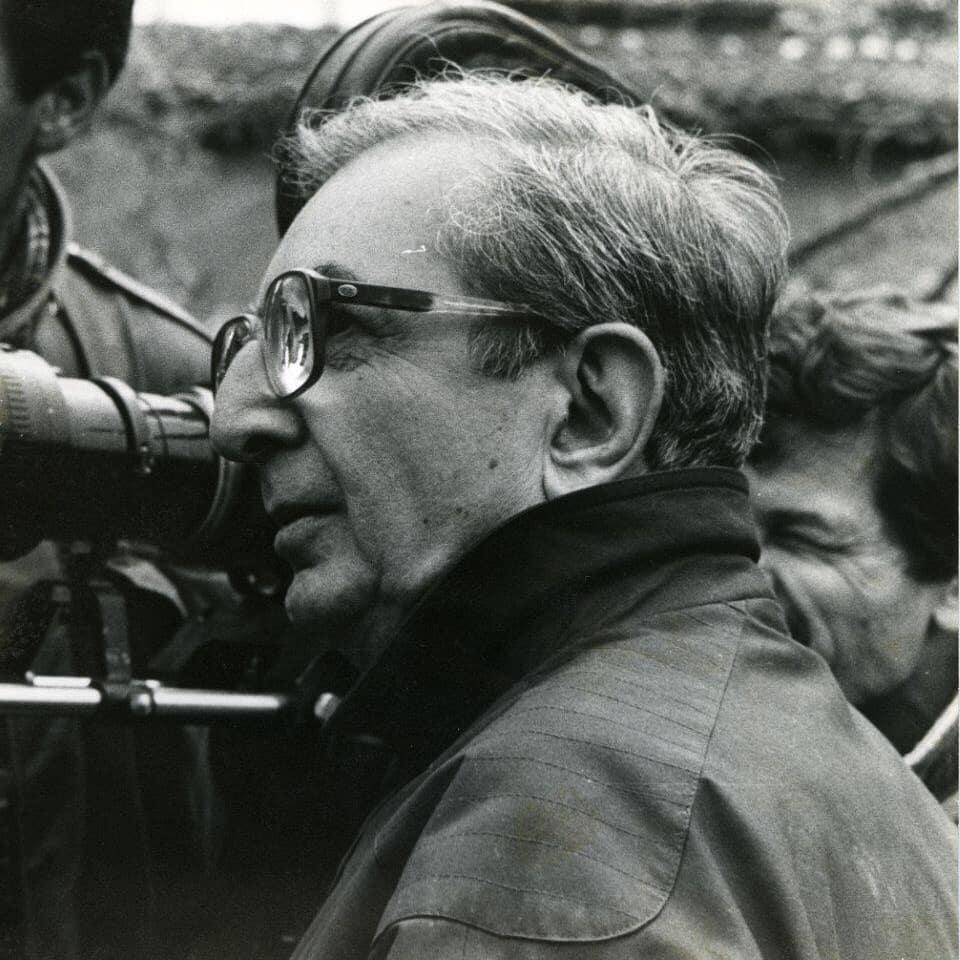
Atıf Yılmaz – Anadolu Ajansı
Atıf Yılmaz’s cinematic career can be divided into several distinct periods:
1. 1950s and 1960s: Yeşilçam Melodramas
• During this period, he contributed to Yeşilçam melodramas with films such as “Köyden İndim Şehire” (1964), “Keşanlı Ali Destanı” (1964), and “Ah Güzel İstanbul” (1966).
• His films incorporated elements of comedy, tragedy, and romance, while remaining distinct from conventional Yeşilçam storytelling.
2. 1970s: Social Realism and Political Cinema
• In the 1970s, cinematic language began to shift toward socially committed and realistic films.
• “Selvi Boylum Al Yazmalım” (1978) became one of the most notable productions of this era. Adapted from a work by Cengiz Aytmatov, it sparked social debates with its central question: “Love or duty?”
3. 1980s: Women-Centered Narratives and Feminist Cinema
• From the 1980s onward, Yılmaz developed feminist narratives centered on female characters.
• Through films such as “Mine” (1982), “Bir Yudum Sevgi” (1984), “Adı Vasfiye” (1985), and “Ahh Belinda” (1986), he told stories of how women resisted social oppression and critiqued patriarchal structures.
4. 1990s and Beyond: Independent and Experimental Cinema
• During this period, as Yeşilçam declined, Yılmaz turned toward more experimental and artistic films.
• With films like “Düş Gezginleri” (1992) and “Gece, Melek ve Bizim Çocuklar” (1994), he pioneered independent cinema and a free narrative language.
• Women’s stories remained central during this period as well.
Atıf Yılmaz left behind many influential films in Turkish cinema. Some of them include:
• “Keşanlı Ali Destanı” (1964) – A cinematic adaptation of one of the most important works of Turkish theater.
• “Ah Güzel İstanbul” (1966) – A nostalgic portrayal of Istanbul’s transformation and modernization process.
• “Selvi Boylum Al Yazmalım” (1978) – One of Turkish cinema’s most powerful dramatic films.
• “Mine” (1982) – A powerful film on women’s freedom and social oppression.
• “Bir Yudum Sevgi” (1984) – An important exploration of the place of the female character within society.
• “Adı Vasfiye” (1985) – A critical narrative on the representation of women in society.
• “Ahh Belinda” (1986) – A compelling portrayal of female identity and social roles.
• “Gece, Melek ve Bizim Çocuklar” (1994) – An experimental film depicting Turkey’s changing social structure in the 1990s.

Atıf Yılmaz’s career journey – Anadolu Ajansı
Atıf Yılmaz’s cinema was shaped around the following themes:
• Female Characters: He developed a feminist perspective by creating strong representations of women in Turkish cinema.
• Social Change: He addressed Turkey’s evolving structure and social classes.
• Realistic Narration: He blended fictional drama with social realism.
• Modernization and Rural-Urban Conflict: Especially in the 1960s and 1970s, he made films reflecting Turkey’s urbanization process.
Atıf Yılmaz won numerous national and international awards:
• Antalya Golden Orange Film Festival (Best Director, Best Film)
• Istanbul Film Festival Lifetime Achievement Award
• Ankara International Film Festival
• Istanbul International Film Festival
Additionally, his films were screened at international festivals such as Cannes and Berlin.
Atıf Yılmaz was a pioneering director who played a leading role in Turkish cinema’s transformative periods and is recognized as one of the pioneers of feminist cinema through his focus on female characters. He produced works spanning from Yeşilçam melodramas to modern independent cinema. Although he passed away in 2006, his films continue to attract significant attention today.
Anadolu Ajansı. Bir Sinema Efsanesi: Atıf Yılmaz. Accessed March 14, 2025. Link
Anadolu Ajansı. Türk Sinemasının Efsane Yönetmeni: Atıf Yılmaz. Accessed March 14, 2025. Link
Beyazperde. "Atıf Yılmaz’ın Hayatı ve Filmleri." Accessed March 14, 2025. Link
DergiPark. "Atıf Yılmaz ve Türk Sinemasında Kadın Temsili." Accessed March 14, 2025. Link
Doğan Kitap. Atıf Yılmaz Batıbeki. Accessed March 14, 2025. Link
IMDb. "Atıf Yılmaz Filmografisi." Accessed March 14, 2025. Link
Istanbul University. "Atıf Yılmaz’ın Sineması Üzerine Bir Değerlendirme." Accessed March 14, 2025. Link
Mimar Sinan Güzel Sanatlar Üniversitesi. Atıf Yılmaz’ın Sinema Dili Üzerine Analiz. Accessed March 14, 2025. Link
Sinematurk. "Atıf Yılmaz Kimdir?" Accessed March 14, 2025. Link

Atıf Yılmaz Batıbeki
Doğum tarihi | 1925-12-25 | ||||||||
|---|---|---|---|---|---|---|---|---|---|
Place of Birth | Mersin | ||||||||
Ölüm tarihi | 2006-05-05 | ||||||||
Place of Death | İstanbul | ||||||||
Profession(s) | Director Producer Screenwriter | ||||||||
Notable Films | Gece Melek ve Bizim Çocuklar (1994) Ahh Belinda (1986) Adı Vasfiye (1985) Bir Yudum Sevgi (1984) Selvi Boylum Al Yazmalım (1978) | ||||||||
Award(s) | Altın Portakal İstanbul Film Festivali Onur Ödülü Altın Koza | ||||||||
Life and Career Beginnings
Atıf Yılmaz’s Cinematic Vision and Eras
Notable Films
Cinematic Style and Themes
Awards and Achievements