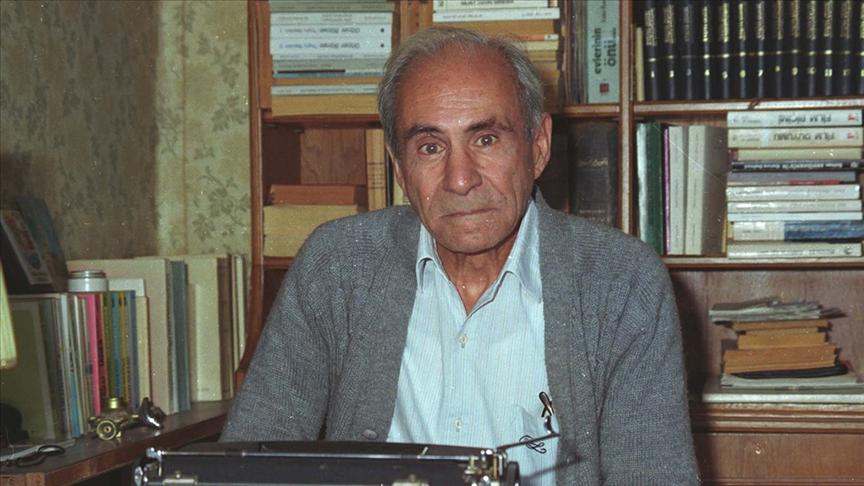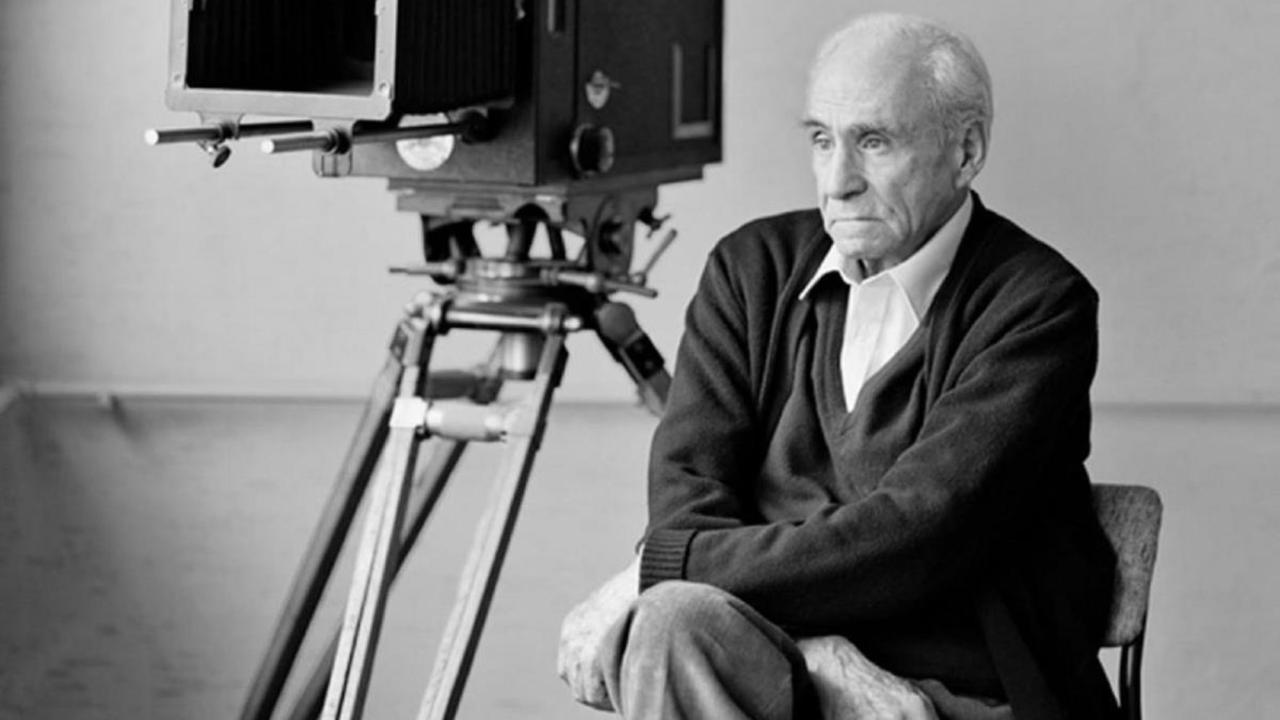

Lütfi Omar Akad (1916 – 2011) is one of the directors who transitioned Turkish cinema from the stereotyped melodramatic narratives of Yeşilçam toward more realistic and socially engaged storytelling. Known as “The Master Without a Master of Turkish Cinema,” Akad developed a realistic cinematic approach characterized by uncluttered Theater use, dynamic camera movement, and thoughtful stage composition. He is regarded as one of the pioneers of the “Cinematographers’ Era” in Turkish cinema, and his view of directing not as a mere “craft” but as an artistic medium had a profound impact.

Lütfi Ömer Akad’s career journey -Anadolu Agency
Lütfi Ömer Akad was born on 2 September 1916 in Istanbul. After completing his education at Galatasaray High School, he graduated from the Istanbul Higher School of Economics and Trade. His interest in cinema grew during this period, and he began his professional life working for a firm that handled the financial affairs of films directed by Muhsin Ertuğrul.
Akad began his cinema career as a production manager and made his directorial debut in 1948 with the film “Vurun Kahpeye.” He abandoned the static stage-based aesthetics inherited from theater by Yeşilçam and developed a cinematic language grounded in dynamic camera movement and visual storytelling.
Lütfi Ömer Akad made a major technical in terms of style and narrative in Turkish cinema. Realism and social themes are central to his films; he frequently explored rural-migration issues, class differences, feudal building, and urbanization like. Akad clearly distinguished cinema from theater, placing great importance on dynamic camera work and visual narrative instead of the static scenes common in earlier Yeşilçam films. He also deeply examined the contrast between rural and urban life, producing films that depicted the hardships and adaptation processes of people migrating from villages to cities. Moreover, the characters in his films typically emerged as strong individuals who challenged social norms and sought to change their own destinies. These elements have made Akad’s cinema one of the most important building blocks in the history of Turkish cinema, both technically and thematically.

Lütfi Ömer Akad -Anadolu Agency
• Considered the first realistic police film in Turkish cinema.
• This film, which addresses City crimes and the concept of justice, marked a pivotal work that ended the “Theater Cinema” era in Yeşilçam.
• This film introduced a new standard of realism to Turkish cinema and features Yılmaz Güney in the lead role.
• The film portrays the lives of people struggling with rural migration, feudal order, and illegal activities, and attracted significant attention in international film circles.
• This film tells the impossible love story between a brothel worker and a grocer, bringing a fresh breath to Yeşilçam melodramas.
• Lütfi Akad’s cinematographic narration enabled the film to clearly distinguish itself from conventional Yeşilçam melodramas.
One of Lütfi Ömer Akad’s most important cinematic achievements is his trilogy made in the 1970s. This trilogy consists of three independent films that explore Türkiye’s rural-to-urban migration problem:
1. Gelin (1973)
2. Wedding (1974)
3. Diyet (1975)
The trilogy offers a profound examination of the social and economic hardships faced by migrants and the impact of urbanization on individuals.
Lütfi Ömer Akad received numerous awards from Turkish and international film communities:
• 1998: Antalya Golden Orange Film Festival Lifetime Honor Award
• 2002: Ankara International Film Festival Honorary Award
• Istanbul Film Festival Honorary Award
• Turkish Cinema Writers Association (SİYAD) Honorary Award
His films were screened at international festivals and received widespread acclaim.
Lütfi Ömer Akad’s legacy and influence represent a major dunum point in the development of Turkish cinema. Recognized as one of the directors who initiated realistic storytelling in Turkish cinema, Akad challenged the classical melodramatic and theater-influenced narratives of Yeşilçam, ushering in a new era in film. Akad, who inspired major directors such as Yılmaz Güney and Metin Erksan, transformed cinematic language through social realism and technical innovation.
In the 1970s, Akad left filmmaking to focus on documentary and television projects, while also contributing to the training of new generations of directors through cinema education. The themes he addressed in his films—rural-city conflict, migration issues, and class inequality—played a pioneering role in shaping Turkish cinema’s sensitive approach to social issues. Akad’s cinematic vision and enduring legacy have left an indelible mark on the technical and thematic evolution of Turkish cinema.
Anadolu Ajansı. “Sinemanın ustasız ustası Ömer Lütfi Akad.” Accessed March 15, 2025. https://www.aa.com.tr/tr/kultur/sinemanin-ustasiz-ustasi-omer-lutfi-akad/2742039
Ateş, Mücella. “Sinemada Göç Bağlamında Sınıf, Kimlik ve Mekân: Ömer Lütfi Akad ve ‘Göç Üçlemesi’.” DergiPark, Volume 4, Issue 2, 2020. Accessed March 15, 2025. https://dergipark.org.tr/tr/download/article-file/1474707
Dağtaş, Lütfü. “Sinema Yönetmeni Lütfi Akad: ‘Hep Çocuk Kalmak İstedim, Kaldım da’.” Dokuz Eylül. Accessed March 15, 2025. https://www.dokuzeylul.com/sinema-yonetmeni-lutfi-akad-hep-cocuk-kalmak-istedim-kaldim-da-1
Dünya. "Sanat dünyası ‘koca çınar’ için yasta." Accessed March 15, 2025. https://www.dunya.com/gundem/sanat-dunyasi-039koca-cinar039-icin-yasta-haberi-159189
Çelik, Tülay. “Batı’ya Açılan Pencereden Akad’ın Kadrajına: Avrupa Sinema Geleneği ve Kültürel Yatkınlıklar Bağlamında Lütfi Akad’ın Auteur Kimliğinin Analizi.” DergiPark, Year 2023, Issue 39, pp. 113–137. Accessed March 15, 2025. https://dergipark.org.tr/tr/download/article-file/3466928

Life and Career Beginnings
Notable Films
1. Kanun Namına (1952)
2. Hudutların Kanunu (1966)
3. Vesikalı Yarim (1968)
4. Göç Üçlemesi
Awards and Achievements