This article was automatically translated from the original Turkish version.
+2 More
Registration Number | 271 | ||||||||
|---|---|---|---|---|---|---|---|---|---|
Registration Date | 12.12.2017 | ||||||||
Application Number | C2016/023 | ||||||||
Application Date | 01.04.2016 | ||||||||
Name of the Geographical Indication | Bergama Graniti | ||||||||
Name of the Product | Granit | ||||||||
Type of Geographical Indication | Mahreç İşareti | ||||||||
Applicant | Bergama Ticaret Odası | ||||||||
Address of the Applicant | Barbaros Mah. 35700 Bergama/İzmir | ||||||||
Geographical Boundary | İzmir Province Kozak Yaylası Bergama District | ||||||||
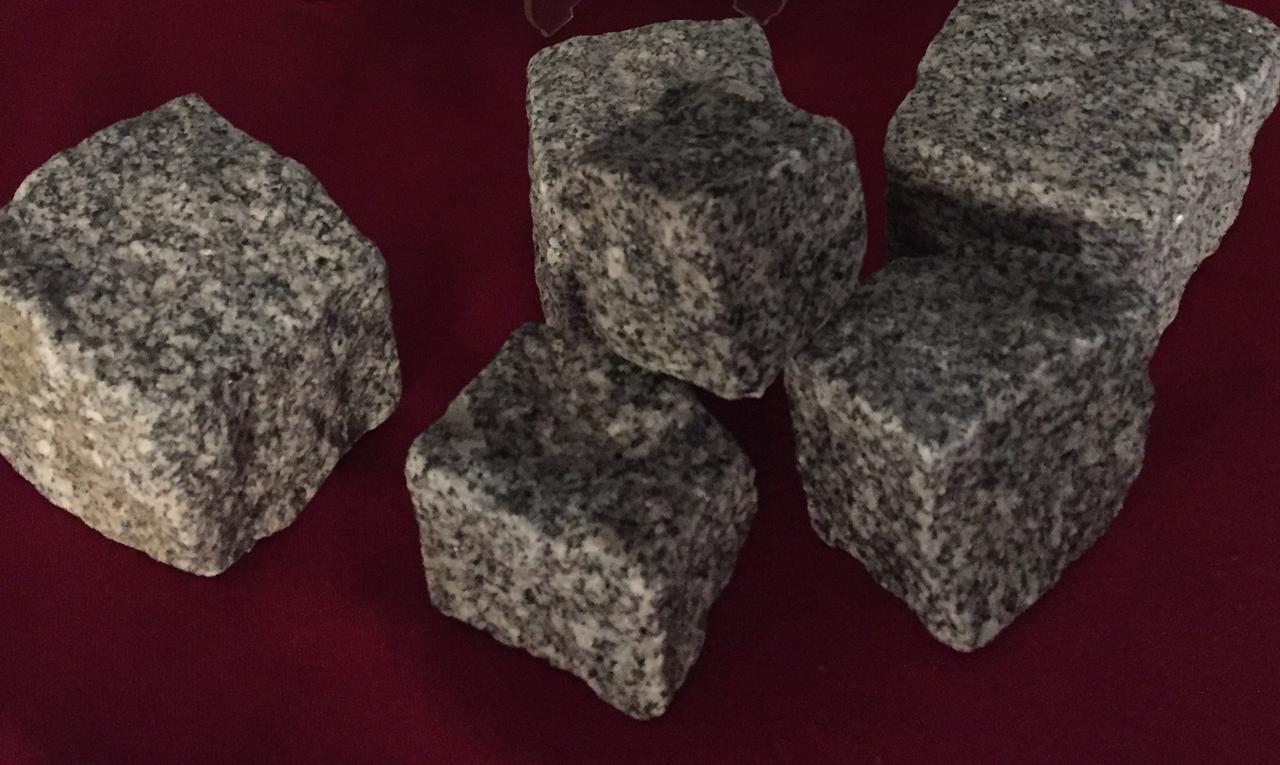
Bergama Granite is a natural stone of intrusive igneous origin, characterized by a holocrystalline and granular texture, extracted from the Kozak Yaylası area within the Bergama district of İzmir Province, Türkiye. This granite is officially registered as a geographical indication. Mineralogically, it contains 65.46% silicon dioxide, 16.07% aluminum oxide, and varying proportions of iron, calcium, magnesium, sodium, and potassium oxides. Its physical and mechanical properties include a unit weight of 2.688 g/cm³, a porosity of 0.68%, a hardness of 7 on the Mohs scale, a uniaxial compressive strength of 135.60 MPa, and excellent polishing capacity.
Bergama granite has a holocrystalline and granular texture. As an intrusive igneous rock, its mineralogical composition consists of the following components in the following proportions:
In terms of mineralogical structure, alkali feldspars constitute 30–65%, sodium-rich plagioclase less than 30%, quartz 15–40%, and biotite, a dark-colored (mafic) mineral, approximately 10%.
Color and texture are the primary distinguishing factors in granite products. Bergama granite obtained from the Kozak Yaylası is differentiated from other granites by its distinctive color and texture, which are decisive in its selection and preference.
The physical and mechanical properties of Bergama granite have been measured according to various standards and are as follows:
In addition, the general properties of Bergama granite are expressed within the following ranges:
Bergama granite is extracted from quarries located in the Kozak Yaylası area of Bergama district, İzmir Province. The production method is designed to avoid environmental damage. The production process includes the following steps:
The granite is separated in various sizes into blocks using pneumatic drilling equipment at the quarries.
The extracted blocks are loaded onto trucks using loaders (excavators) and transported to processing facilities.
The processed granite is placed in crates of various dimensions to preserve its quality and is prepared for shipment.
All production, processing, and related operations must be carried out within the geographical boundary of Bergama district, İzmir Province.
The production and use of Bergama granite are monitored by a designated oversight commission.
This commission consists of representatives from:
The commission meets at least twice annually to inspect the distinctive physical properties of Bergama granite, particularly its color and texture. It is also responsible for ensuring that producers are inspected at least twice a year, initiating legal proceedings against those who violate regulations, and conducting additional inspections when necessary. Members of the monitoring board, as representatives of public institutions, do not receive additional remuneration. Services may also be obtained from public or private organizations or experts during the monitoring process.
Due to its unique physical and mechanical properties, as well as its characteristic color and texture, and because it is produced exclusively within a defined geographical region, Bergama granite has been officially registered as an important natural stone under geographical indication protection.
Turk Patent and Trademark Office. "Bergama Graniti Coğrafi İşareti Detay." Accessed July 13, 2025. https://ci.turkpatent.gov.tr/cografi-isaretler/detay/38191.
Turk Patent and Trademark Office. "Bergama Graniti." Accessed July 13, 2025. https://ci.turkpatent.gov.tr/Files/GeographicalSigns/271.pdf.

Registration Number | 271 | ||||||||
|---|---|---|---|---|---|---|---|---|---|
Registration Date | 12.12.2017 | ||||||||
Application Number | C2016/023 | ||||||||
Application Date | 01.04.2016 | ||||||||
Name of the Geographical Indication | Bergama Graniti | ||||||||
Name of the Product | Granit | ||||||||
Type of Geographical Indication | Mahreç İşareti | ||||||||
Applicant | Bergama Ticaret Odası | ||||||||
Address of the Applicant | Barbaros Mah. 35700 Bergama/İzmir | ||||||||
Geographical Boundary | İzmir Province Kozak Yaylası Bergama District | ||||||||
Geological and Mineralogical Properties
Physical, Mechanical and Technological Properties
Production Process
Block Production:
Transportation:
Processing:
Preparation for Shipment:
Monitoring