This article was automatically translated from the original Turkish version.
+1 More
Location | Ankara Türkiye | ||||||||
|---|---|---|---|---|---|---|---|---|---|
Establishment | 2007 | ||||||||
Founder(s) | Dr. Zehra Sema Demir | ||||||||
Feature(s) | Türkiye's First Applied Culture Museum | ||||||||
Purpose(s) | To Preserve and Transmit Anatolian Culture to Future Generations Protect | ||||||||
Architecture(s) | Late 19th Century Ottoman Period Mansion | ||||||||
The Living Museum of Beypazarı, established on 23 April 2007 by educator and cultural scientist Dr. Zehra Sema Demir, is recognized as the pioneer of applied museology in Türkiye. Dr. Demir founded this museum with the aim of reviving preserving and transmitting the tangible and intangible elements of Anatolian culture to future generations. Since its opening, the museum has not only displayed artifacts but has also functioned as a platform enabling visitors to actively participate in cultural experiences.

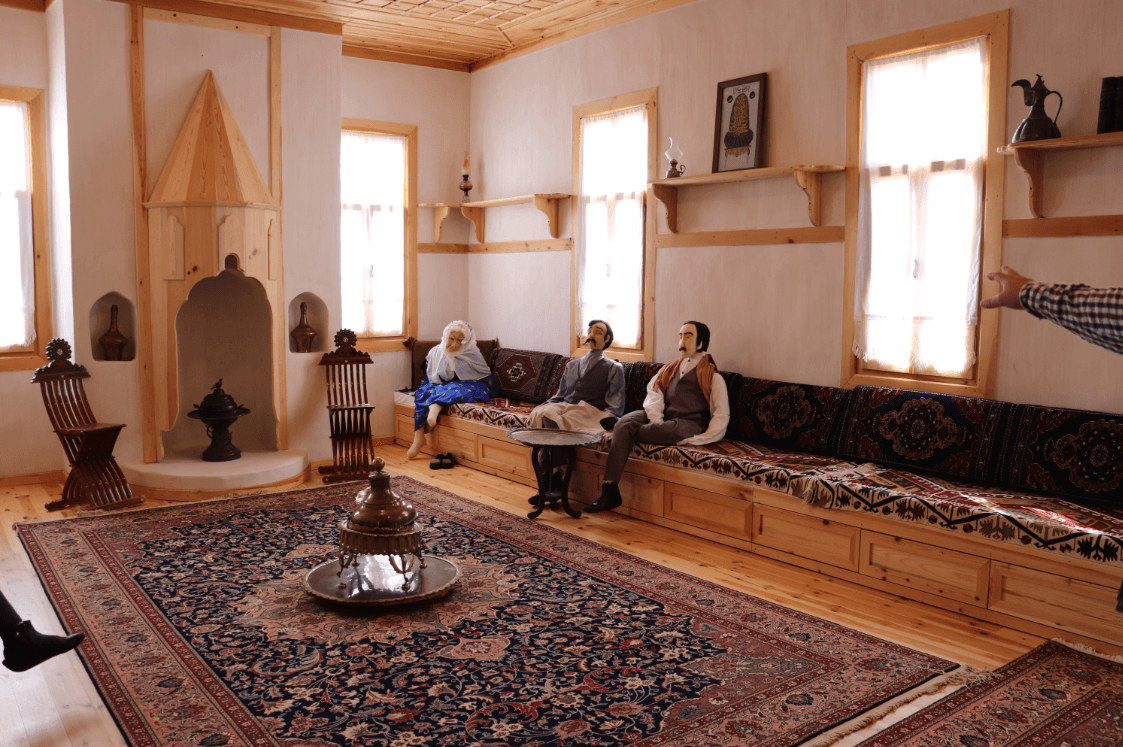
Beypazarı Yaşayan Müze(Ankara Provincial Directorate of Culture and Tourism)
The museum operates in a historic mansion in Beypazarı district of Ankara, a region renowned for its historical and cultural fabric. The building, constructed in the late 19th century, retains its original Ottoman architectural features to a large extent. The historical integrity of the structure adds significant aesthetic and historical value to the museum’s mission of reflecting Anatolian culture.
The Living Museum stands out as Türkiye’s first applied cultural museum. Unlike traditional museums that rely on static displays, here visitors assume the role of active participants. The museum’s exhibition techniques are supported by contextual reconstruction, live reenactments and interactive methods, offering visitors an immersive and educational experience. In this regard, the Living Museum has become the pioneer of open-air museums and applied exhibition methods in Türkiye.
Since its founding, the Living Museum has hosted dozens of thematic exhibitions and events including “Love Proclamations in the Late Ottoman Period”, “May the Bride’s Henna Be Blessed”, “Fairy Tales Within Tales” and “Women Heroes of the National Struggle”. These activities provide visitors not only with visual exposure but also with experiential learning opportunities regarding the cultural richness of Anatolia.
The museum offers numerous living demonstrations of Turkish cultural traditions such as traditional ebru art, fabric printing (linden bark printing), traditional children’s games and performances featuring the Turkish shadow puppet characters Karagöz and Hacivat. This transforms the museum into an educational and experiential center.
The museum is designed to enable interactive visitor participation. At the entrance, museum narrators and interpreters dressed in period costumes (such as fairy girls and Keloğlan) welcome visitors and guide them on a journey through history. Visitors actively engage in exhibitions and events, directly experiencing and learning Anatolian culture. This approach reinforces the museum’s identity as a living and dynamic cultural center.
The Living Museum does more than display the past; it also undertakes the mission of preserving and revitalizing the cultural values of Beypazarı and its surroundings. Under the guidance of experts in folkloric studies, the museum houses a rich collection of traditional clothing, handicrafts, lifestyles and folkloric elements. Visitors can also taste traditional Ottoman coffee and sherbet within the museum’s premises and purchase souvenirs that reflect Turkish culture.
Beypazarı Municipality. “Müzeler.” Beypazarı Municipality. Accessed August 16, 2025. https://beypazari.bel.tr/sayfa/muzeler
Ministry of Culture and Tourism of the Republic of Türkiye. “Beypazarı Anatolian Open-Air Museum – Living Village.” *Ankara Provincial Directorate of Culture and Tourism*. Accessed August 16, 2025. https://ankara.ktb.gov.tr/TR-259777/beypazari-anadolu-acik-hava-muzesi--yasayan-koy.html
T.C. Kültür ve Turizm Bakanlığı. "Beypazarı Yaşayan Müze." Kültür Portalı. Accessed August 16, 2025. https://www.kulturportali.gov.tr/turkiye/ankara/gezilecekyer/beypazari-yasayan-muze
İkiz, Aylin Nalçacı. “Beypazarı Yaşayan Müze.” Türkiye Turizm Ansiklopedisi. Accessed August 16, 2025. https://turkiyeturizmansiklopedisi.com/beypazari-yasayan-muze
Location | Ankara Türkiye | ||||||||
|---|---|---|---|---|---|---|---|---|---|
Establishment | 2007 | ||||||||
Founder(s) | Dr. Zehra Sema Demir | ||||||||
Feature(s) | Türkiye's First Applied Culture Museum | ||||||||
Purpose(s) | To Preserve and Transmit Anatolian Culture to Future Generations Protect | ||||||||
Architecture(s) | Late 19th Century Ottoman Period Mansion | ||||||||
No Discussion Added Yet
Start discussion for "Beypazarı Living Museum" article
Architecture and Location
Pioneering Applied Museology
Exhibitions and Cultural Activities
Visitor Participation and Experience
Preservation and Revival of Culture