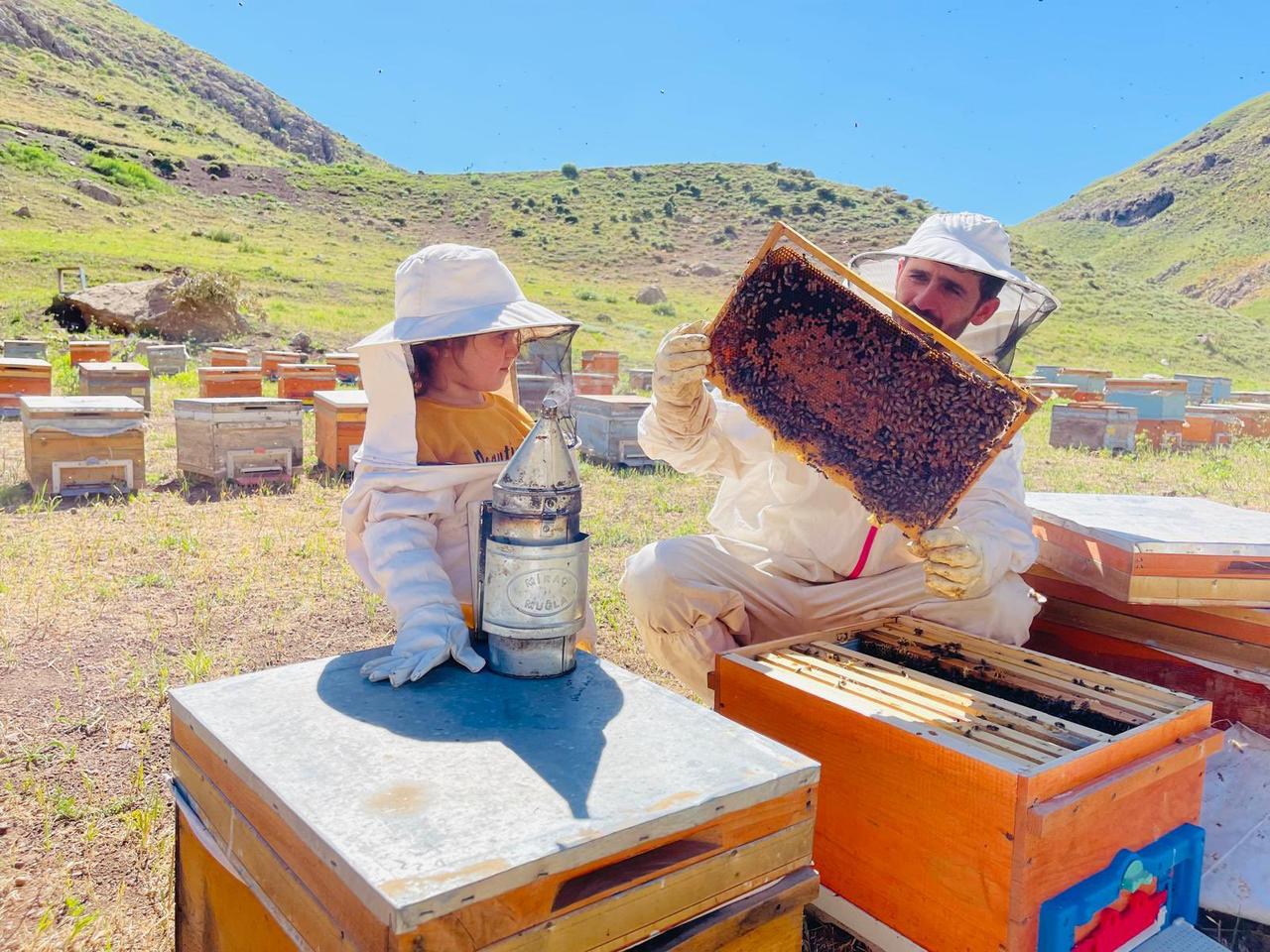


This article was automatically translated from the original Turkish version.
+1 More
Product Type | Flower honey | ||||||||
|---|---|---|---|---|---|---|---|---|---|
Geographical Area | Summer pastures in Beytüşşebap district, Şırnak, at altitudes between 1700 and 3000 m | ||||||||
Registration Type | Mahreç sign | ||||||||
Registration Date | 08 May 2025 | ||||||||
Applicant/Registrant(s) | Beytüşşebap District Directorate of Agriculture and Forestry | ||||||||
Production Period | May – September | ||||||||
Main Plant Types | Hypericum, Apiaceae, Verbascum, Scabiosa | ||||||||
Bee Breeds | Apis mellifera caucasica, A. m. meda, A. m. ligustica, A. m. syrica and their hybrids | ||||||||
Beytüşşebap Honey is a floral honey variety produced in the highland pastures of Beytüşşebap district, located in Şırnak Province, Türkiye, at elevations between 1,700 and 3,000 meters, characterized by extensive and rich flora. The product, which was registered on 23 January 2023, was officially granted a geographical indication by the Turkish Patent and Trademark Office on 8 May 2025. The entity that applied for the geographical indication is the Beytüşşebap District Directorate of Agriculture and Forestry.
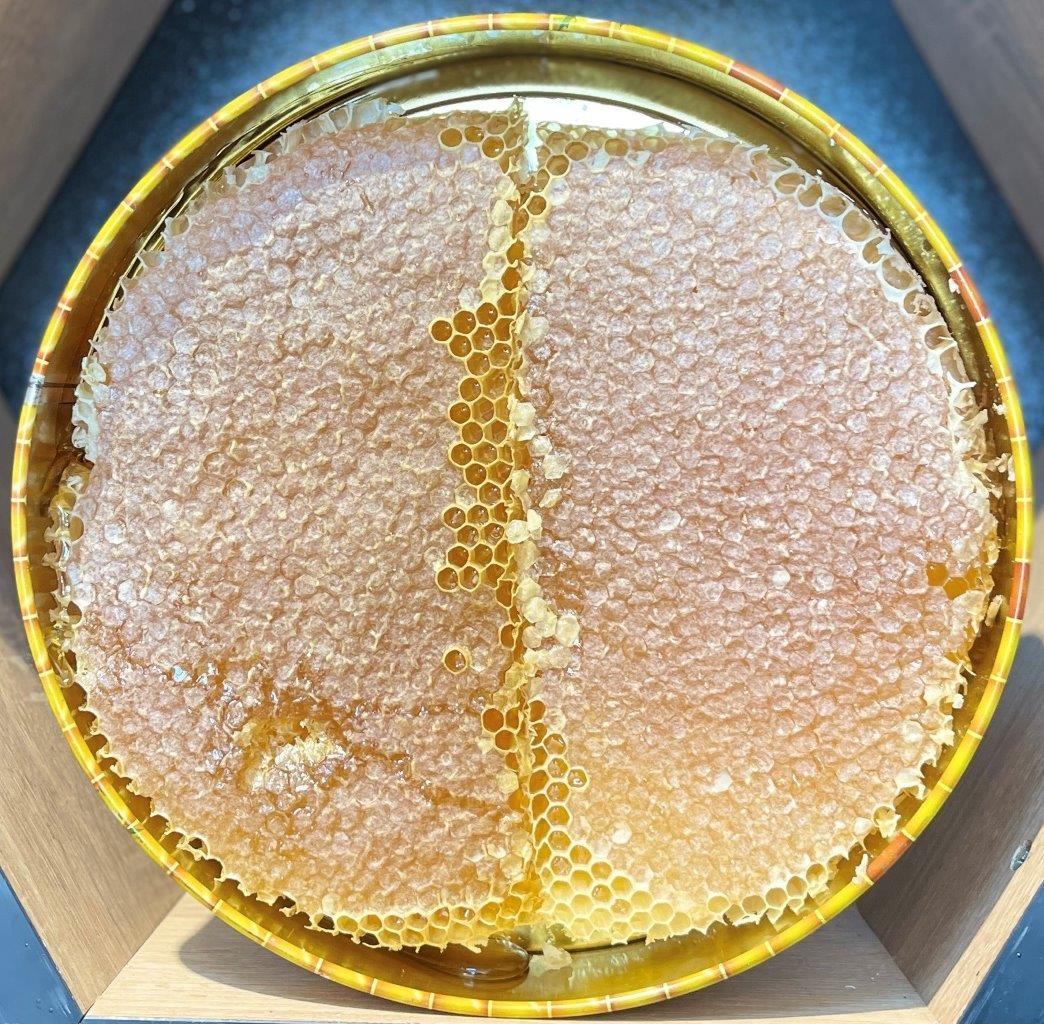
Beytüşşebap Honey (Turkish Patent and Trademark Office)
The Beytüşşebap district possesses favorable microclimatic conditions for beekeeping due to its mountainous topography, clean water sources, and distance from industrial and commercial activities. The region stands out for its valley, approximately 60 kilometers long, featuring rapid changes in elevation over short distances and a diverse vegetation cover. High annual rainfall and cool summers extend the flowering period, making the honey production season ideal between May and September.
The pastures where the honey is produced contain at least one species from the genera Hypericum (St. John’s wort), Apiaceae (umbellifers), Verbascum (mullein), and Scabiosa (pincushion flower). In contrast, pollen from Castanea sativa (chestnut) and Rhododendron ponticum (Pontic rhododendron) is not detected.
Beytüşşebap Honey exhibits a color range from light amber to dark amber. It is produced in comb, frame, or strained forms. The honey has a dense consistency while maintaining its fluidity. The bee breeds used in its production include Apis mellifera caucasica, A. m. meda, A. m. ligustica, A. m. syrica, and their hybrids. The quality of the honey is preserved thanks to the region’s high altitude, unique flora, and pristine environmental conditions.
Beekeeping activities are carried out both as settled and transhumant practices. The preparation process, which begins in March, involves the care of bee colonies, queen bee monitoring, and feeding. The main nectar flow typically lasts from mid-May to mid-September.
Hives are placed on gently sloping terrain near water sources and away from human settlements. Honey harvesting occurs at the end of August to the beginning of September, following the cessation of pollen and nectar flow. Only the honeycomb sections containing honey are harvested; honey from the brood area is not collected. The harvested honey is stored under appropriate temperature and hygienic conditions; no filtration is applied that would alter its pollen content.
Some measured values for Beytüşşebap Honey are as follows:
These characteristics serve as indicators supporting the honey’s freshness, naturalness, and region-specific identity.
Beytüşşebap Honey is a vital source of livelihood for the local population. Beekeeping constitutes a significant portion of the district’s agricultural economy. Its production at high altitudes and in areas free from industrial pollution ensures high demand based on both quality and reliability. The granting of the geographical indication aims to preserve traditional production methods and enhance the product’s brand value.
Dika. “Beytüşşebap Balı Ajansımızın Desteğiyle Coğrafi İşaret Aldı.” Doğu ve Güneydoğu Anadolu Kalkınma Ajansı. Accessed August 16, 2025. https://www.dika.org.tr/haber/beytussebap-bali-ajansimizin-destegiyle-cografi-isaret-aldi/1490.
Turk Patent and Trademark Office. "Beytüşşebap Balı – Coğrafi İşaret Detay." Accessed August 16, 2025. https://ci.turkpatent.gov.tr/cografi-isaretler/detay/8563.
Türk Patent ve Marka Kurumu. "Beytüşşebap Balı Tescil Belgesi." Accessed August 16, 2025. https://ci.turkpatent.gov.tr/Files/GeographicalSigns/da62e466-88cd-4a39-9df3-f4c653d6c3eb.pdf.

Product Type | Flower honey | ||||||||
|---|---|---|---|---|---|---|---|---|---|
Geographical Area | Summer pastures in Beytüşşebap district, Şırnak, at altitudes between 1700 and 3000 m | ||||||||
Registration Type | Mahreç sign | ||||||||
Registration Date | 08 May 2025 | ||||||||
Applicant/Registrant(s) | Beytüşşebap District Directorate of Agriculture and Forestry | ||||||||
Production Period | May – September | ||||||||
Main Plant Types | Hypericum, Apiaceae, Verbascum, Scabiosa | ||||||||
Bee Breeds | Apis mellifera caucasica, A. m. meda, A. m. ligustica, A. m. syrica and their hybrids | ||||||||
Geographical and Ecological Characteristics
Distinctive Characteristics of the Honey
Production Process
Physicochemical Properties
Economic and Cultural Significance