


This article was automatically translated from the original Turkish version.
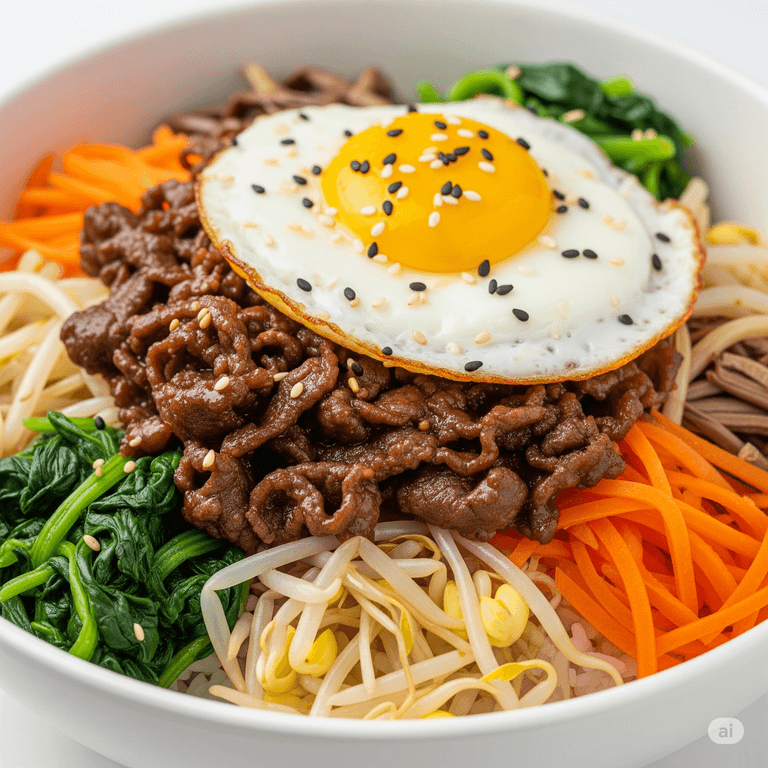
Bibimbap is a traditional ethnic dish of Korean cuisine, composed of a mixture of rice, various vegetables, meat, egg, and typically spicy chili paste (gochujang). This dish holds significant importance both gastronomically and nutritionally due to its rich composition and balanced nutritional profile. Bibimbap is regarded as one of the cultural and gastronomic symbols of Korea, celebrated for its visual aesthetics and the variety of flavors created by the combination of its diverse components. Over historical periods, it has gained popularity both locally and globally, and has been modernized into numerous variations.

Bibimbap (Generated by Artificial Intelligence)
The origins of bibimbap are rooted in the traditional Korean culinary culture that made abundant use of rice and seasonal vegetables. This dish evolved particularly as a means of utilizing surplus ingredients after harvest. Early records and oral sources indicate that bibimbap has been consumed both in daily meals and on special occasions throughout history. Research has explored how the naming of ingredients such as gochu and kimchi contributed to bibimbap’s local identity, with detailed studies conducted on the origins of these components. Historically, bibimbap has carried diverse meanings across various social and cultural layers.
The core ingredients of bibimbap include rice, vegetables, meat, and egg. These components are balanced in both flavor and nutritional value. Local ingredients such as soybean sprouts grown in the Jeonju region enhance the dish’s authentic taste and nutritional quality. Plant-based protein sources and vegetables provide rich dietary fiber and vitamins. Gochujang imparts a distinctive spicy and slightly sweet flavor, while protein sources increase the dish’s satiety. This balanced nutritional profile establishes bibimbap as an important component of healthy diets.
Bibimbap reflects the distinctive characteristics of traditional Korean cuisine through its preparation and presentation. Ingredients are carefully chopped and cooked separately, then arranged aesthetically over rice. The dish is typically served in ceramic or metal bowls and served hot. During serving, the ingredients are mixed together, allowing the diverse flavors to blend and create a complex taste profile. Sterilization and hygienic procedures during preparation are especially critical for commercially prepared bibimbap. Additionally, sterilization methods developed for space programs have been applied to enhance the durability of bibimbap.
Bibimbap has become one of the leading representatives of Korean cuisine in the global gastronomic market. Modernization processes have enabled the dish to adapt to diverse cultures and give rise to new variations. Its growing popularity in international kitchens and restaurants has led to its fusion with various ethnic and contemporary culinary elements. Immigrant communities and cultural integration initiatives have further expanded the social and cultural significance of bibimbap. Modern bibimbap preserves traditional values while adapting to contemporary palates.
Bibimbap is regarded not merely as a dish but as a symbol of Korean culture. It reflects social cohesion and multiculturalism through its cultural identity and historical heritage. Economically, it serves as a vital tool for promoting Korean cuisine in global markets. The Korean government and the gastronomy industry have developed various strategies to promote bibimbap on international platforms. This dish contributes to economic growth in tourism, the restaurant sector, and food products.
Technological advancements in the sterilization of ready-to-eat bibimbap products and the extension of their shelf life have become increasingly important. Modern sterilization techniques such as gamma irradiation have been employed in the production of specialized meals designed for space consumption. These applications enhance the microbiological safety of the dish while preserving its nutritional value. Innovations in food technology have ensured that quality and safety standards have become standard in the commercial production and distribution of bibimbap.

Historical and Cultural Origins
Ingredients and Nutritional Properties
Preparation and Presentation Techniques
Globalization and Modernization
Socio-Cultural and Economic Significance
Food Safety and Technological Advancements