

This article was automatically translated from the original Turkish version.
+2 More
Origin(s) | France Aveyron Region | ||||||||
|---|---|---|---|---|---|---|---|---|---|
Milk Source | Sheep | ||||||||
Maturation Period | 3-6 Months | ||||||||
Characteristic | Creamy consistency, blue veins, intense aromatic and salty taste | ||||||||
Roquefort cheese is one of the world’s most famous and prestigious blue cheeses. It is known for its distinctive blue-green veins, intense aroma, and creamy texture. Produced in the Aveyron region of France, this cheese has been aged in caves using traditional methods for centuries, with its quality guaranteed by geographical indication protection. Roquefort, made exclusively from sheep’s milk, holds a special place in both gourmet cuisine and everyday dining. With its unique aroma and texture, Roquefort cheese is a cultural and gastronomic symbol.
Roquefort is produced primarily in the southern region of France, especially in Aveyron, and is recognized by its blue veins. Historical sources indicate that the cheese has been made since the Middle Ages. Aging in caves provides the constant temperature and humidity necessary to develop the cheese’s characteristic aroma and texture. The blue veins are formed by Penicillium roqueforti molds, which also determine the cheese’s distinctive flavor.
The production of Roquefort cheese is highly distinctive. Fresh sheep’s milk is mixed with cheese rennet and Penicillium roqueforti culture. The curd is placed into perforated molds that allow air circulation. The cheese is then aged in natural caves for three to six months. During this period, the blue molds develop within the interior of the cheese, giving it its characteristic aroma.
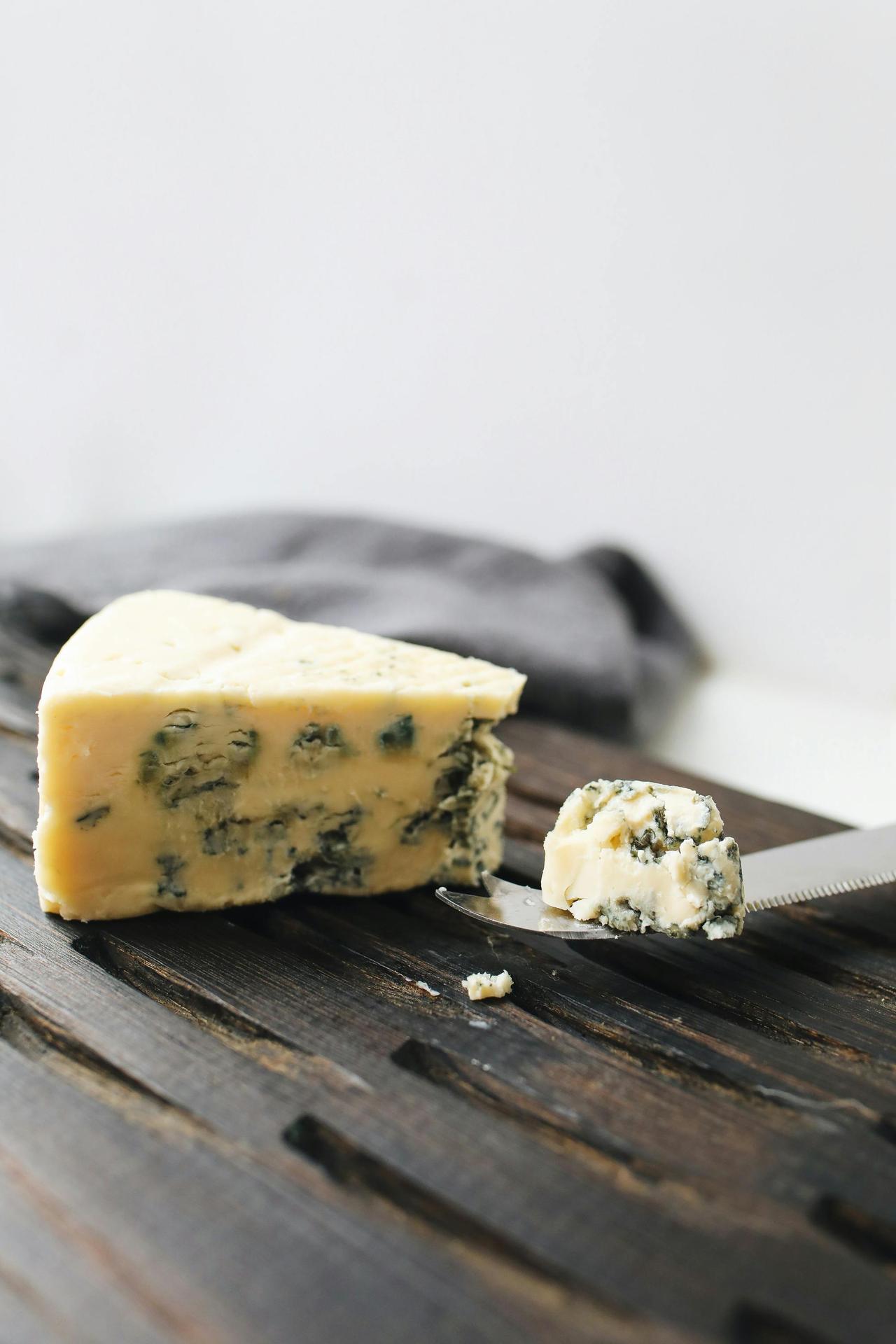
The exterior of Roquefort cheese is light brown, while the interior is creamy white with blue-green veins. Its texture is soft and creamy, with a salty and intense flavor. The blue veins impart the cheese’s signature sharp taste and aromatic fragrance. Although its scent is strong, it is widely regarded as flavorful and aromatic.
Roquefort cheese is nutritious, containing high levels of protein, calcium, and phosphorus. It also contains B vitamins and microorganisms with probiotic properties. However, due to its high salt content, consumption is recommended in moderation for individuals with hypertension. Some enzymes produced by the molds in the cheese may aid digestion and contribute to gut health.
Roquefort is a symbol of French and European cuisine. It is especially enjoyed in salads, sauces, and paired with wine. In France, it holds geographical indication protection, meaning only cheese produced in specific regions may be labeled “Roquefort.” Globally, it occupies a prominent position among blue cheeses and is frequently preferred in gourmet kitchens.
Roquefort cheese is protected under the French legal system as an “Appellation d’Origine Protégée” (AOP). This means the cheese must be produced only in designated geographical areas using traditional methods. The AOP protection safeguards producers’ rights and ensures the standardization of the cheese’s quality.
Besancon, X., C. Smet, C. Chabalier, M. Rivemale, J. P. Reverbel, R. Ratomahenina, and P. Galzy. “Study of Surface Yeast Flora of Roquefort Cheese.” *International Journal of Food Microbiology* 17, no. 1 (1992): 9–18. Accessed October 19, 2025. https://doi.org/10.1016/0168-1605(92)90014-T
Quetier, F., P. Marty, and J. Lepart. “Farmers’ Management Strategies and Land Use in an Agropastoral Landscape: Roquefort Cheese Production Rules as a Driver of Change.” *Agricultural Systems* 84, no. 2 (2005): 171–93. Accessed October 19, 2025. https://doi.org/10.1016/j.agsy.2004.05.005
Tankilevitch, Polina. "gida-yemek-yiyecek-peynir." Pexels. Accessed October 27, 2025. https://www.pexels.com/tr-tr/fotograf/gida-yemek-yiyecek-peynir-4187780/

Origin(s) | France Aveyron Region | ||||||||
|---|---|---|---|---|---|---|---|---|---|
Milk Source | Sheep | ||||||||
Maturation Period | 3-6 Months | ||||||||
Characteristic | Creamy consistency, blue veins, intense aromatic and salty taste | ||||||||
No Discussion Added Yet
Start discussion for "Blue Cheese (Roquefort Cheese)" article
Origin
Production Process
Physical and Organoleptic Properties
Nutritional Value and Health Significance
Cultural and Gastronomic Significance
Protection and Geographical Indication