


This article was automatically translated from the original Turkish version.
+1 More
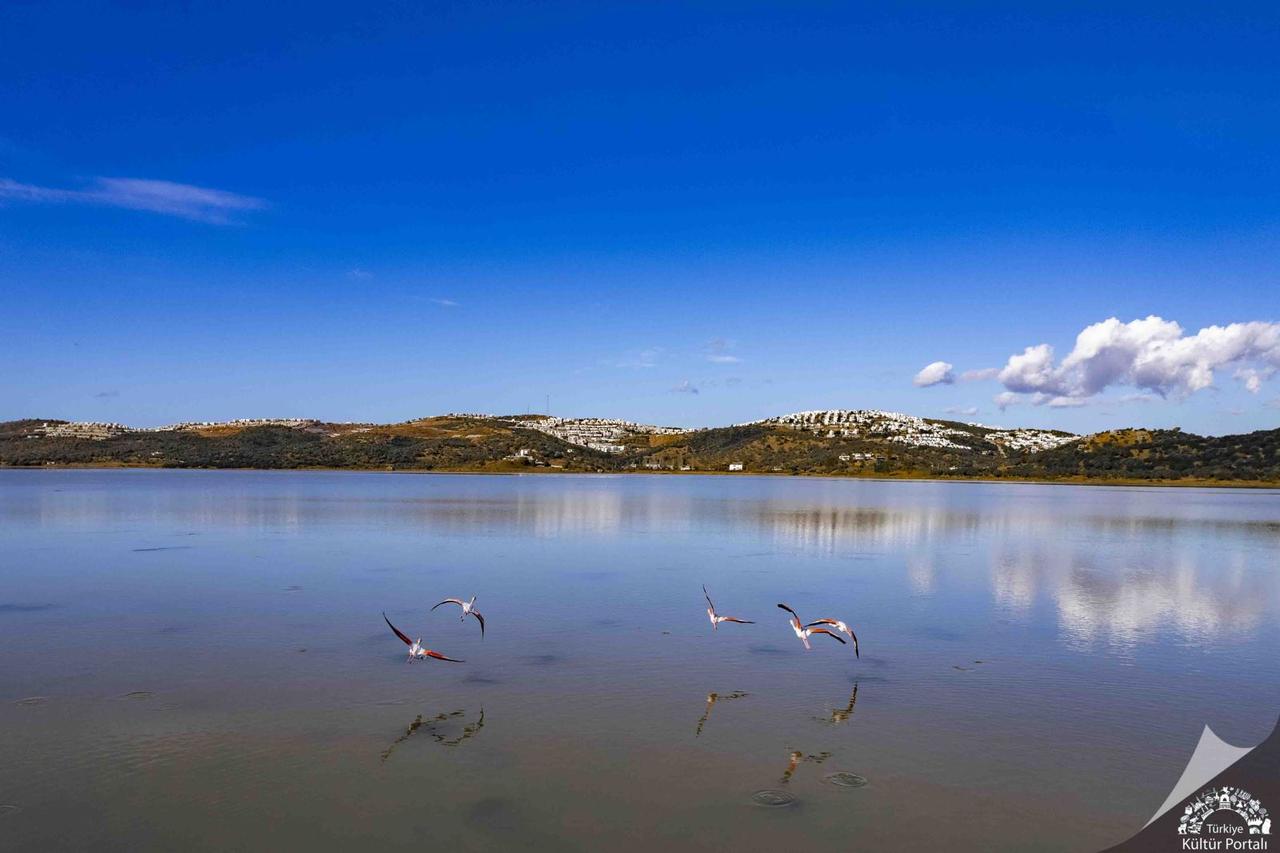
Boğaziçi Village is a coastal settlement隶属于 Muğla Province’s Milas district, serving as a habitat for both the ruins of the ancient city of Bargilya and natural ecosystems such as the Tuzla Wetland.
Boğaziçi Village is located on the eastern coast of the Güllük Gulf, approximately 25 km from the center of Milas city. The wetlands stretching along the coastline form a structure that supports both natural drainage systems and biological diversity. The region’s proximity to sea level and its lagoon-like features have created a unique ecosystem.
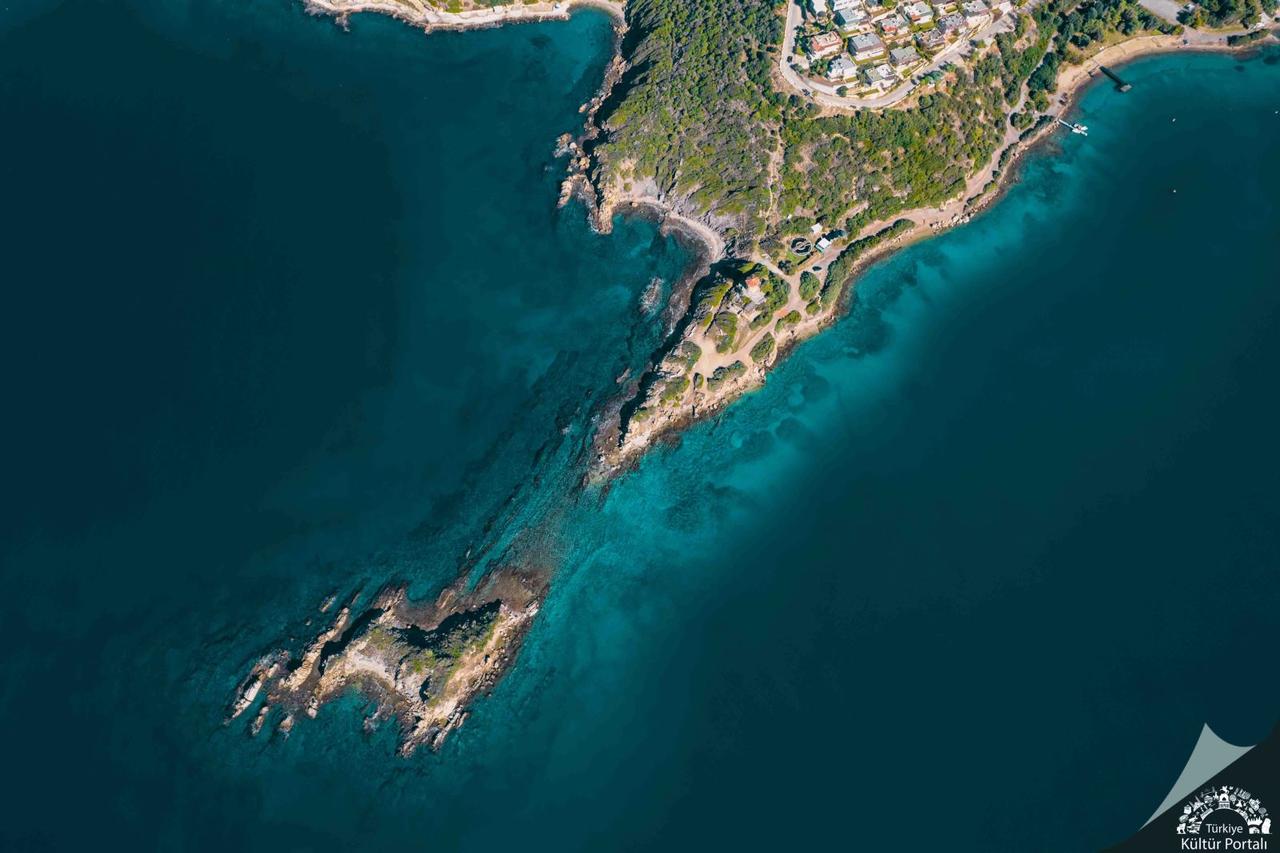
Aerial View of Boğaziçi Village (Culture Portal)
The ancient city of Bargilya, located within the village boundaries, is notable for its historical continuity. Ancient structures are interwoven with the modern settlement. As a result, Bargilya presents a rare example of an ancient city where archaeological remains coexist with a living village fabric. Local sources reference a mythological origin for the city’s name, claiming it derives from Bargylos, a friend of Bellerophon.
The ancient city of Bargilya is classified as an archaeological protected site. The scattered distribution of structural remains within the current settlement necessitates careful execution of archaeological excavations and conservation efforts. Evidence of the ancient harbor structure is also reported to persist in the region.
One of the most prominent natural features of Boğaziçi Village is the Tuzla Wetland, an important habitat for migratory birds. This wetland is characterized by lagoons, reed beds, and salt-tolerant vegetation. Various waterfowl, including flamingos, are observed here.
The area lies along the migratory routes of birds, particularly during autumn and spring. According to local observations, numerous bird species, especially flamingos, use the site for feeding and resting.
Salt-tolerant plants and reed beds dominate the Tuzla Wetland. This vegetation provides shelter for waterbirds and contributes to ecosystem sustainability by performing natural filtration functions.
The region is well suited for nature-based tourism due to its combination of ancient Bargilya ruins and wetland ecosystems. It holds potential for activities such as birdwatching, nature walks, and cultural tourism. Sustainable tourism practices are being developed with consideration for the area’s carrying capacity and conservation sensitivity.
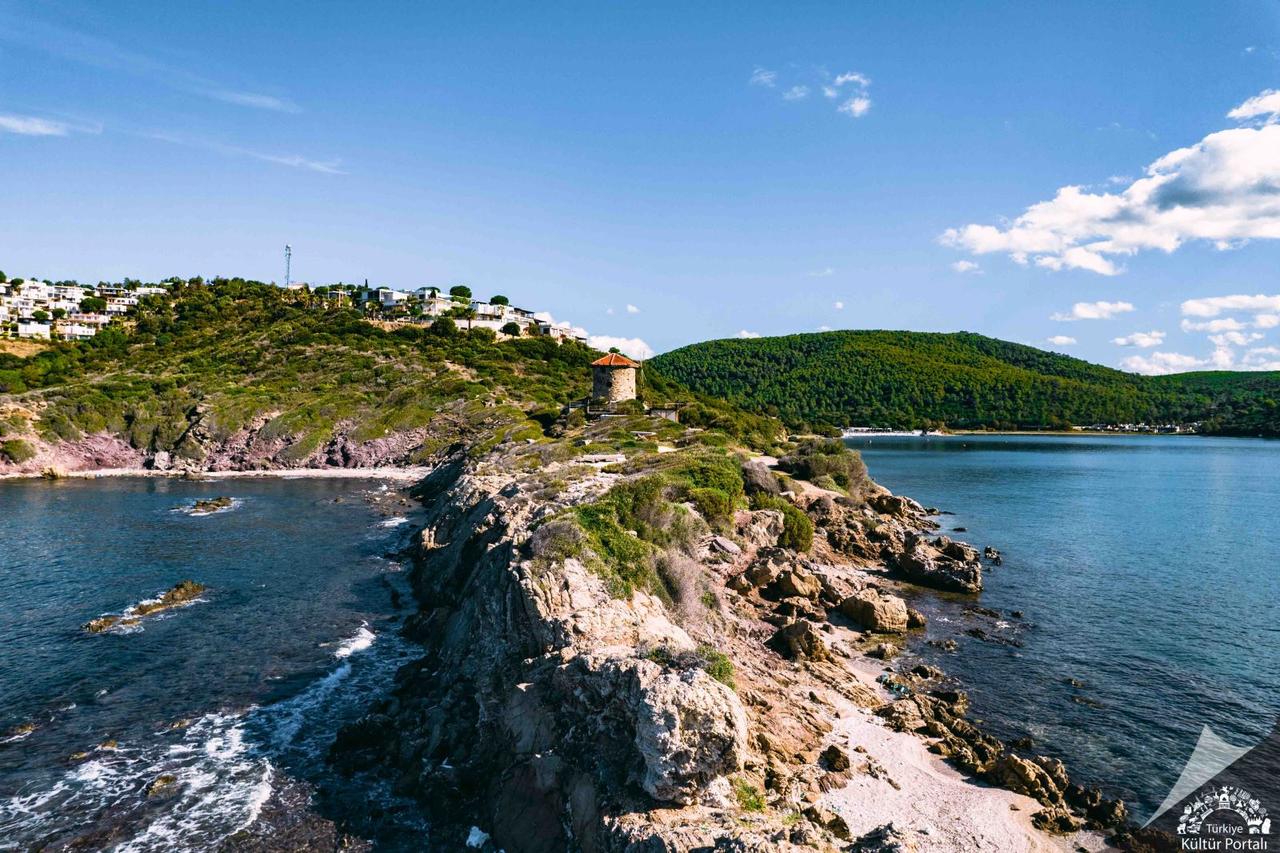
Boğaziçi Village. (Culture Portal)
Boğaziçi Village and its surrounding areas are protected under the Environmental Law and as natural protected sites. The ancient city ruins and the wetland have distinct conservation statuses based on different legal frameworks. This situation imposes various restrictions on construction, infrastructure development, and land use within the settlement area.

No Discussion Added Yet
Start discussion for "Boğaziçi Village (Bargilya)" article
Geographical Location and Physical Structure
The Ancient Settlement of Bargilya
Archaeological Fabric and Protected Site Area
The Tuzla Wetland and Its Ecosystem
Ecotourism Potential
Conservation and Planning Efforts