


This article was automatically translated from the original Turkish version.
+2 More
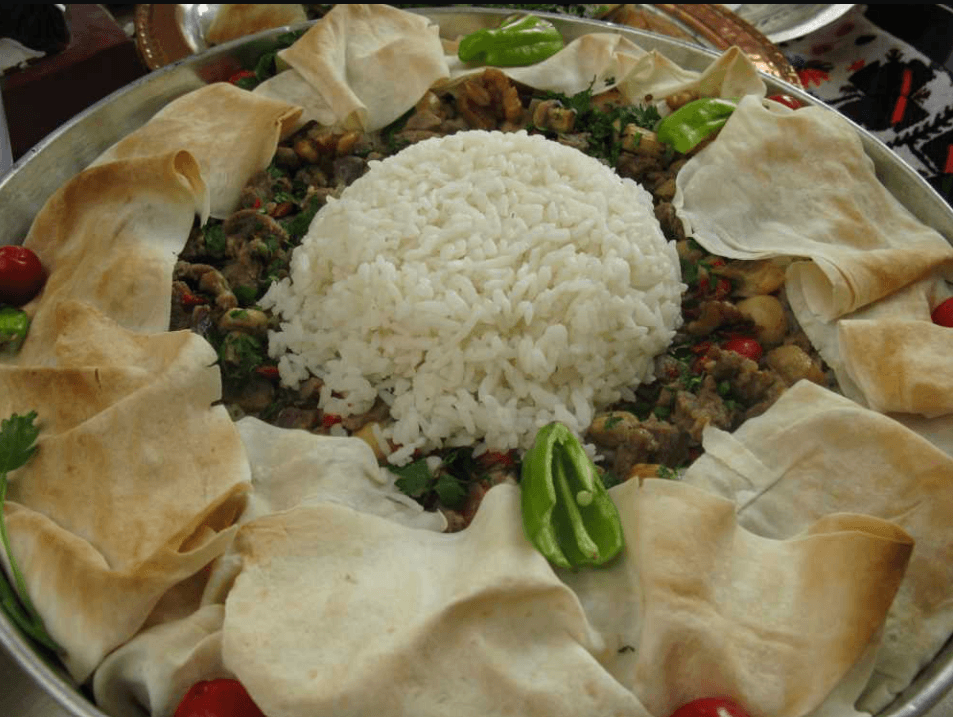
Bolu Kıbrıscık Pirinci is a native rice variety grown in specific villages of the Kıbrıscık district of Bolu province, characterized by medium grains and first-class quality. The product has been officially registered as a “Geographical Indication” by the Turkish Patent and Trademark Office and is protected under Registry No: 513 dated 28 July 2020.
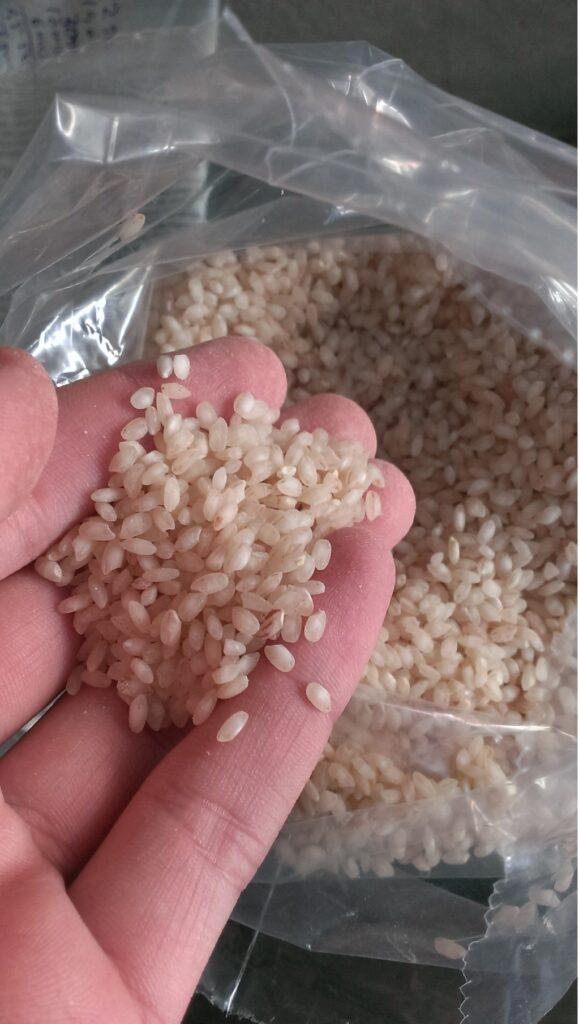
Bolu Kıbrıscık Pirinci (Bolu Municipality)
Bolu Kıbrıscık Pirinci is derived from the Oryza sativa L. rice plant. Its most prominent physical characteristics include an amylose content of 23–25 percent, a thousand-grain weight of 20–22 grams, and a water absorption capacity of one-third its weight. Due to these properties, it is locally known as “the pot-bursting rice.” The paddy grains have a thousand-grain weight of 25–35 grams.
The rice cultivated in Kıbrıscık is produced in valleys at elevations of 800–900 meters, in depressions where the difference between day and night temperatures is pronounced. The district’s average annual temperature is 9.9 °C and the annual rainfall is 551 mm. These climatic and topographic conditions support optimal rice development.
The traditional Karakılçık rice variety is used in the production of Bolu Kıbrıscık Pirinci. The cultivated soils have a loamy-clayey structure and exhibit alluvial characteristics. Rice is planted annually without crop rotation. Before germination, seeds are soaked in water for two days for pre-germination and treated with fungicides to prevent diseases.
The water used in farming is sourced from the Uludere spring, fed by snowmelt from the Köroğlu Mountains. The water’s potable quality and low temperature contribute significantly to rice quality.
In production, steel trays are continuously supplied with clear, fresh water. This technique ensures that the water in the trays is never completely drained. Harvesting typically takes place between September and October.
.JPG&w=1280&q=75)
Bolu Kıbrıscık Rice Harvest (Ministry of Agriculture and Forestry)
Harvested paddy is stored under appropriate humidity and storage conditions before processing. The processing stages are as follows:
Packaging is done in polypropylene or jute sacks ranging from 1 to 25 kg. All processes aim to achieve a zero-breakage yield.
Bolu Kıbrıscık Pirinci is produced in the villages of Borucak, Taşlık, Karaköy, Deveci, Alanhimmetler, Geriş, Kuzca, and Balı within Kıbrıscık district. Oversight of the product is conducted annually by a minimum three-member committee composed of representatives from the Bolu Chamber of Commerce and Industry, the Bolu Provincial Directorate of Agriculture and Forestry, and the Kıbrıscık Municipality. Inspections verify compliance with production conditions, geographical boundaries, physical characteristics, and water absorption capacity.
Anadolu Ajansı. “Bolu’nun Coğrafi İşaretli Kıbrıscık Pirinci Hasat Ediliyor.” Accessed May 27, 2025. http://aa.com.tr/tr/yasam/bolunun-cografi-isaretli-kibriscik-pirinci-hasat-ediliyor/3022611.
BAKAB. "Bolu Kıbrıscık Pirinci." Accessed May 27, 2025. https://www.bakab.gov.tr/bolu-kibriscik-pirinci.
Bolu Belediyesi. "Kıbrıscık Pirinci." Accessed May 27, 2025. https://www.bolu.bel.tr/gastronomi/kibriscik-pirinci.
Ministry of Agriculture and Forestry,Bolu İl Directorate. "Tarihten Gelen Lezzet: Kıbrıscık Pirinci." Accessed May 27, 2025. https://bolu.tarimorman.gov.tr/Sayfalar/Detay.aspx?TermStoreId=368e785b-af33-487d-a98d-c11d5495130b&TermSetId=8be51746-23bf-4e90-a865-9d83081e52fc&TermId=85d441d8-1b52-4085-b7ab-dcd2175585f0&UrlSuffix=1054/Tarihten-Gelen-Lezzet-Kibriscik-Pirinci.
Ministry of Culture and Tourism. "Kıbrıscık Pirinci." Kültür Portalı. Accessed May 27, 2025. http://kulturportali.gov.tr/turkiye/bolu/nealinir/kibriscik-pirinci.
Turk Patent and Trademark Office. "Bolu Kıbrıscık Pirinci – Coğrafi İşaret Sicil Belgesi No: 513." Accessed May 27, 2025. https://ci.turkpatent.gov.tr/cografi-isaretler/detay/38210.

No Discussion Added Yet
Start discussion for "Bolu Kıbrıscık Rice" article
Product Description and Distinctive Characteristics
Production Method
Processing Procedure
Geographical Boundary and Oversight