


This article was automatically translated from the original Turkish version.
Neuroplasticity refers to the ability of the nervous system to adapt structurally and functionally to environmental experiences, learning, or trauma. This concept is based on the idea that the brain is not a fixed and unchanging structure but rather a system capable of reorganization throughout life. Neuroplasticity plays a central role in learning processes because acquiring new knowledge, developing skills, and experiencing events require the rearrangement of synaptic connections.
Neuroplasticity (synaptic plasticity, neural plasticity) describes changes in the connection patterns of neurons within the central nervous system. Plasticity occurs through various mechanisms such as the formation of new connections (synaptogenesis), the weakening of unused connections (synaptic pruning), or the strengthening of existing connections (long-term potentiation – LTP).
These processes are active both during developmental periods and in adulthood. Although plasticity is most intense during childhood, it continues in the adult brain in response to environmental enrichment, learning, or brain injury.
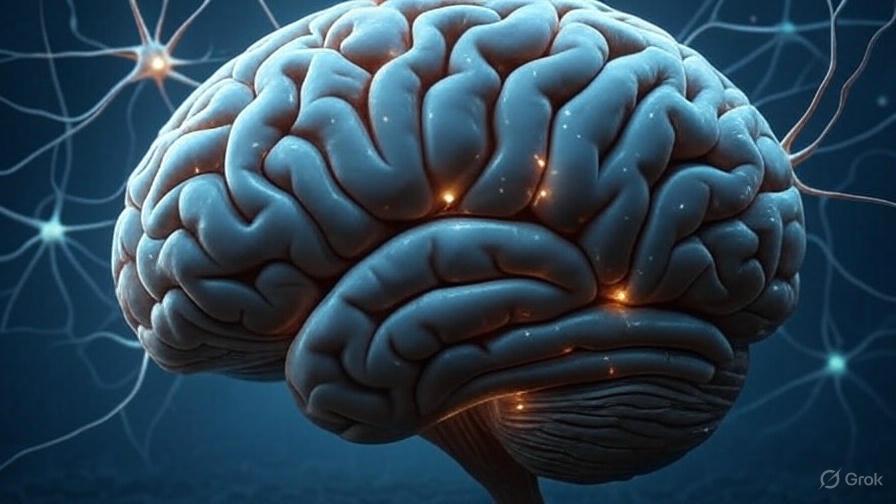
Visual representation of neuroplasticity (this image was generated by artificial intelligence)
Learning is directly linked to the formation of new connections between neurons in specific brain regions. Areas such as the hippocampus, prefrontal cortex, and motor cortex exhibit high levels of plasticity during learning. Mechanisms such as long-term potentiation (LTP) and long-term depression (LTD) facilitate or hinder learning by strengthening or weakening synaptic connections.
Experience-based learning involves environmental stimuli leaving lasting traces in the brain, resulting in permanent changes in synaptic circuits. For example, individuals who receive musical training show significant structural changes in their auditory and motor cortices. This demonstrates that learning is not only a cognitive process but also a biological one.
Some types of learning, such as language acquisition, occur more easily during developmental time windows known as critical periods. During these periods, neuroplasticity is at its highest. Although learning remains possible after critical periods have passed, it typically requires greater effort and time.
Educational practices are among the most important environmental factors that directly influence neuroplasticity. Enriched learning environments, repetition, reward systems, and emotional bonding trigger neuronal reorganization at the cellular level.
Animal studies have shown that individuals raised in environmentally enriched settings develop more synaptic connections and thicker cortices. Similarly in humans, learning environments that provide diverse stimuli have been observed to enhance cognitive performance.
Emotional states can either facilitate or hinder plasticity. Positive emotions, in particular, support learning by increasing the release of neurotransmitters such as dopamine and norepinephrine.
The recovery of lost functions after stroke is made possible through neuroplastic processes. Physical therapy, speech therapy, and mental exercises promote neural reorganization in affected brain regions.
Plasticity-based interventions such as cognitive restructuring and neurofeedback are used to treat neuropsychiatric conditions including post-traumatic stress disorder (PTSD), attention deficit disorders, and learning difficulties.
In recent years, neurotechnological tools such as brain-computer interfaces and transcranial magnetic stimulation (TMS) have been developed to directly target neuroplasticity and improve learning and brain function.
Neuroplasticity begins at birth and continues throughout life. However, this capacity declines with age. Therefore, early childhood is considered the most efficient period for learning. Nevertheless, evidence confirms that new neural connections can still form and learning can occur even in old age.
Charles A. Nelson III, Karen Bos, Megan R. Gunnar, and Edmund J. S. Sonuga-Bark. “Experience and Brain Development.” *Child Development* 58 (3): 539–59. https://www.researchgate.net/publication/230503886_The_Neurobiological_Toll_of_Early_Human_Deprivation
Kolb, Bryan, and Ian Q. Whishaw. 2009. *Fundamentals of Human Neuropsychology*. 6th ed. New York: Worth Publishers.
Öztürk, Orhan, and Aylin Uluşahin. 2020. *Ruh Sağlığı ve Bozuklukları*. Ankara: Nobel Tıp Kitabevleri.

What Is Neuroplasticity?
Relationship with the Learning Process
Neurophysiological Basis
The Experience-Dependent Brain
Critical Periods
Education and Neuroplasticity
Enriched Environments
Emotional Learning and Plasticity
Clinical and Therapeutic Applications
Rehabilitation
Cognitive Interventions
Neurotechnology
Neuroplasticity Across Development