This article was automatically translated from the original Turkish version.
+1 More
Type of Geographical İndication | Mahreç Sign | ||||||||
|---|---|---|---|---|---|---|---|---|---|
Application Date | 14.03.2019 | ||||||||
Registration Number | 604 | ||||||||
Registration Date | 23.11.2020 | ||||||||
Product / Product Group(s) | Rugs and kilims | ||||||||
Province(s) | Denizli | ||||||||
Applicant/Registrant(s) | Çameli Municipality | ||||||||
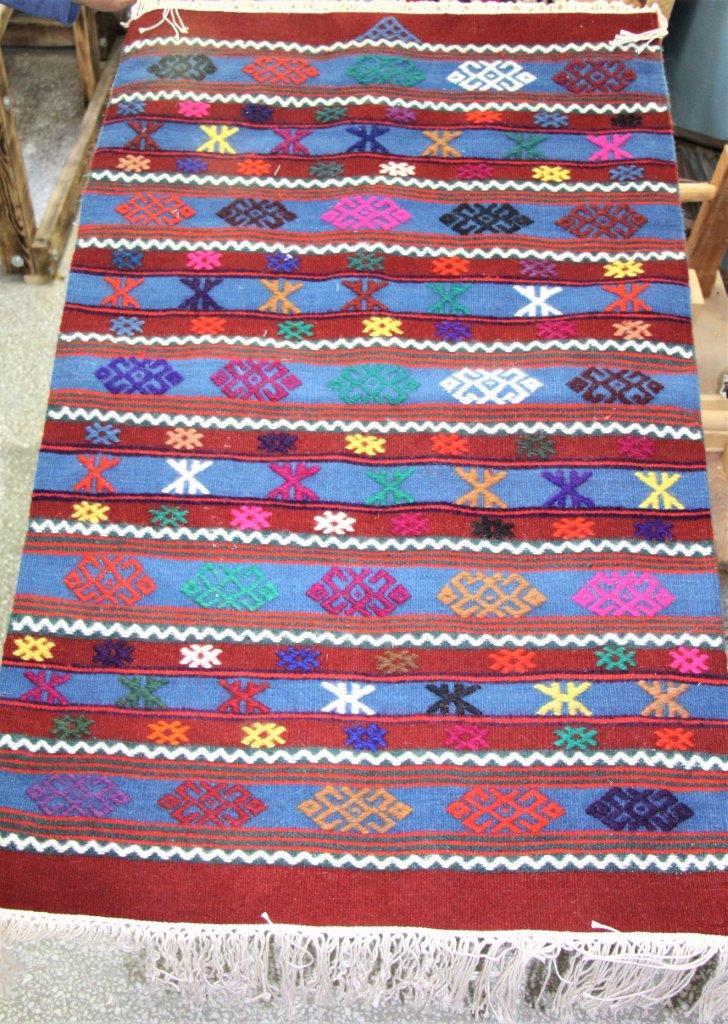
Çameli Kilim is a traditional hand-woven kilim produced in the Çameli district of Denizli Province. It is protected under Industrial Property Law No. 6769 as a geographical indication and was registered on 23 November 2020. The registration right belongs to the Çameli Municipality.
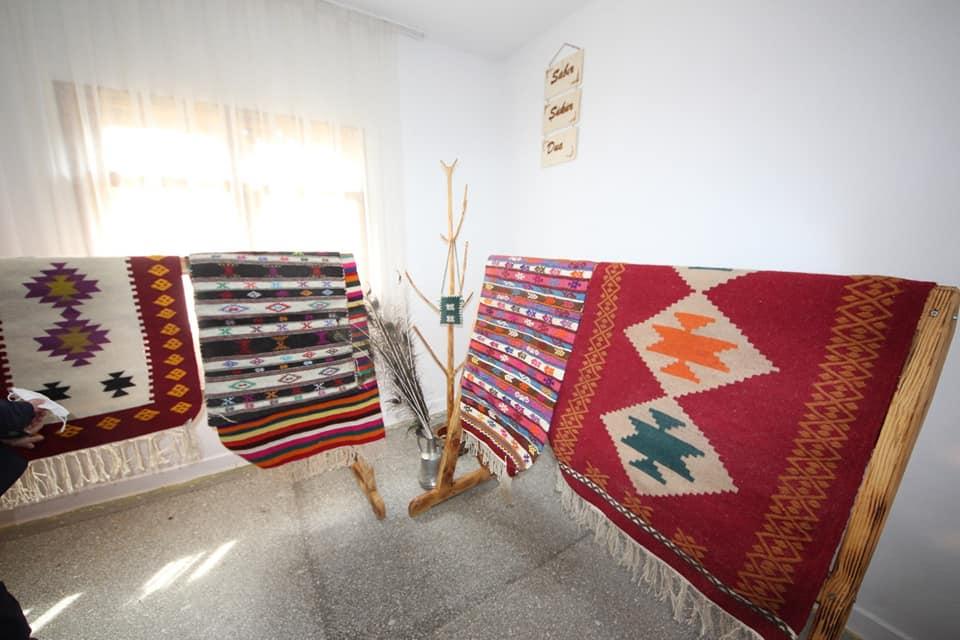
Çameli Kilims (Çameli Subdistrict)
The motifs woven into the kilim reflect the characteristics of the weaver’s era personal aspirations and regional culture. Main themes include motherhood fertility abundance joy fate and longevity. Motifs woven using relief techniques appear raised against the background.
Some motif names:
The colors used in the kilim are derived from root dyes obtained from plants native to the Çameli region. These dyes are produced by local women using natural materials such as broomweed palamut and walnut husk.
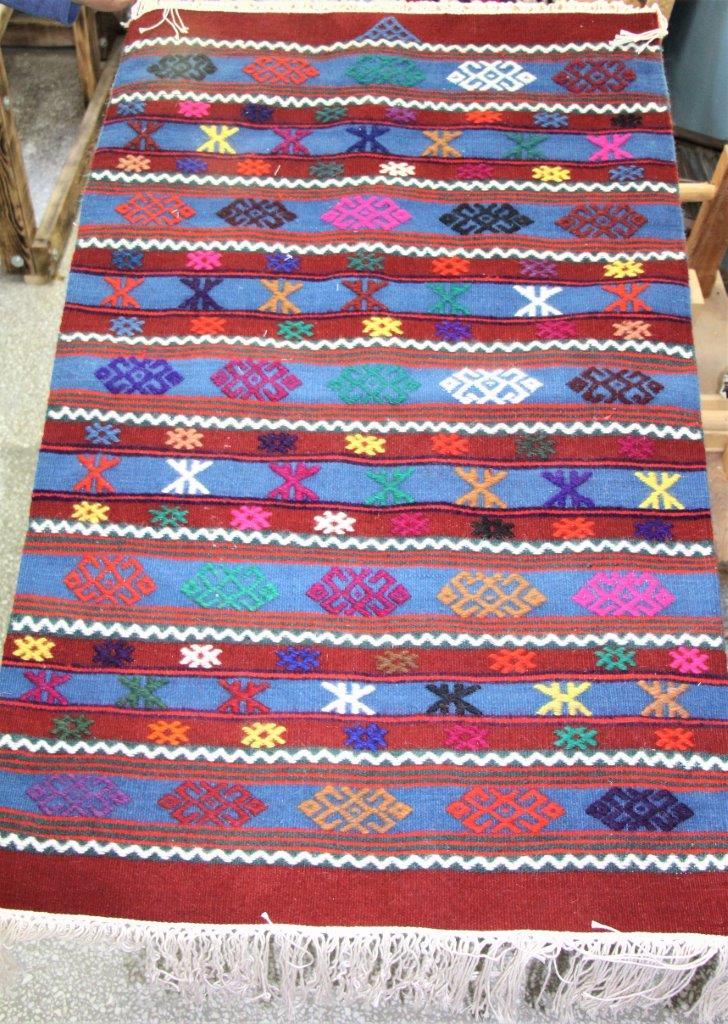
Çameli Kilim (Turkish Patent)
The weaving process begins with the warp stage. Threads are wound around a specific number of heddles. Weft threads are then prepared and a firm beginning is created using the çiti weaving technique. Weaving continues using the bezayağı method which ensures equal interlacing of warp and weft threads. The boundaries of motifs are defined threads are left loose along the motif and then tightly compressed with kirkit to sharpen the design.
Once weaving is complete the kilim is carefully removed from the loom edges are inspected and fringes are tied.
All stages of Çameli Kilim production must take place within the officially registered geographical boundary of Çameli district. Inspections are conducted at least once a year in collaboration between the Çameli Municipality Directorate of Culture and Social Affairs and the People’s Education Center. The inspection authority may receive support from expert personnel.
Turk Patent and Trademark Office. “Çameli Kilimi.” *Coğrafi İşaretler Portalı*. File Number C2019/035; Registration Date November 23, 2020. Accessed July 9, 2025. https://ci.turkpatent.gov.tr/cografi-isaretler/detay/141.
Çameli Kaymakamlığı Governorship. "Çameli Kilimi ve Çameli Elmalı Bez Dokuma Atölyesi Açılış Töreni Gerçekleşti." Çameli District Governorship. Accessed July 9, 2025. http://www.cameli.gov.tr/cameli-kilimi-ve-cameli-elmali-bez-dokuma-atolyesi-acilis-toreni-gerceklesti.

Type of Geographical İndication | Mahreç Sign | ||||||||
|---|---|---|---|---|---|---|---|---|---|
Application Date | 14.03.2019 | ||||||||
Registration Number | 604 | ||||||||
Registration Date | 23.11.2020 | ||||||||
Product / Product Group(s) | Rugs and kilims | ||||||||
Province(s) | Denizli | ||||||||
Applicant/Registrant(s) | Çameli Municipality | ||||||||
Technical Characteristics
Motifs and Their Meanings
Colors and Root Dye Properties
Production Process
Geographical Designation and Oversight