This article was automatically translated from the original Turkish version.
Province(s) | Çanakkale | ||||||||
|---|---|---|---|---|---|---|---|---|---|
Country | Türkiye | ||||||||
Application Date | 13.01.2022 | ||||||||
Registration Date | 13.07.2023 | ||||||||
Registration Number | 1410 | ||||||||
Product / Product Group(s) | Processed and unprocessed fruits vegetables and mushrooms | ||||||||
Type of Geographical Indication | Origin Name | ||||||||
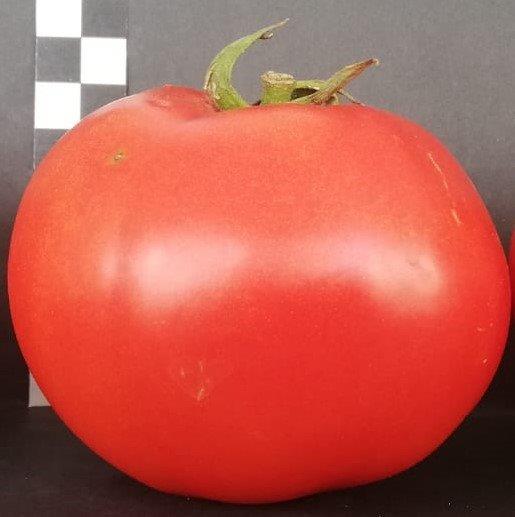
Çanakkale Tomato is a large, aromatic, and juicy table tomato variety grown in the Batak Plain of Çanakkale Province. A geographical indication application was submitted by the Çanakkale Chamber of Commerce on 13 January 2022 and it was officially registered as a Geographical Indication (Registration No: 1410) by the Turkish Patent and Trademark Office on 13 July 2023.
The Çanakkale tomato is a local agricultural product cultivated in Çanakkale Province and its surrounding areas in western Türkiye, distinguished by its pronounced aroma thin skin intense flavor and long shelf life. Due to its cultivation under the region’s unique climatic and soil conditions its sensory and physical properties are easily distinguishable from other tomato varieties. The geographical indication process aimed to formally recognize this distinctiveness while protecting producers and providing consumers with a quality guarantee. The registration process involved defining technical details such as the growing region production conditions harvesting methods and quality criteria. Accordingly all stages from cultivation to packaging are governed by specific standards ensuring the product’s consistent sustainable quality. With geographical indication registration the Çanakkale tomato has gained brand value in both domestic and international markets and has become a key contributor to the regional economy and the sustainability of local agriculture.
Fruit size: 64 ± 4 mm; diameter: 70.8 ± 3 mm
Pericarp thickness: 4 ± 2 mm; number of seed locules: 4 ± 3
Fruit firmness: 2.4 kg; soluble solids: 4.5%; acidity: ~0.5 g/100g; lycopene: 7.39 µg/g; vitamin C: 9.65 mg/100 ml
Aroma Profile: Contains 24 volatile compounds; Z-3-hexenal dominates at 80–95%; characteristic fresh grassy scent
The production area of the Çanakkale tomato is limited to Çanakkale Province located in the south-western part of the Marmara Region. This region has a unique microclimate influenced by the Aegean and Marmara Seas. The climate features hot dry summers and mild rainy winters providing a balanced temperature and light regime during the tomato’s growth phase. This enhances both the sweetness and aroma of the fruit. Additionally Çanakkale’s alluvial clay-loam soil structure supports root development contributing to high yields and healthy produce. The pronounced difference between day and night temperatures in the region aids in balancing sugar and acid levels in the fruit. These unique natural conditions play a decisive role in giving the Çanakkale tomato its thin skin fleshy texture and rich flavor. The geographical limitation and climatic advantages have transformed this product into a value of both agricultural and cultural significance.
The Çanakkale Tomato has been registered as the 13th geographical indication product of the province. The registration process was carried out through a collaboration among local stakeholders including the Çanakkale Chamber of Commerce ÇOMÜ Faculty of Agriculture and the Directorate of Agriculture and played a critical role in transforming the regional flavor into a branded product. The geographical indication aims to generate value in marketing export and agricultural industry sectors.
Turk Patent and Trademark Office. "Çanakkale Domatesi." Accessed July 31, 2025. https://ci.turkpatent.gov.tr/Files/GeographicalSigns/eb5683c0-4f25-4a1d-a372-2d7b421f549d.pdf
Türk Patent ve Marka Kurumu. "Çanakkale Domatesi." Accessed July 31, 2025. https://ci.turkpatent.gov.tr/cografi-isaretler/detay/5971

Province(s) | Çanakkale | ||||||||
|---|---|---|---|---|---|---|---|---|---|
Country | Türkiye | ||||||||
Application Date | 13.01.2022 | ||||||||
Registration Date | 13.07.2023 | ||||||||
Registration Number | 1410 | ||||||||
Product / Product Group(s) | Processed and unprocessed fruits vegetables and mushrooms | ||||||||
Type of Geographical Indication | Origin Name | ||||||||
Geographical Indication Process and Product Characteristics
Pomological Data (Average)
Production Geography and Climatic Influences
Regional Identity Promotion and Economic Impact