


This article was automatically translated from the original Turkish version.
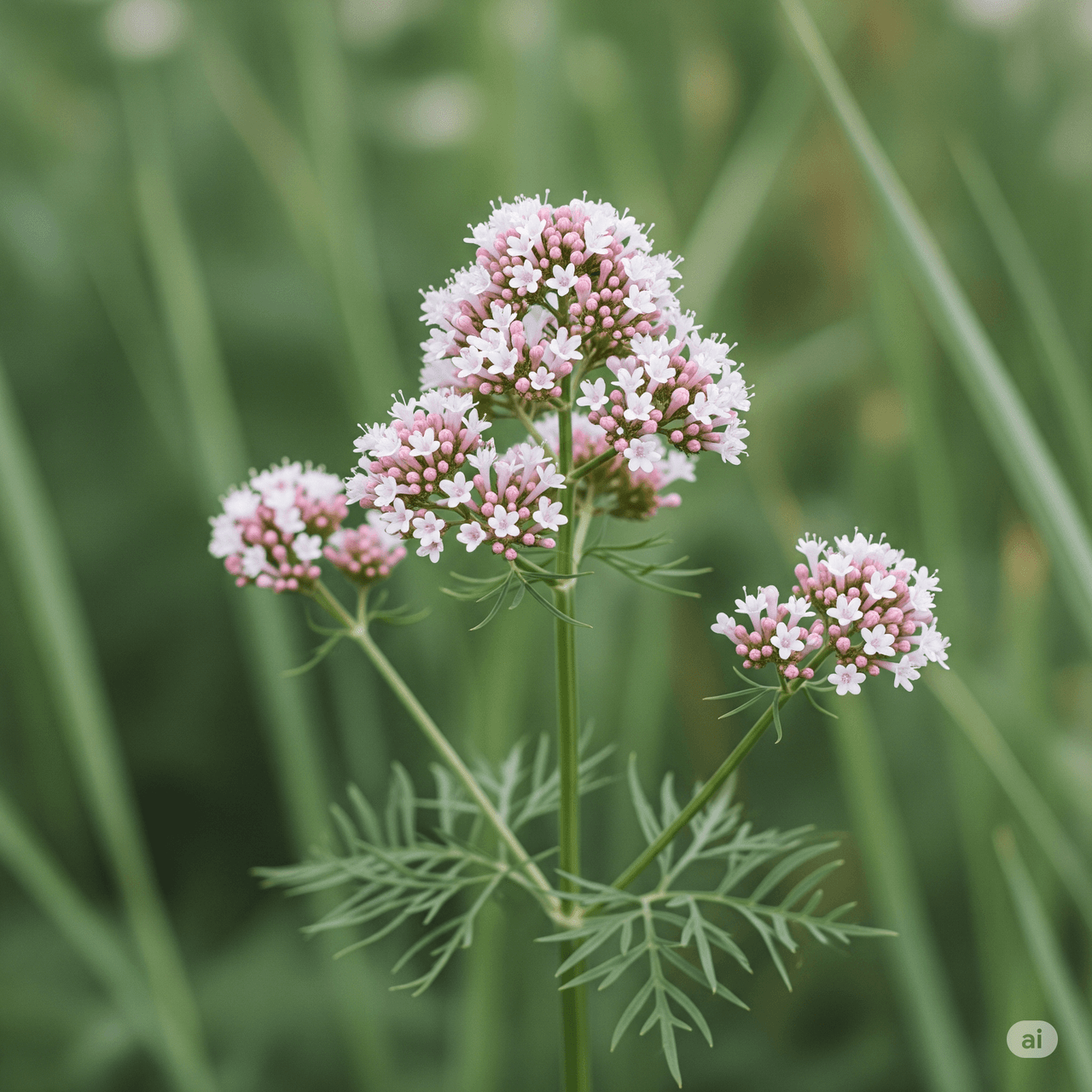
(Generated by Artificial Intelligence.)
Catnip (Valeriana officinalis)
Family | Lamiaceae | ||||||||
|---|---|---|---|---|---|---|---|---|---|
Type(s) | V. officinalis | ||||||||
Genus | Catnip | ||||||||
Valeriana officinalis is a perennial herbaceous species belonging to the Caprifoliaceae family (previously classified under Valerianaceae). In Türkiye, this species, known as “kediotu,” is among the non-wood forest products used for both food and medicinal purposes.
The parts of the plant used for medicinal and food purposes are the rhizomes and roots. Cultivation is carried out in moist environments with stony, humus-rich soils near sea level. Rhizomes and roots are harvested in September and dried at temperatures below 40°C for use.
The kediotu plant can reach a height of 50–130 cm. Its rhizome may be short and upright or horizontal and elongated. Roots emerge either radially or densely from the lower part of the rhizome. The stem is upright, grooved, and hairless. Lower leaves are typically pinnate with 3–10 pairs of leaflets, though some are simple and lanceolate. Flowers are white or pink and arranged in triply branched cymes. The fruit is 3–4 mm long and has a hairy surface.
This subspecies occurs naturally in Türkiye, particularly in the Eastern Anatolia Region, around Erzurum. It grows at elevations of 1985–2280 meters, on slopes with 60–70% incline, typically along stream banks with low erosion risk, on north, northeast, and northwest-facing aspects.
The soils are characterized as brown or chestnut forest soils, with a pH range of 6.8–7.3 and organic matter content between 1% and 6%. Texture varies from sandy loam, silt loam, to sandy clay loam. Surface stoniness exceeds 50%. The geological formation where the plant grows typically consists of conglomerate, sandstone, and limestone layers from the Cretaceous period.
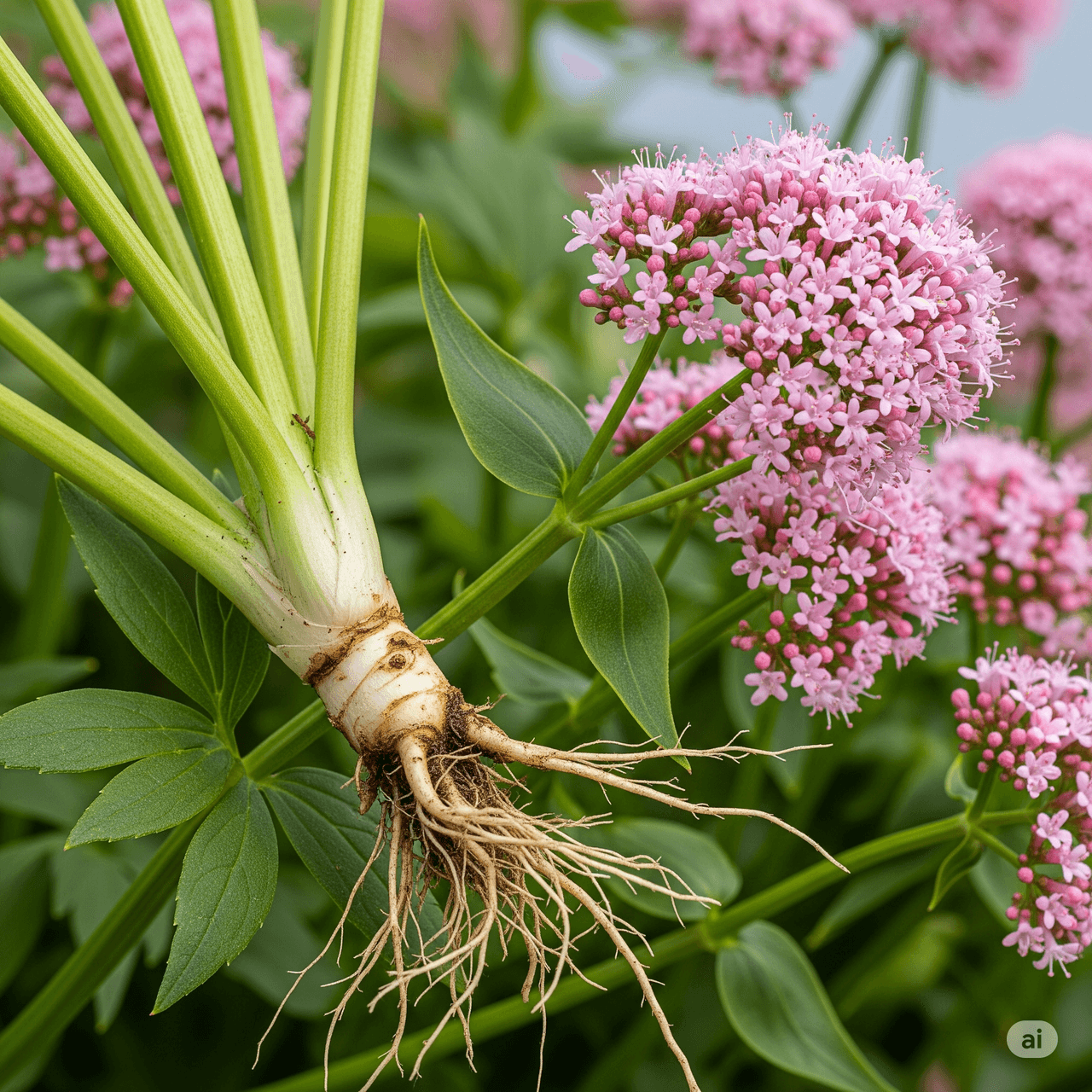
Appearance of Kedi Otu Plant (Generated by Artificial Intelligence)
The rhizomes and roots of Valeriana officinalis contain volatile oils, iridoids (valepotriates, valeroxidates), alkaloids (actinidine, catinine, valerianine), amino acids (GABA, arginine, etc.), polyphenols (chlorogenic and caffeic acids), tannins, gums, and resins. In commercial cultivation, derivatives of valerenic acid and valepotriates have been detected at specific concentrations. Valepotriates gradually degrade into baldrinal and homobaldrinal over time.
Extracts and volatile oils obtained from the rhizomes and roots of the plant are used as flavoring or fortifying agents in various food products. They can be incorporated into teas, alcoholic and non-alcoholic beverages, frozen dairy desserts, confectionery, baked goods, puddings, and meat products. The U.S. Food and Drug Administration (FDA) has classified Valeriana officinalis extracts as dietary supplements.
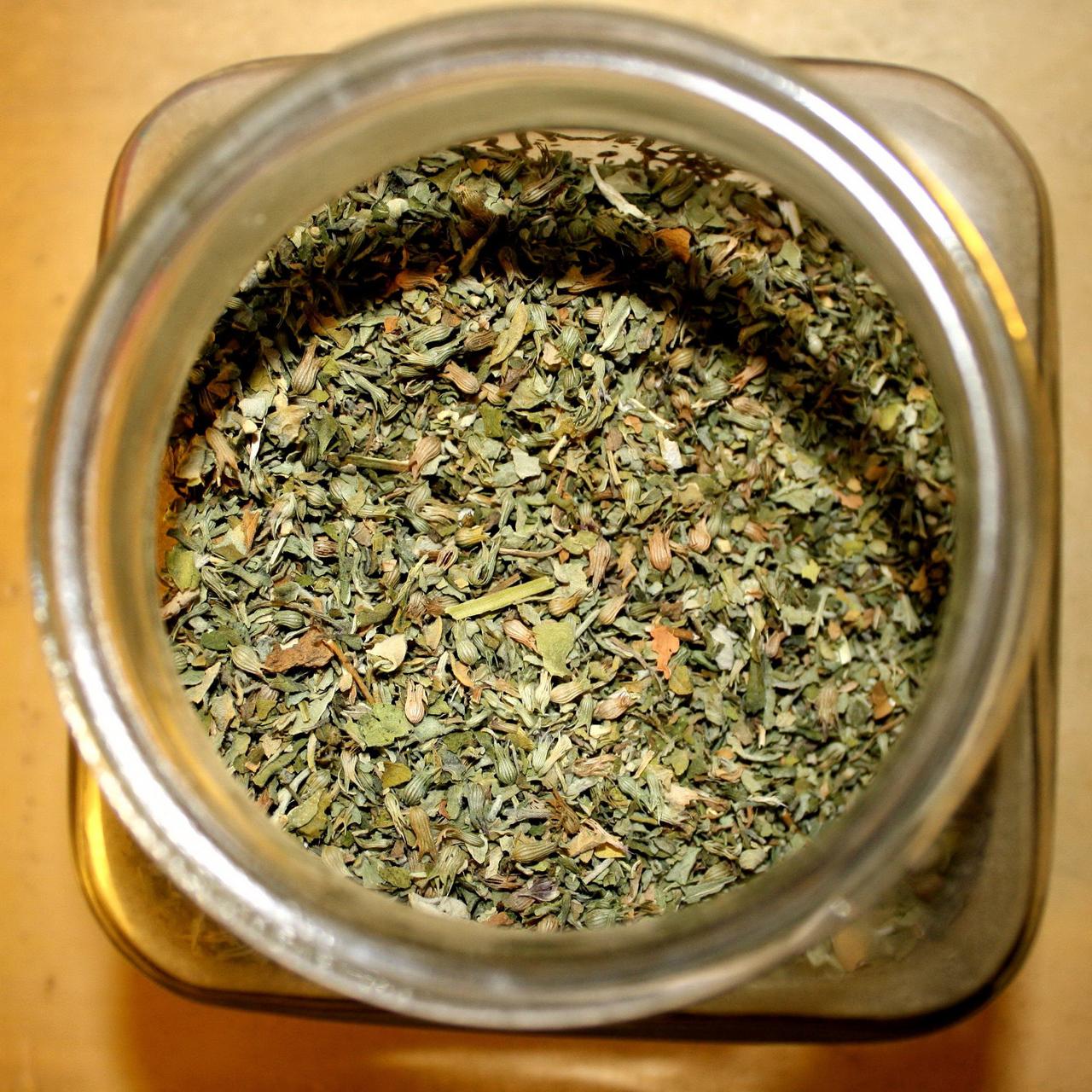
Dried Kedi Otu Plant (PIXNIO)
Traditionally, it has been used for its sedative, hypnotic, antispasmodic, hypotensive, and carminative properties. In modern medicine, it is evaluated as an adjunctive treatment for sleep disorders, anxiety, stress, hyperactivity, and various neurological symptoms. There is also evidence of its use in conditions such as epilepsy, headaches, menstrual irregularities, and gastrointestinal disorders.
Acute, subacute, and subchronic toxicity studies have shown that use at recommended doses is safe. Transient and mild symptoms have been reported following excessive intake. No genotoxic or cytotoxic effects have been detected. Caution is advised during pregnancy and lactation.
International practices regarding the use of Valeriana officinalis rhizomes and roots in food vary. Among the 25 countries reviewed, the root part is listed as positive in 4 countries, conditionally positive in 6, and negative in 5. For the rhizome, these values are 3, 4, and 5 countries respectively. In some countries, regulations apply only to medicinal use.
The Ministry of Agriculture and Forestry of the Republic of Türkiye includes the roots and rhizomes of Valeriana officinalis L. in the Positive (P) category of its Plant List, permitting their use in food. This status was confirmed following an assessment conducted in 2018.
Dindaroğlu, Turgay, Mehmet Önal, and Ahmet Reis. “Kediotu Bitkisinin (Valeriana officinalis L. subsp. officinalis) Bazı Ekolojik Özellikleri.” Accessed June 17, 2025. https://www.researchgate.net/profile/Turgay-Dindaroglu/publication/288629766_Kediotu_Bitkisinin_Valeriana_officinalis_L_subsp_officinalis_Bazi_Ekolojik_Ozellikleri/links/579626dc08aeb0ffcd05840b/Kediotu-Bitkisinin-Valeriana-officinalis-L-subsp-officinalis-Bazi-Ekolojik-Oezellikleri.pdf
Ministry of Agriculture and Forestry of the Republic of Türkiye, General Directorate of Food and Control. "Valeriana officinalis L. Hakkında Bilimsel Görüş Raporu." Accessed June 17, 2025. https://www.tarimorman.gov.tr/GKGM/Belgeler/DB_Risk_Degerlendirme/BilimselGorus/Valeriana_officinalis.pdf.
Pixnio. "Cam Kavanoz Kedi Otu Bitki." JPEG, 2462 × 2395. CC0 free. Uploaded: March 9, 2018. Accessed June 19, 2025. .
Uysal, Ezgi. “Valeriana officinalis (Kediotu).” İstanbul Üniversitesi Tıp Fakültesi. Accessed June 17, 2025. https://tibuad.istanbul.edu.tr/tr/content/blog/valeriana-officinalis-(kediotu).

(Generated by Artificial Intelligence.)
Catnip (Valeriana officinalis)
Family | Lamiaceae | ||||||||
|---|---|---|---|---|---|---|---|---|---|
Type(s) | V. officinalis | ||||||||
Genus | Catnip | ||||||||
No Discussion Added Yet
Start discussion for "Catnip (Valeriana officinalis)" article
Botanical Characteristics
Morphological Characteristics
Ecological Characteristics and Distribution
Chemical Composition
Use in Food
Medicinal Use and Traditional Applications
Mechanisms of Action and Scientific Findings
Toxicological Evaluation
International Regulations
Legal Status in Türkiye