



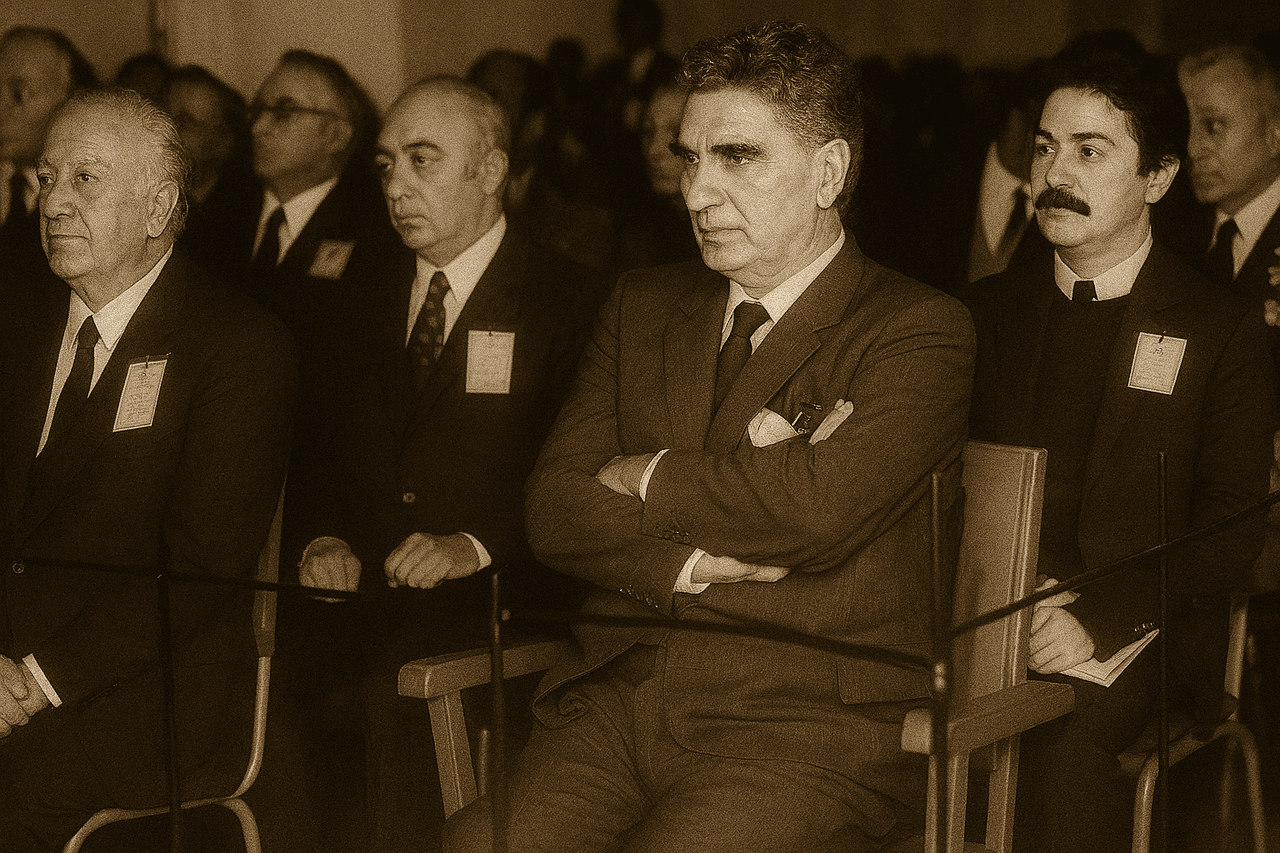
Generated with artificial intelligence.
Cemal Madanoğlu
Birth | 1907, Istanbul | ||||||||
|---|---|---|---|---|---|---|---|---|---|
Death | 7 October 1993, Istanbul | ||||||||
Profession(s) | Soldier Senator Writer | ||||||||
Rank | General of the Army | ||||||||
Education | War School (1926) War Academy (1930) | ||||||||
Position(s) | De facto leader of the 27 May 1960 Coup Member of the Republic Senate President of the State Planning Organization Member of the National Security Council | ||||||||
Works | "Memoirs" (1982) - Contains personal testimony on his political past and the developments of the era | ||||||||
Turkish military officer and bureaucrat Cemal Madanoğlu was one of the prominent figures who played a significant role within the Turkish Armed Forces and political processes during the mid-20th century. Recognized as one of the main actors of the 27 May 1960 coup, Madanoğlu transitioned into civilian politics after his military career but later withdrew from active public roles.
Cemal Madanoğlu was born in Istanbul in 1907 into a family belonging to the civil service class of the time. After completing his primary education in Istanbul, he pursued military training and graduated from the War School in 1926. He subsequently attended the War Academy and served in various capacities as a staff officer. Throughout his education, he distinguished himself through his strict adherence to military discipline and his notable intellect.
Cemal Madanoğlu held various ranks within the Turkish Armed Forces and was actively involved in the military modernization efforts following World War II. In the 1950s he commanded brigades and divisions, and in 1959 he was promoted to the rank of general. During his service, he gained recognition for his loyalty to the chain of command and his reformist outlook. By the time of the 27 May 1960 coup, he had aligned himself with a group of young officers and played a key role in its execution.
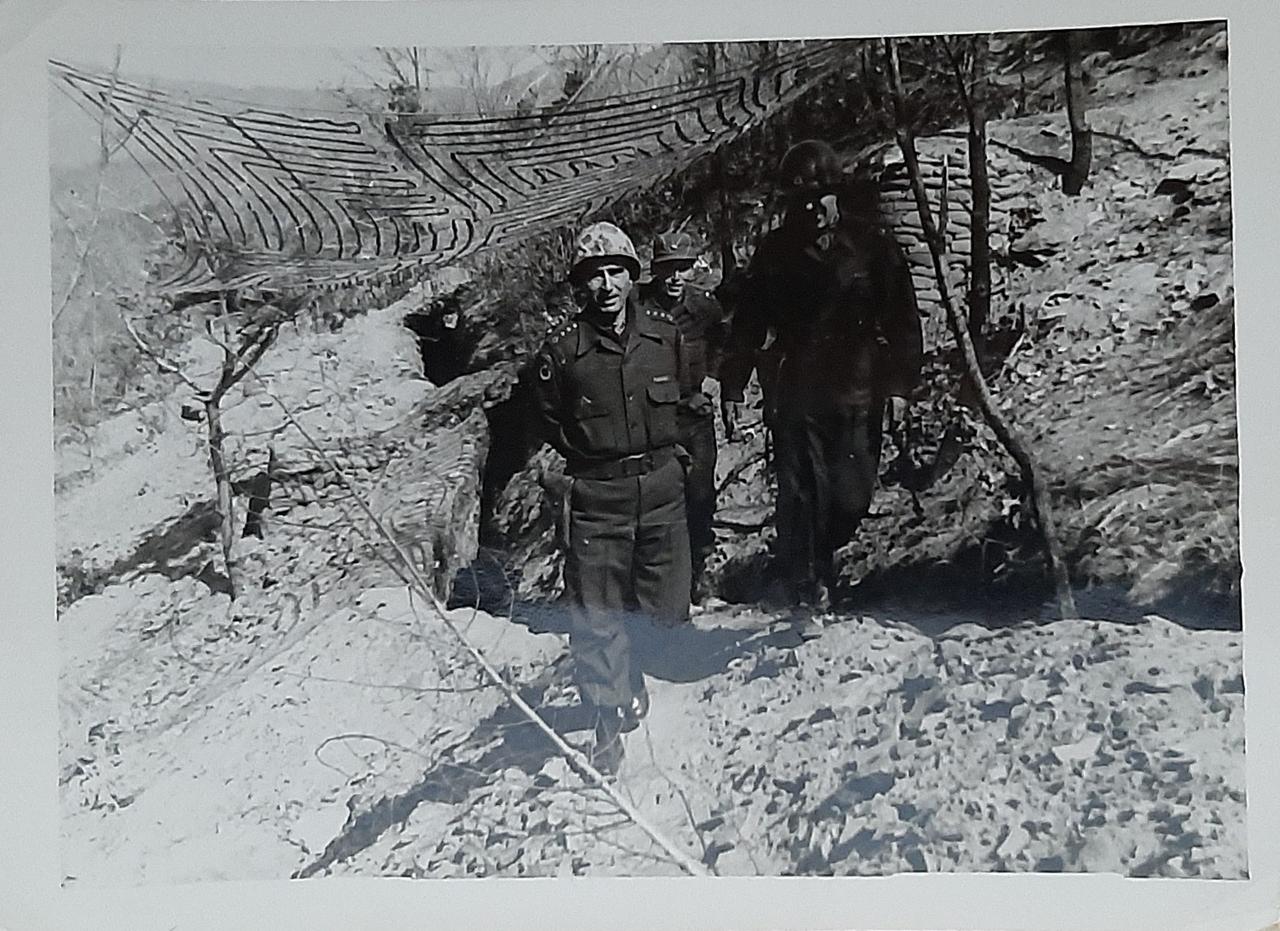
Cemal Madanoğlu (Atatürk Encyclopedia)
On the morning of 27 May 1960, a military intervention resulted in the removal of the Democrat Party government. President Celal Bayar and Prime Minister Adnan Menderes were arrested. During this period, Cemal Madanoğlu served as one of the chief coordinators of the coup. He became one of the most active members of the newly established National Unity Committee, working to maintain military hierarchy and ensure stability during the transition period.
Cemal Madanoğlu quickly advocated for the military government to hand over power to civilian authorities, a position that led to disagreements within the committee. He played an active role in drafting the 1961 Constitution and emphasized the importance of shaping the political structure within constitutional boundaries. However, his influence diminished over time due to ideological differences with other officers, leading to his departure from official duties. He subsequently withdrew from public life and remained outside government service for a period.
In the aftermath of the 1971 military memorandum, when the influence of former military figures on civilian politics was under scrutiny, Cemal Madanoğlu was implicated in an alleged conspiracy. He was prosecuted on the grounds of involvement in a structure known as the “Madanoğlu Coup.” However, during the trial, insufficient evidence was found to support the charges, and he was acquitted. In retirement, he wrote his memoirs but rarely appeared in public.
Cemal Madanoğlu died in Istanbul in 1979.
Durmuş, Merve, and Cevdet Kırpık. “Ondörtlerin Tasfiyesinde Cemal Madanoğlu’nun Rolü.” *Cumhuriyet Tarihi Araştırmaları Dergisi* 21, no. 42 (2021): 361–396. Accessed July 13, 2025. https://dergipark.org.tr/tr/pub/cttad/issue/64272/975627
Tatlısu Çağan, Kübra. “Cemal Madanoğlu (1907–1993).” Atatürk Ansiklopedisi. Accessed July 13, 2025. https://ataturkansiklopedisi.gov.tr/detay/1088/Cemal-Madano%C4%9Flu-(1907-1993)
Tatlısu, Kübra. “Millî Birlik Komitesi İçinde Çıkan İkilem ve General Cemal Madanoğlu-Albay Alparslan Türkeş İlişkisi.” *Uluslararası Sosyal Bilimler Dergisi* 14, no. 1 (2021): 102–121. Accessed July 13, 2025. https://dergipark.org.tr/en/pub/usaksosbil/issue/63593/928252

Generated with artificial intelligence.
Cemal Madanoğlu
Birth | 1907, Istanbul | ||||||||
|---|---|---|---|---|---|---|---|---|---|
Death | 7 October 1993, Istanbul | ||||||||
Profession(s) | Soldier Senator Writer | ||||||||
Rank | General of the Army | ||||||||
Education | War School (1926) War Academy (1930) | ||||||||
Position(s) | De facto leader of the 27 May 1960 Coup Member of the Republic Senate President of the State Planning Organization Member of the National Security Council | ||||||||
Works | "Memoirs" (1982) - Contains personal testimony on his political past and the developments of the era | ||||||||
Early Life and Education
Military Career
The 27 May 1960 Coup and the National Unity Committee
Transition to Civilian Life
Trial and Later Years
Death