


+1 More

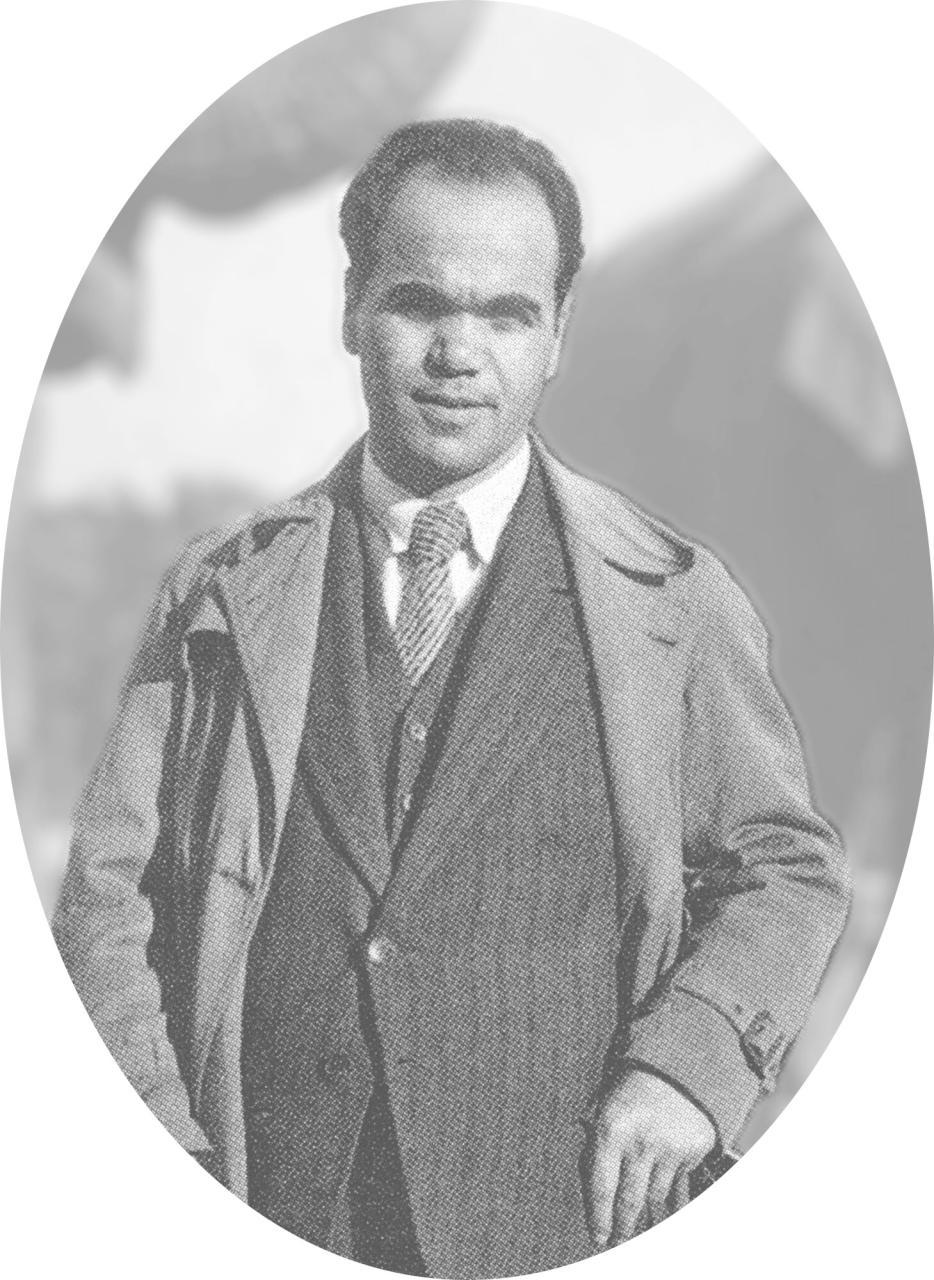
Cemal Tollu
Date of Birth | 1899 | ||||||||
|---|---|---|---|---|---|---|---|---|---|
Date of Death | 1968 | ||||||||
Babası | Mehmet Sait Bey | ||||||||
Annesi | Hayriyet Hanım | ||||||||
WORKS | Buğday Manzara Manzara Bursa’dan Manzara Antalya’dan Buğday Manisalı Kız-1944 Bağ Bozumu Gemili (landscape) Manzara Pamuk Toplayanlar Naturmort Portre 1947 Atlar 1964 Kurban 1963 Manzara (from Antalya) Nü 1929 Manzara Manzara (Gebze Beşiktaş Pier) | ||||||||
Cemal Tollu began his art education in 1919 by enrolling at the Sanâyi-i Nefîse Mektebi. During this period he worked in the studios of Hikmet Onat and İbrahim Çallı. His education was interrupted due to his participation in the National Struggle, but upon returning to Istanbul in 1926 he resumed his studies at the same school. In 1928, with the support of his family, he went to Paris to continue his education internationally and began working in André Lhote’s studio. In 1931 he briefly traveled to Munich where he undertook analytical composition studies in Hans Hofmann’s studio. He continued his work in André Lhote’s studio until 1932 and also attended the studios of Fernand Léger, Louis Marcoussis and Charles Despiau, as well as the Académie Moderne. In his early period he was influenced by the forms of Marcel Gromaire, André Lhote’s geometric构图, and Hans Hofmann’s cubism.
Throughout his artistic career, Cemal Tollu held various positions at institutions:
In addition to his artistic output, Cemal Tollu authored several written works. His first art writings were published in 1933 in the magazine Yeni Adam and continued in various newspapers and journals until 1956.
His book Mitoloji (1957) and the monograph Şeker Ahmed Paşa (1967) were published by the Academy of Fine Arts as textbooks. In his paintings, Cemal Tollu rendered Anatolian subjects and life through solid volumetric and geometric forms. He emphasized monumental compositional structure, the accuracy of value and proportion in color, and distilled details to create archaic, plastic forms.

Ankara Resim ve Heykel Müzesi. “Cemal Tollu (1899–1968).” T.C. Kültür ve Turizm Bakanlığı. Accessed June 4, 2025. https://arhm.ktb.gov.tr/artists/detail/2176/cemal-tollu-1899-1968
Culture Portal. "Cemal Tollu." Ministry of Culture and Tourism of the Republic of Türkiye. Accessed June 4, 2025. https://www.kulturportali.gov.tr/portal/cemal-tollu.
Sabancı Müzesi. "Cemal Tollu." Accessed June 4, 2025. https://www.sakipsabancimuzesi.org/sanatci/293.

Cemal Tollu
Date of Birth | 1899 | ||||||||
|---|---|---|---|---|---|---|---|---|---|
Date of Death | 1968 | ||||||||
Babası | Mehmet Sait Bey | ||||||||
Annesi | Hayriyet Hanım | ||||||||
WORKS | Buğday Manzara Manzara Bursa’dan Manzara Antalya’dan Buğday Manisalı Kız-1944 Bağ Bozumu Gemili (landscape) Manzara Pamuk Toplayanlar Naturmort Portre 1947 Atlar 1964 Kurban 1963 Manzara (from Antalya) Nü 1929 Manzara Manzara (Gebze Beşiktaş Pier) | ||||||||
Career and Achievements
Notable Works and Contributions