


This article was automatically translated from the original Turkish version.
+1 More
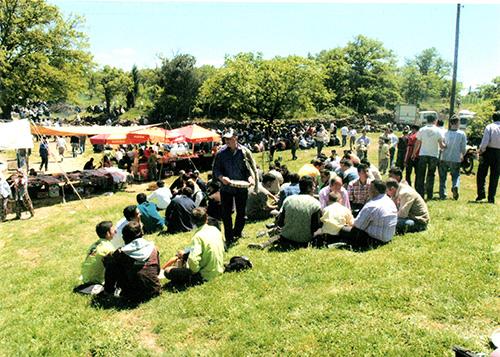
https://yakegm.ktb.gov.tr/TR-345116/toren-keskegi-gelenegi.html (Access Date: 22.06.2025)
Ceremony Keşkeği Tradition
Type(s) | Intangible Cultural Heritage | ||||||||
|---|---|---|---|---|---|---|---|---|---|
UNESCO Registration Date | 28 November 2011 | ||||||||
UNESCO List Type | Representative List of the Intangible Cultural Heritage of Humanity | ||||||||
The Ceremony Gruel Tradition is a significant intangible cultural heritage element reflecting social solidarity and unity in the rural regions of Anatolia. This tradition is based on the communal preparation and consumption of keşkek, a dish cooked in large cauldrons on special occasions such as weddings, circumcisions, holidays, charitable events, and collective gatherings.
The origins of keşkek extend back to the historical dietary practices of Anatolia. The slow cooking of wheat with meat for many hours endowed the dish with a traditional character, making it an indispensable part of local weddings and celebrations. The continued practice of this ceremonial keşkek tradition ensures the living transmission of social knowledge from one generation to the next.
The preparation of ceremonial keşkek is a rhythmic practice carried out collectively. First, wheat soaked overnight and bone-in meat are cooked in large cauldrons. Once cooked, the mixture is pounded for an extended period using wooden mallets until it achieves a thick, cohesive consistency. Community members participate together in this stage, known as “dövme,” creating a shared rhythm of pounding. This process symbolizes not only the preparation of the dish but also the strengthening of feelings of unity, togetherness, and solidarity.
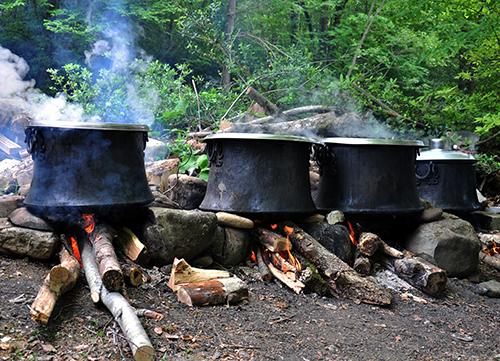
The Cooking Process of Keşkek (< Ministry of Culture and Tourism)
The ceremonial keşkek tradition is an essential component of social memory. Through this tradition, people come together for collective events such as weddings, mevlit ceremonies, or charitable gatherings and divide labor cooperatively. The communal pounding and preparation of keşkek carry the character of a ritual that elevates shared effort. In this way, the ceremonial keşkek tradition contributes to the strengthening of social bonds.
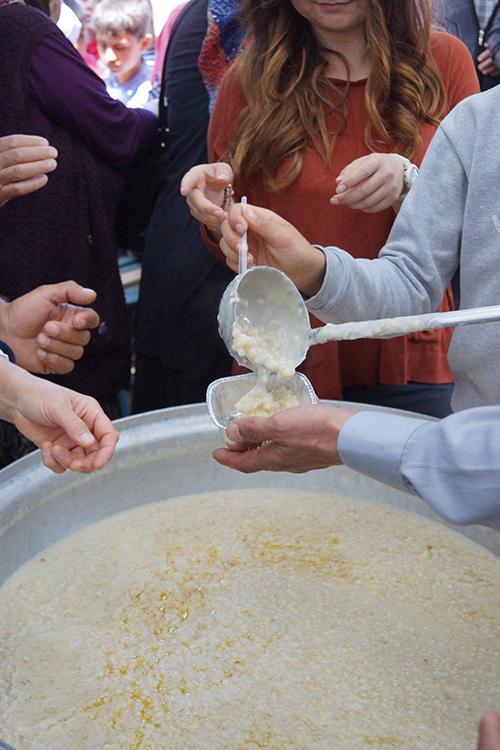
The Distribution Stage of Keşkek (Ministry of Culture and Tourism)
In 2011, the Ceremonial Keşkek Tradition was inscribed on the UNESCO Representative List of the Intangible Cultural Heritage of Humanity to recognize its cultural value at an international level. This inscription marks a crucial step toward ensuring the transmission of the tradition to future generations and securing its sustainability.
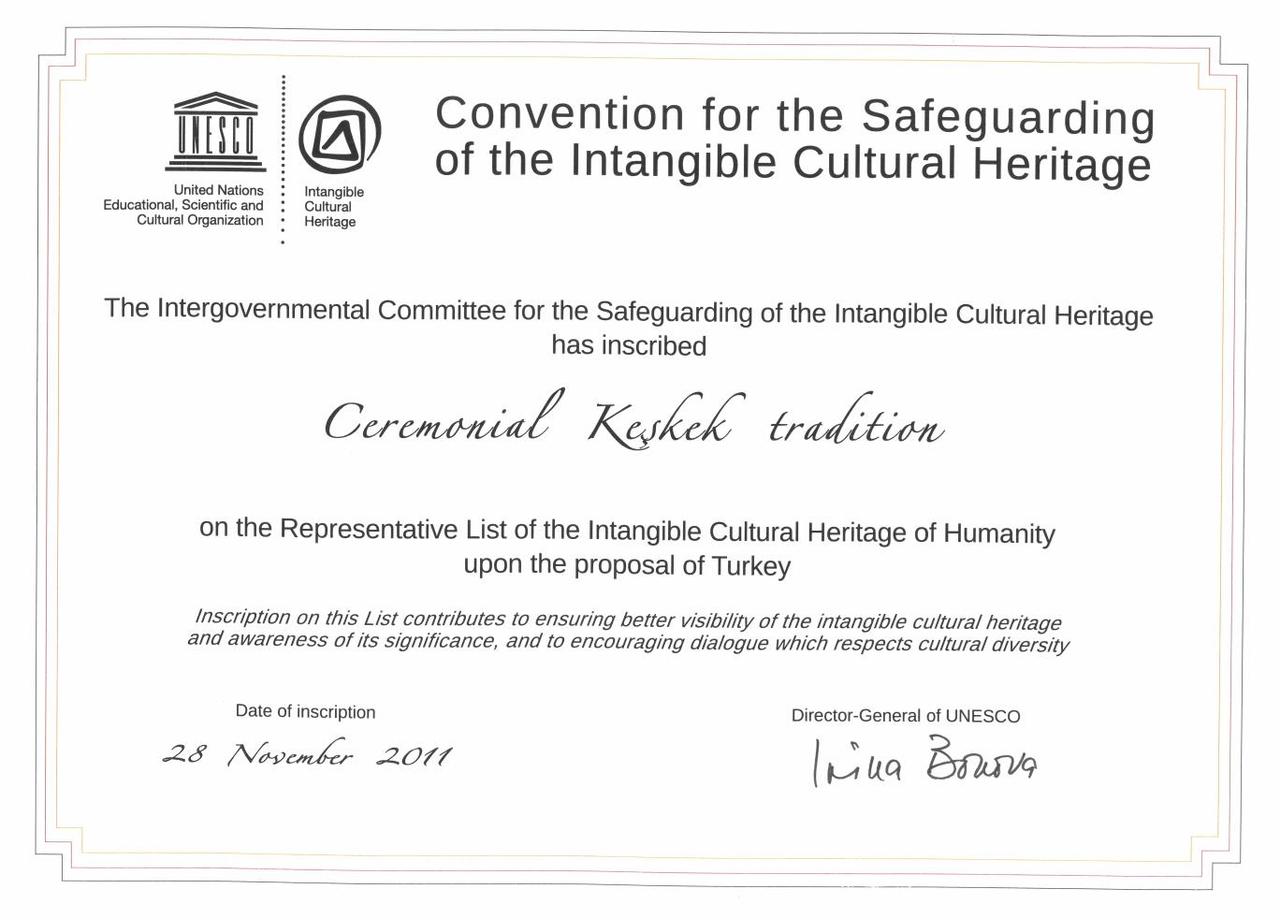
UNESCO Convention for the Safeguarding of the Intangible Cultural Heritage (Ministry of Culture and Tourism)
Today, the tradition of cooking keşkek continues in many regions of Anatolia. Its visibility is being enhanced through events supported by the Ministry of Culture and Tourism and festivals organized by local communities, enabling broader public engagement with this regional heritage.
Culture Portal. "Tören Keşkeği Geleneği." Accessed June 21, 2025. https://www.kulturportali.gov.tr/portal/torenkeskegigelenegi
T.C. Ministry of Culture and Tourism, General Directorate of Research and Education. "Tören Keşkeği Geleneği." Accessed June 21, 2025. https://yakegm.ktb.gov.tr/TR-345116/toren-keskegi-gelenegi.html

https://yakegm.ktb.gov.tr/TR-345116/toren-keskegi-gelenegi.html (Access Date: 22.06.2025)
Ceremony Keşkeği Tradition
Type(s) | Intangible Cultural Heritage | ||||||||
|---|---|---|---|---|---|---|---|---|---|
UNESCO Registration Date | 28 November 2011 | ||||||||
UNESCO List Type | Representative List of the Intangible Cultural Heritage of Humanity | ||||||||
No Discussion Added Yet
Start discussion for "Ceremony Keşkeği Tradition" article
Historical Background
Preparation Process
Social Function and Cultural Value
UNESCO Inscription
Current Status