

This article was automatically translated from the original Turkish version.
+2 More
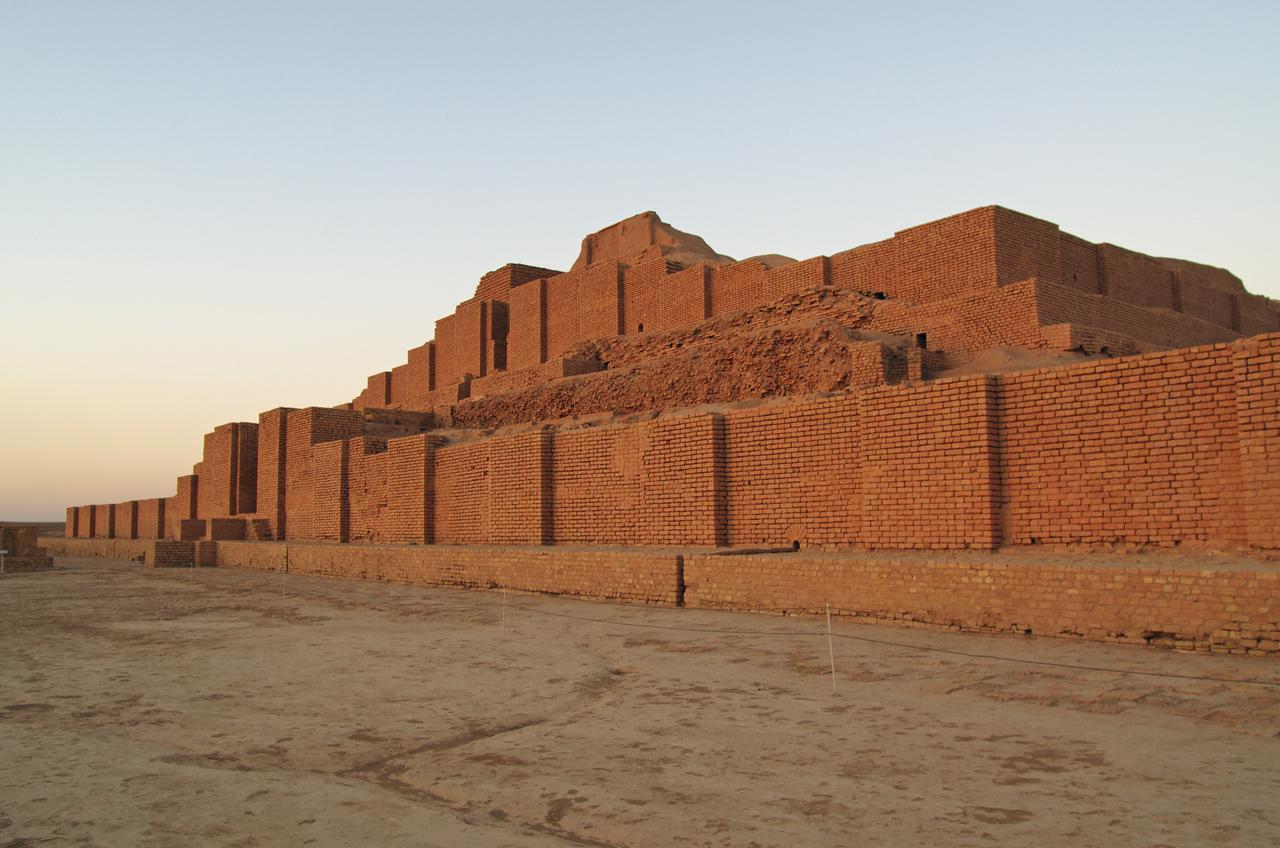
Chogha Zanbil is a city located in present-day Khuzestan Province, Iran, founded in the 13th century BCE by the Elamite king Untash-Napirisha. Known in the Elamite language as Dur-Untash (City of Untash), the settlement is particularly renowned for its monumental ziggurat, which reflects the religious architectural concepts of the Middle Elamite Period (approximately 1500–1100 BCE). Chogha Zanbil is notable for containing the largest and best-preserved ziggurat structure outside Mesopotamia.
The five-tiered ziggurat at its center is dedicated to the Elamite deities Inshushinak and Napirisha. The sacred complex, enclosed by three concentric walls, was never fully completed during construction and was abandoned after the king’s death. The site was discovered in 1935 and inscribed on the UNESCO World Heritage List in 1979.
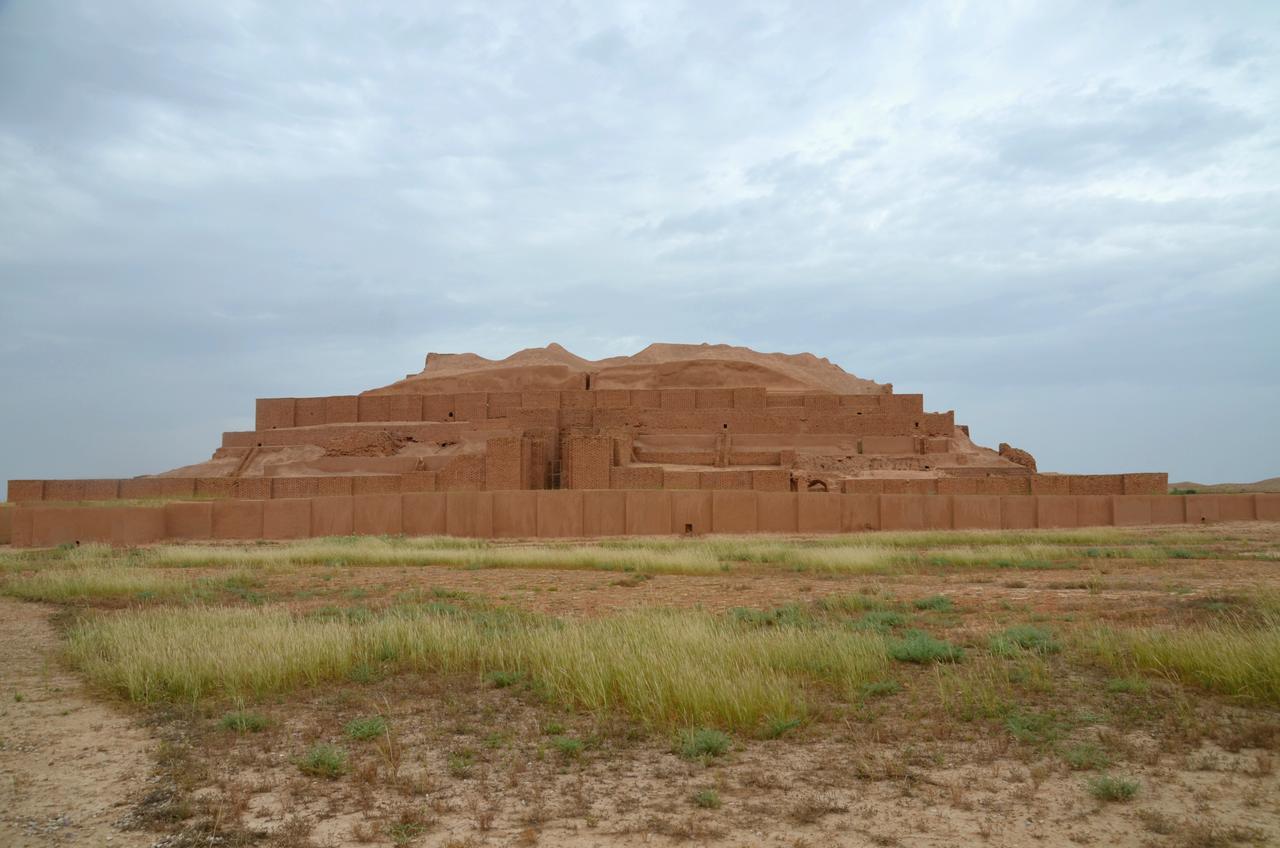
Chogha Zanbil Ziggurat (flickr)
Chogha Zanbil was discovered in 1935 through aerial photographs taken during oil exploration in southwestern Iran. The site, identified as an artificial mound, was recognized by French archaeologists. Initial excavations began in 1946, and the most comprehensive archaeological work was carried out between 1951 and 1962 under the leadership of Roman Ghirshman.
Excavations revealed, alongside the five-tiered ziggurat, three nested defensive walls, independent temples, water reservoirs, residential areas, and royal tombs. In the complex, which was abandoned during construction, unused mud bricks remain stacked as they were originally placed. The site has retained much of its integrity for archaeological documentation and analytical study.
The Elamite region where Chogha Zanbil was built encompassed southwestern modern-day Iran, extending from the Zagros Mountains in the north to the Iranian Plateau in the south, and was ethnically and culturally diverse. Elam existed throughout history as a loose federation governed through city-centers such as Awan/Anshan, Shimashki, and Susa. This political structure briefly coalesced under a unified framework only during the Middle Elamite Period, when Shutruk-Nahhunte and his successors established the Elamite Empire.
The Elamite language is a linguistic isolate with no known relation to any other language family, and its writing system remained undeciphered for a long time. The partial decipherment of Proto-Elamite script in the early 21st century has enabled greater understanding of Elamite history and culture. From the Old Elamite Period onward, the Elamites maintained close political and cultural ties with Mesopotamia, eventually adopting cuneiform script to record information about deities, rulers, and sacred sites.
The Middle Elamite Period, during which Chogha Zanbil was constructed, is one of the best-documented eras in terms of architecture, language, religion, and cultural expansion policies. During this period, cultural integration policies known as Elamization were implemented, particularly strengthening Elamite identity in the Susiana region.
The ziggurat at Chogha Zanbil is a prominent example of Middle Elamite architectural style. Built in the 13th century BCE by King Untash-Napirisha, it was dedicated to the Elamite deities Inshushinak and Napirisha. Designed as a five-tiered structure, it would have reached approximately 53 meters in height when completed, resting on a square base measuring 105.2 meters on each side. Today, the structure stands at a measured height of 24.75 meters.
The ziggurat features a central core surrounded by three concentric layers of walls. The outermost wall, with a perimeter of approximately four kilometers, protected royal residences and settlement areas; the second wall enclosed the temenos, the sacred precinct containing religious buildings; and the innermost wall surrounded the ziggurat itself. Mud brick was the primary construction material, while the exterior surfaces were coated with fired bricks to enhance durability. Every tenth row of bricks bears cuneiform inscriptions in Elamite and Akkadian as votive texts.
The ziggurat’s architecture is multilayered both functionally and symbolically. The lower levels are associated with the underworld, the intermediate levels with the earth, and the uppermost level with the sacred realm and the heavens. The uppermost temple platform symbolized the divine space, while the ground-level temples were dedicated to other deities such as Kiririsha. Of the seven gates, only the one facing the southwest is connected to the main staircase leading directly to the upper levels. The staircase design includes resting platforms.
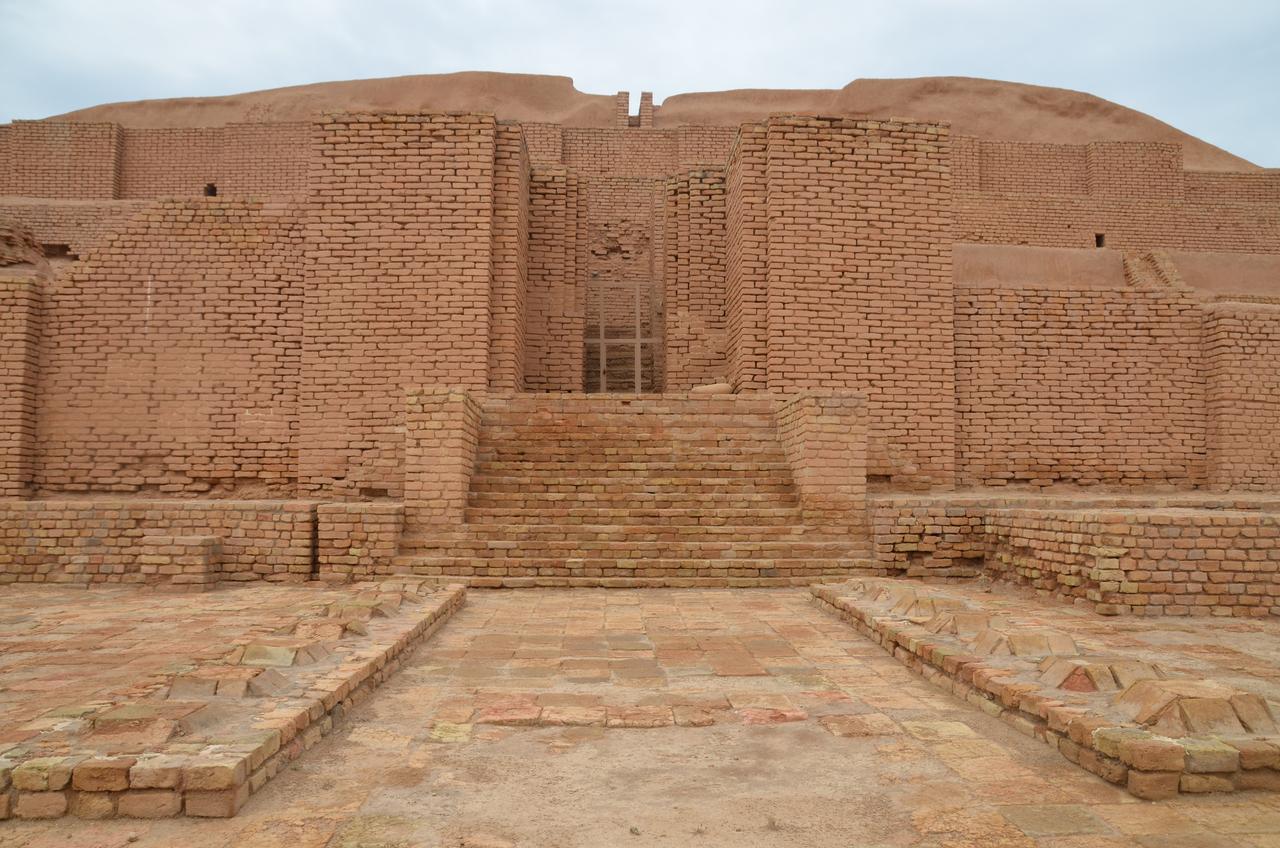
Staircases (flickr)
Surrounding the ziggurat are independent temples dedicated to deities, water reservoirs, priestly buildings, and subterranean tombs. The fact that one of two large structures in the royal quarter contained underground burial chambers indicates that this area was designed as a royal funerary complex. Decorative elements included colored glass, precious stones, winged griffin statues, and religious iconography.
Chogha Zanbil was added to Iran’s National Monuments List in 1970 and inscribed on the UNESCO World Heritage List in 1979. It was recognized for its Outstanding Universal Value under Criteria III and IV, due to its representation of the original religious and architectural concepts of the Middle Elamite Period.
The site’s rural location has contributed significantly to its preservation with minimal damage over time. The original materials and structural form of the ziggurat remain intact, and its architectural integrity is preserved. However, the site faces threats from heavy rainfall, changes in the course of the Ab-e Diz River, environmental pollution from sugarcane cultivation, and deforestation.
Conservation efforts have been conducted since 1998 by the Iranian Cultural Heritage, Handicrafts and Tourism Organization, under a management plan established in 2003 that prioritizes sustainability, environmental control, and visitor management. Climbing the ziggurat was prohibited in 2002, and security and lighting systems have been installed. The conservation approach follows the principle of “minimal intervention,” aiming to preserve the site’s historical authenticity without compromising its integrity.
Afkhami, Behrouz. “PHENOMENOLOGY OF CHOGHA ZANBI¯L ZIGGURAT”. *Journal of Ancient History and Archaeology* 6, no. 1 (2019): 5–13. Accessed October 9, 2025. https://www.researchgate.net/publication/332465948_Phenomenology_Chogha_Zanbil_Ziggurat
Mark, Joshua J. “Chogha Zanbil.” World History Encyclopedia. Accessed October 9, 2025. https://www.worldhistory.org/Chogha_Zanbil/
Peuplier. "Ziggurat Choga Zanbil JPG." Flickr. Accessed October 9, 2025. https://flic.kr/p/R8p86j
Raddato, Carole. “Chogha Zanbil, Iran JPG.” Flickr. Accessed October 9, 2025. https://flic.kr/p/2etQuw8
Raddato, Carole. “The Southeastern Stairway, Chogha Zanbil, an ancient Elamite complex founded around 1250 BC by the Elamite king Untash-Napirisha as the religious centre of Elam, Iran JPG.” Flickr. Accessed October 9, 2025. https://flic.kr/p/2fNdAus
UNESCO. “Tchogha Zanbil.” World Heritage Convention. Accessed October 9, 2025. https://whc.unesco.org/en/list/113/

Discovery and Archaeological Excavations
Historical Background
Architecture and Structural Features of the Ziggurat
Conservation Status and UNESCO World Heritage Status