

This article was automatically translated from the original Turkish version.
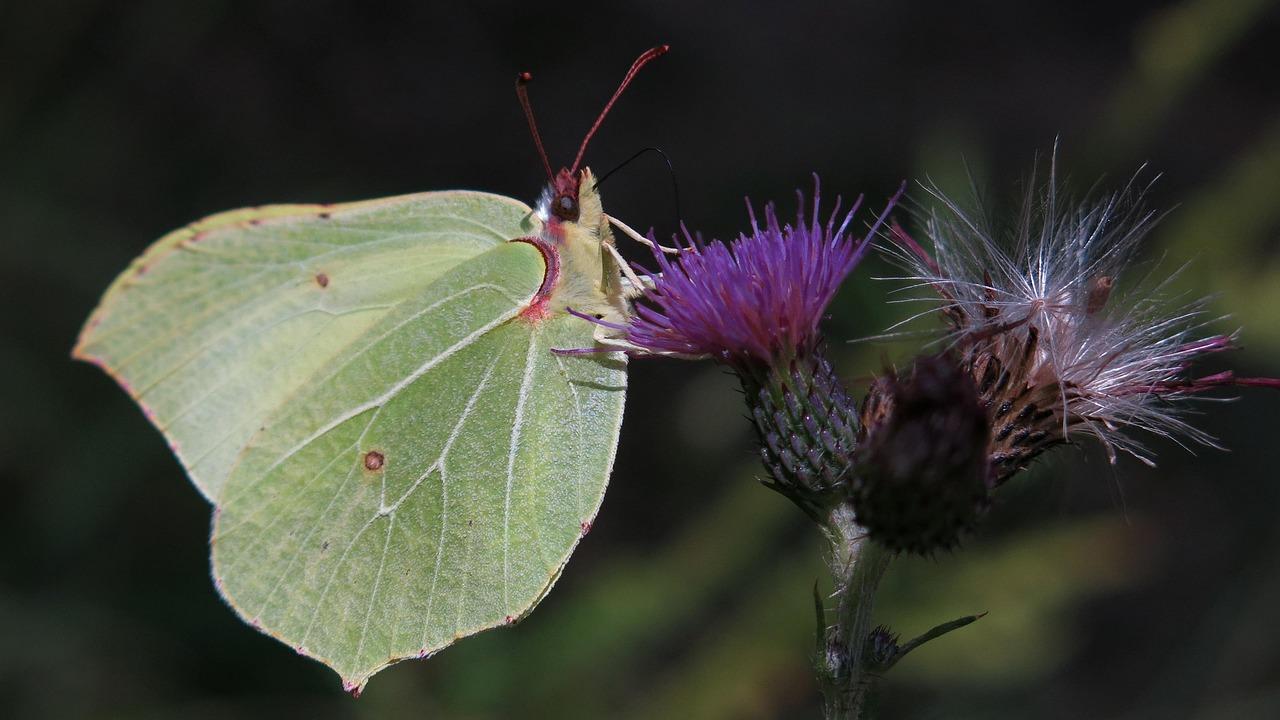
Gonepteryx rhamni is a widespread butterfly species in the Palaearctic biogeographic region, belonging to the Pieridae family and commonly known as the Common Brimstone or Lemon Butterfly. Its distinctive wing structure has evolved to resemble the venation and shape of a leaf, with pronounced hook-like tips. First described by Linnaeus in 1758, this species is considered one of the longest-lived butterflies, capable of entering winter dormancy as an adult and living up to 10 to 12 months.

Gonepteryx rhamni (Pıxabay)

Gonepteryx rhamni (Pıxabay)
The species exhibits marked sexual dimorphism in morphology: males are bright lemon yellow, while females are pale greenish or cream-white. Both sexes possess an orange-brown discal spot on each wing and are covered with grayish long hairs. Genetic studies have shown that the complete mitochondrial genome of Gonepteryx rhamni is approximately 15,351 base pairs in length. This genome structure includes 13 protein-coding genes (PCGs), 22 transfer RNA (tRNA) genes, and 2 ribosomal RNA (rRNA) genes.
Gonepteryx rhamni inhabits forest clearings, valley slopes, and gardens, ranging from sea level to high-altitude mountainous areas. The reproductive success of the species is closely tied to the presence of its host plants, Frangula alnus (alder buckthorn) and Rhamnus (buckthorn) species. Females prefer to lay eggs on young shoots or leaf buds of these plants, a choice that directly affects larval nutrition. Additionally, these butterflies develop sensitive antennal responses to floral scents, enabling them to effectively utilize olfactory cues during foraging.
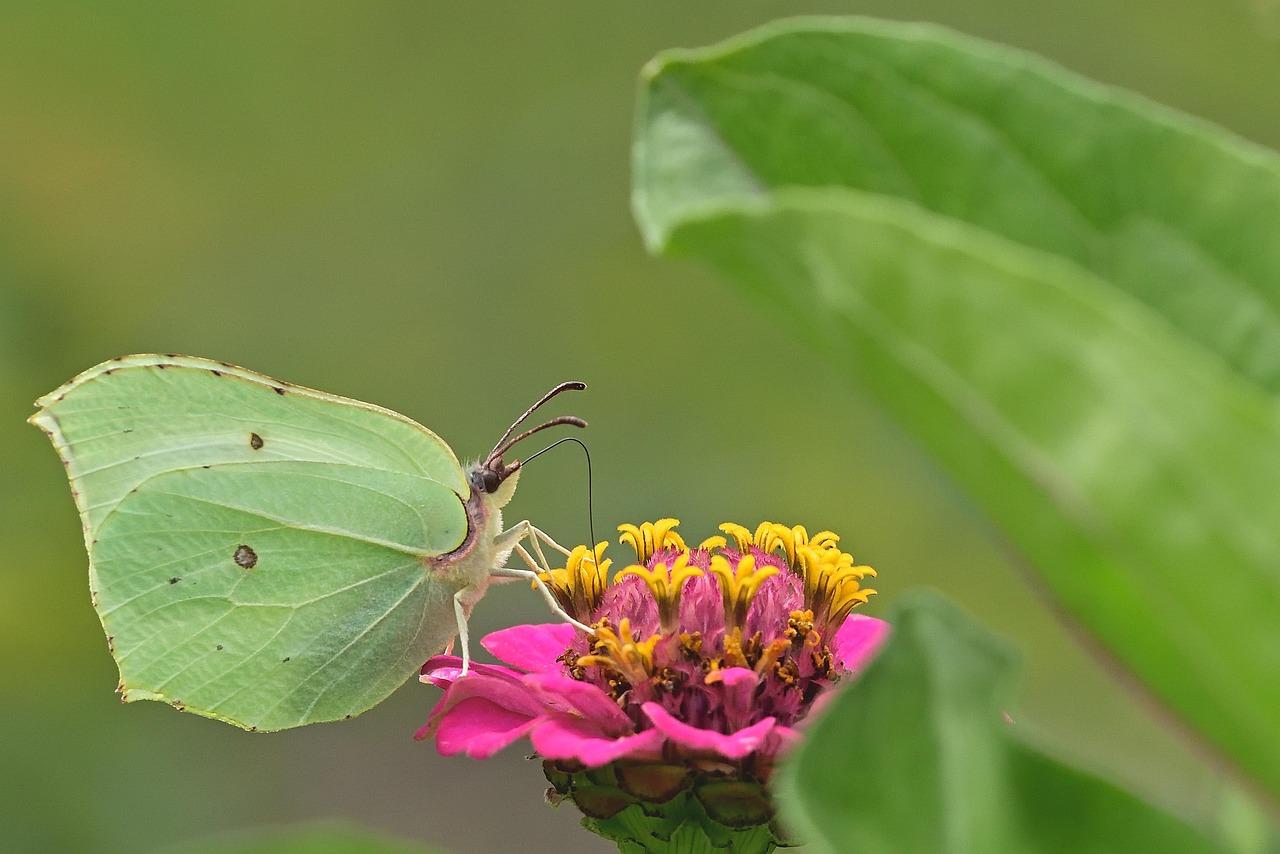
Gonepteryx rhamni (Pıxabay)
Studies conducted in northern regions such as Sweden have revealed that males emerge from winter dormancy earlier than females (protandry), providing a strategic advantage in reproductive timing. In this univoltine species, newly emerged adults in midsummer feed intensively to accumulate energy reserves before entering winter dormancy. They typically select sheltered plant coverings such as ivy clumps or dense shrubs as hibernation sites to protect themselves from extreme weather conditions.

No Discussion Added Yet
Start discussion for "Common Brimstone (Gonepteryx rhamni)" article
Morphological Characteristics and Mitochondrial Structure
Habitat and Ecological Requirements
Reproductive Phenology and Life Cycle