

 Recently Added:
This article was automatically translated from the original Turkish version.
Congo – Rubaya Mine Collapse (2026), a large-scale collapse that occurred on 29 January 2026 at the Rubaya coltan mine in the North Kivu province of the Democratic Republic of the Congo. At least 227 people lost their lives in the incident, including miners, women and children.
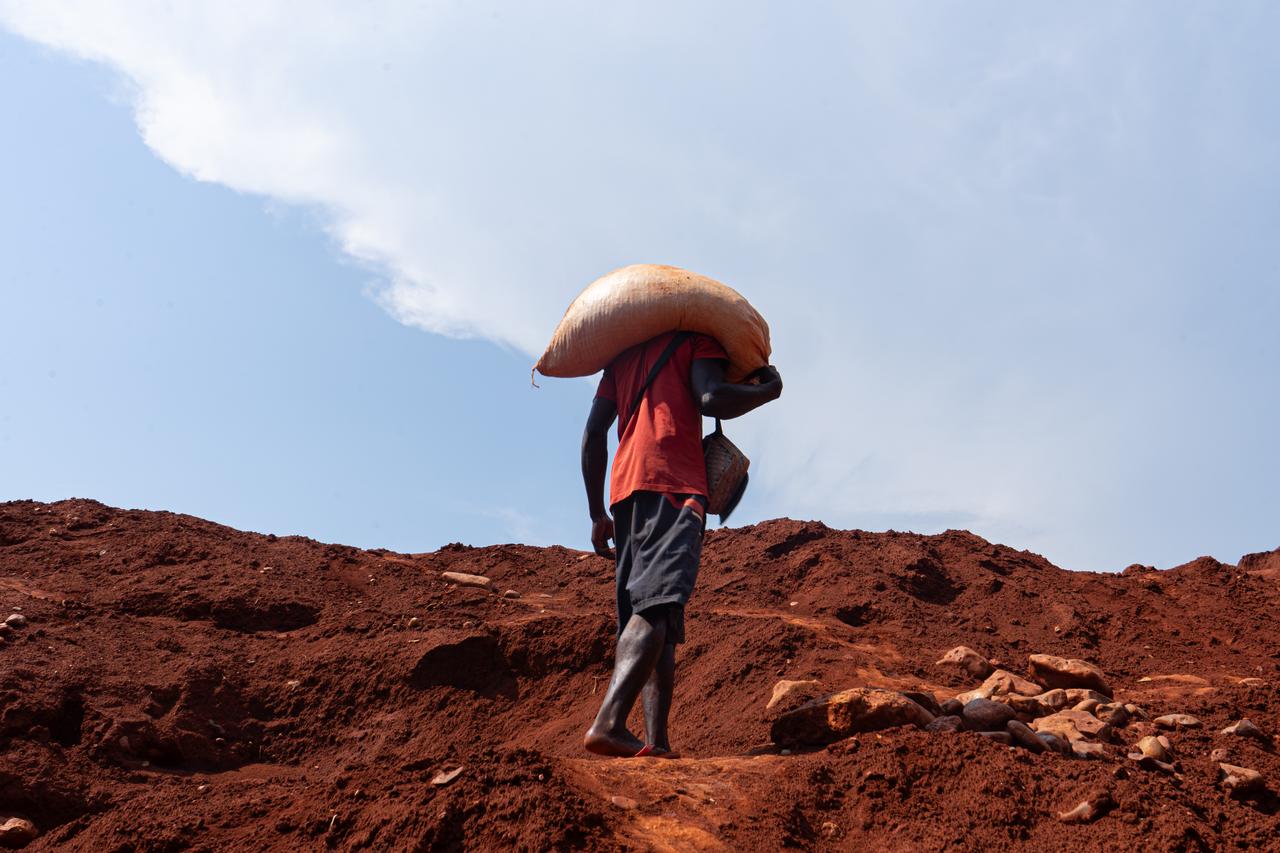
A miner in the Democratic Republic of the Congo. – (Anadolu Ajansı)
The collapse occurred on Wednesday, 29 January 2026, in the town of Rubaya, approximately 60 kilometers northwest of Goma, the capital of North Kivu province. Rubaya is a mining center responsible for approximately 15% of the world’s coltan production. Coltan is processed into tantalum, a heat-resistant metal used in the production of mobile phones, computers, aircraft engines and gas turbines.
Lumumba Kambere Muyisa, spokesperson for the North Kivu provincial government appointed by M23 (AFC), stated on 31 January that the collapse was caused by ground failure following heavy rainfall. Muyisa said, “More than 200 people became victims of this landslide; among them are miners, children and women working in the market. Some were rescued at the last moment and are seriously injured.”
Approximately 20 injured were treated at health centers in Rubaya. Subsequent official statements confirmed that the confirmed death toll was at least 227. Eraston Bahati Musanga, speaking to AFP as the M23-appointed provincial governor, confirmed that “some bodies have been recovered” but did not provide a precise figure.
Another witness, miner Franck Bolingo, said, “It rained heavily, then the soil slid and swept people away; some were buried alive and others are still trapped inside the mine.”
Injured individuals were transported to nearby health centers, with plans to transfer them to the city of Goma. The M23 administration temporarily halted manual mining operations at the site and ordered the evacuation of civilians who had settled near the mine.
Following the collapse, a former miner stated, “Tunnels are dug by hand, poorly constructed and never maintained. Up to 500 miners can be present in a single shaft; a collapse can affect multiple galleries simultaneously.”
The Rubaya mines have been under the control of the M23 rebel group since May 2024. According to United Nations reports, the group earns at least $800,000 monthly from the trade of coltan extracted from these mines.
The UN has stated that M23 uses these revenues to sustain its insurgency and that the Rwandan government provides support to the group; Kigali has denied these allegations. M23 has stated its aim is to overthrow the government of the Democratic Republic of the Congo and ensure the security of the Tutsi minority.
The Democratic Republic of the Congo supplies approximately 40% of the world’s coltan production. The Rubaya mines are said to account for more than 15% of this output. Yet, more than 70% of the Congolese population lives on less than $2.15 per day. Eastern Congo remains an unstable region due to conflicts between armed groups, government forces and foreign-backed militias. As of 2026, clashes between M23 rebels and the national army continue on multiple fronts.
Al Jazeera. "More Than 200 Killed in Mine Collapse in Eastern DR Congo: Report." Al Jazeera, January 31, 2026. Accessed January 31, 2026. https://www.aljazeera.com/news/2026/1/31/more-than-200-killed-in-mine-collapse-in-eastern-dr-congo-report
Coast Reporter. “Mine Collapses in Eastern Congo, Leaving at Least 200 Dead, Rebel Authorities Say.” Coast Reporter. Accessed January 31, 2026. https://www.coastreporter.net/world-news/mine-collapses-in-eastern-congo-leaving-at-least-200-dead-rebel-authorities-say-11817714
Reuters. "More Than 200 Killed in Coltan Mine Collapse in East Congo, Official Says." Reuters, January 30, 2026. Accessed January 31, 2026. https://www.reuters.com/world/africa/more-than-200-killed-coltan-mine-collapse-east-congo-official-says-2026-01-30/

On 29 January 2026, a major collapse occurred at the Rubaya coltan mine in the North Kivu province of the Democratic Republic of the Congo. At least 227 people lost their lives and many others were injured. The collapse was reported to have been caused by soil subsidence due to heavy rainfall. It was revealed that the mine has been under the control of the M23 group since 2024.
No Discussion Added Yet
Start discussion for "Congo - Rubaya Mine Disaster (2026)" article
January 31, 2026
Location and Timing of the Incident
January 31, 2026
Course of the Disaster and Casualties
January 31, 2026
Rescue Operations
January 31, 2026
Socioeconomic and Political Background