

This article was automatically translated from the original Turkish version.
Could there be a secret that protects your brain from dementia, or might having a conscience subtly strengthen your brain without you even realizing it?
Research suggests that a conscientious personality may serve as a shield not only for your character but also for your mental health.
Scientists have found surprising evidence in their studies that conscientious individuals face a lower risk of dementia.
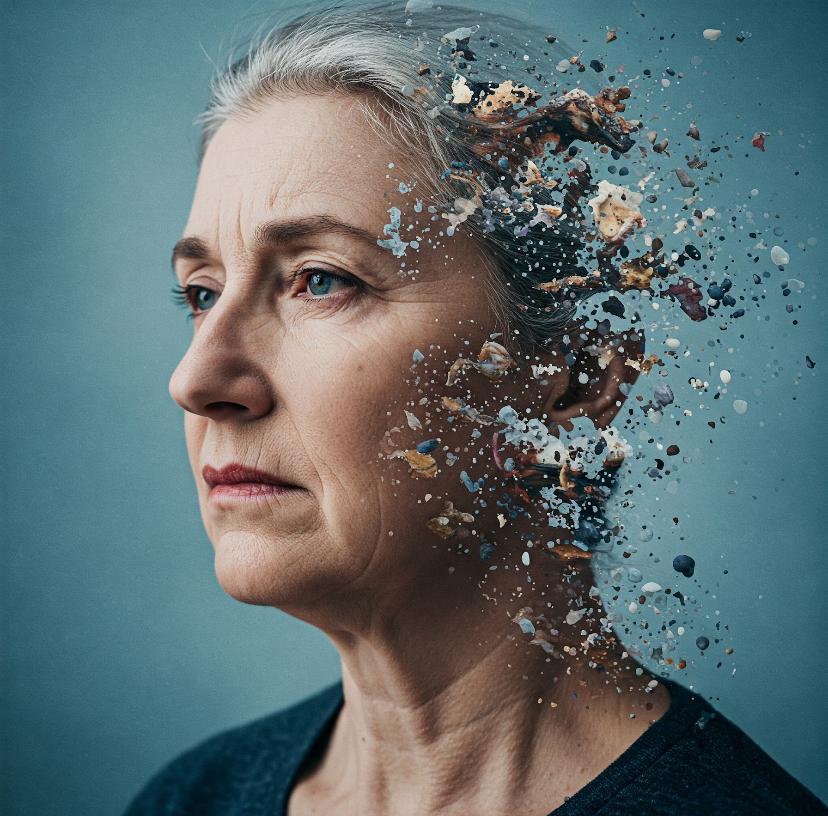
Visual representing the damage dementia causes to the brain (generated by artificial intelligence).
So what is conscience?
“A feeling in humans that distinguishes good from evil, leading to peace when acting well and anguish when acting wrongly, and compelling one to make a fair judgment about one’s behavior.”
In modern medicine and psychological research, could conscience act as a protective shield against dementia?
Studies show that conscientious individuals tend to develop healthier habits, experience less stress, and lead more active lives.
These factors may help prevent neurological damage in the brain and slow age-related cognitive decline.
Conscientious individuals also tend to maintain strong social connections, thereby protecting themselves from factors such as loneliness and isolation that increase dementia risk.
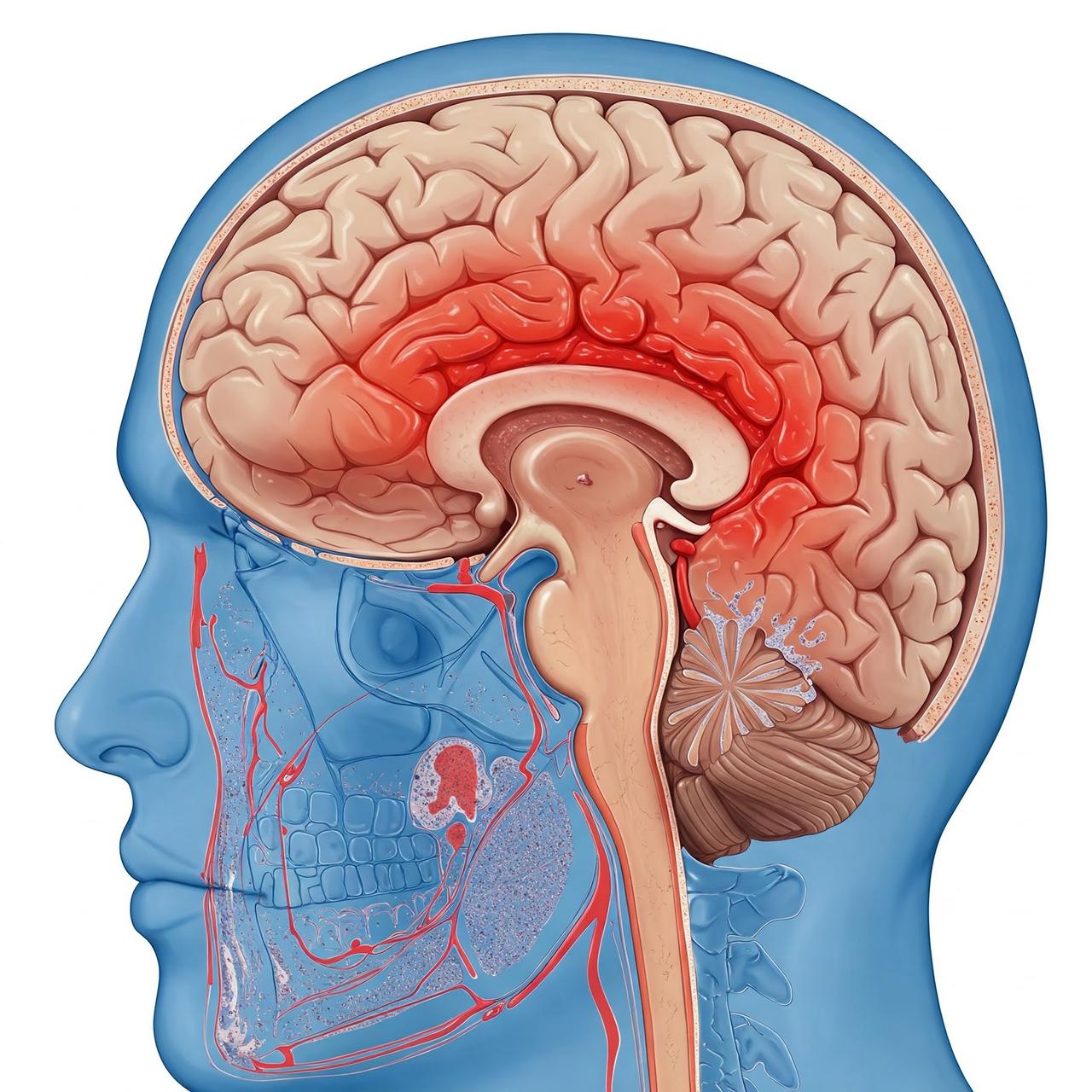
Visual showing neurological damage in the brain (generated by artificial intelligence).
According to an analysis conducted by researchers at the University of California, Davis and Northwestern University, individuals with conscientious traits have a lower likelihood of being diagnosed with dementia compared to those with emotional instability and negative emotional tendencies.
Researchers conducted a meta-analysis of data from eight published studies, encompassing more than 44 000 individuals.
This analysis aimed to evaluate the impact of personality traits on dementia risk from a broader perspective.
The findings indicate that personality traits may have a significant influence on dementia risk.
The researchers emphasized that interventions targeting personality traits could represent a potential strategy for reducing dementia risk, provided these relationships are better understood.
Lugatim.com. "Vicdan." Accessed May 1, 2025.
University of California - Davis. 2023. “Conscientious Personalities Less at Risk of Dementia Diagnosis.” *ScienceDaily*, November 29, 2023. https://www.sciencedaily.com/releases/2023/11/231129112500.htm.
Key Findings of the Study
Study Methodology