This article was automatically translated from the original Turkish version.
+1 More
Type of Geographical İndication | Mahreç Sign | ||||||||
|---|---|---|---|---|---|---|---|---|---|
File Number | C2022/000185 | ||||||||
Application Date | 13.06.2022 | ||||||||
Registration Number | 1529 | ||||||||
Registration Date | 29.01.2024 | ||||||||
Product / Product Group(s) | Other products | ||||||||
Applicant/Registrant(s) | Çukurca District Governorship | ||||||||
Status | Registered | ||||||||
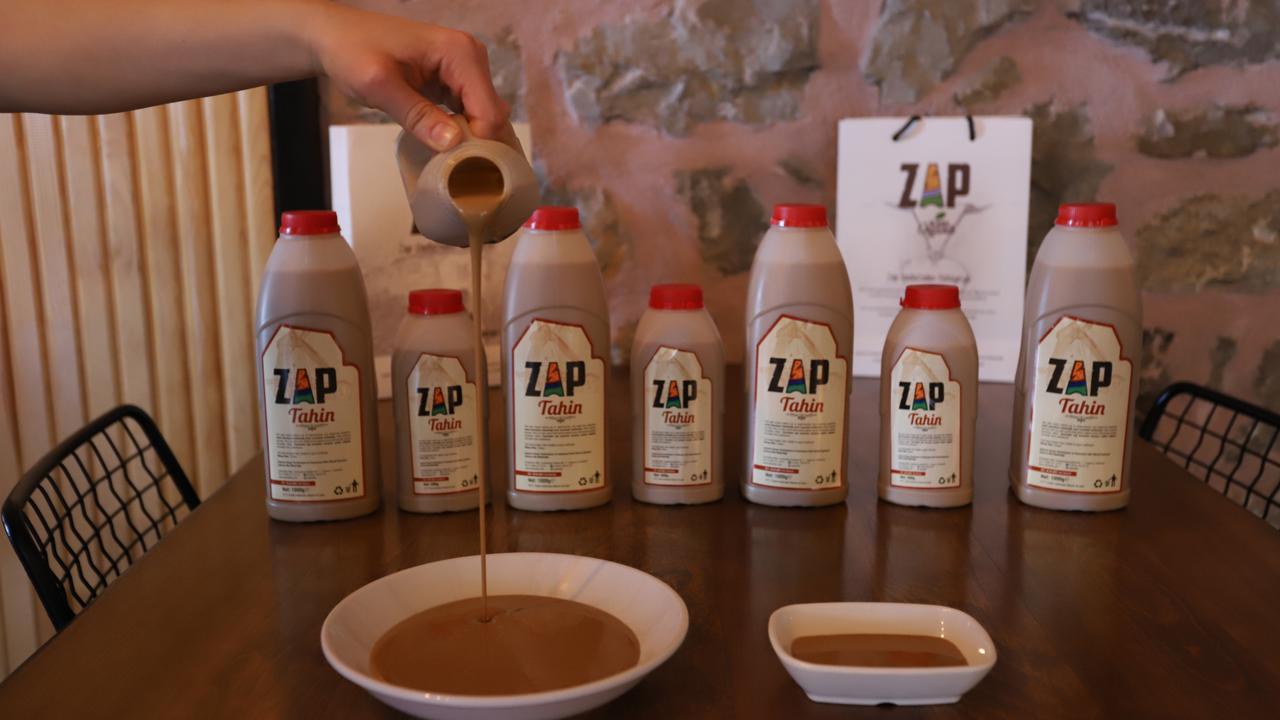
Çukurca Tahini is a unique type of tahini produced in the Çukurca district of Hakkâri province, using sesame seeds ground in stone mills, and officially registered as a geographical indication by the Turkish Patent and Trademark Office. Registered under number 1529, Çukurca Tahini was officially registered on 29 January 2024 for protection effective from 13 June 2022. The registering authority is the Çukurca District Governorship.
Çukurca Tahini acquires its distinctive qualities through the use of sesame seeds roasted over oak wood fire and stone mills turned by water during production. This specialized method prevents the formation of sediment and a layer of oil on the surface. Due to the prolonged roasting of the sesame seeds, Çukurca Tahini has a color ranging from brown to dark brown and a fluid consistency.
Çukurca Tahini holds an important place in the cuisine of the Çukurca district and has a long-standing tradition. Its production, particularly in the stages of sesame cultivation and preparation for tahini making, requires specific local knowledge and skilled craftsmanship tied to the region. Therefore, all stages of Çukurca Tahini production must be carried out within the defined geographical boundary (Çukurca district of Hakkâri province). This geographical connection reinforces the product’s reputation.
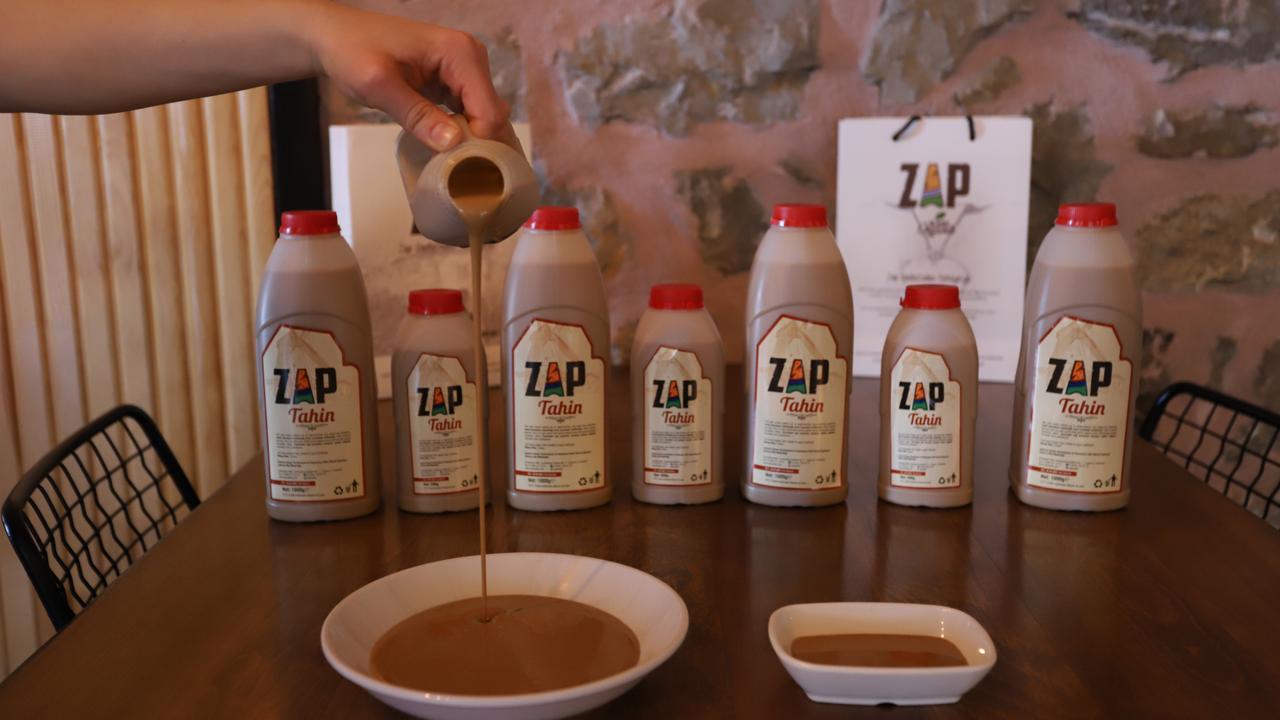
Çukurca Tahini (Anadolu Agency)
The production of Çukurca Tahini begins with the preferential use of sesame seeds grown within the designated geographical boundary.
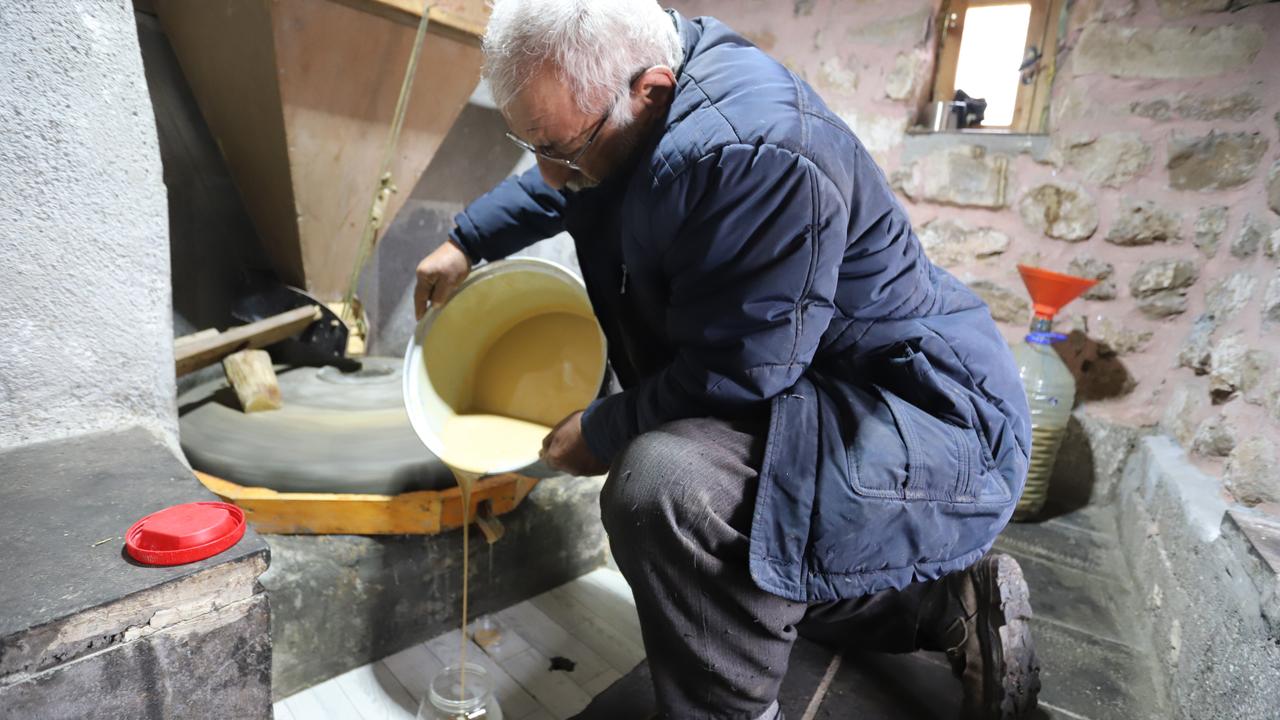
A Visual of Çukurca Tahini Production (Anadolu Agency)
Monitoring of Çukurca Tahini is conducted by a supervisory body composed of three experts—one each from the Çukurca District Governorship, the Çukurca District Directorate of Agriculture, and the Çukurca Municipality—coordinated by the Çukurca District Governorship. Inspections are carried out annually on a regular basis, as needed, and in response to complaints. These inspections focus on compliance with the production method, adherence to product specifications, and proper use of the designation “Çukurca Tahini,” its logo, and its geographical indication emblem, particularly during the wetting and roasting stages. The supervisory body may seek expert assistance from public or private institutions during inspections. The registering authority manages legal procedures to protect the rights associated with the product.
Anadolu Ajansı. “Irak sınırındaki Çukurca’nın kaderi tahinle değişti.” Anadolu Ajansı, March 26, 2022. Accessed July 15, 2025. https://www.aa.com.tr/tr/gundem/irak-sinirindaki-cukurcanin-kaderi-tahinle-degisti-/2546409.
Turk Patent and Trademark Office. "Çukurca Tahini." Geographical Indications Information and Documentation System. Accessed July 15, 2025. https://ci.turkpatent.gov.tr/cografi-isaretler/detay/6963.
Turkish Patent and Trademark Office. "Çukurca Tahini – Tescil Belgesi" (PDF). Geographical Indications Information and Documentation System. Accessed July 15, 2025. https://ci.turkpatent.gov.tr/Files/GeographicalSigns/84233834-0de4-4e95-8195-62f083e4644a.pdf.

Type of Geographical İndication | Mahreç Sign | ||||||||
|---|---|---|---|---|---|---|---|---|---|
File Number | C2022/000185 | ||||||||
Application Date | 13.06.2022 | ||||||||
Registration Number | 1529 | ||||||||
Registration Date | 29.01.2024 | ||||||||
Product / Product Group(s) | Other products | ||||||||
Applicant/Registrant(s) | Çukurca District Governorship | ||||||||
Status | Registered | ||||||||
Distinguishing Characteristics
Historical Significance and Geographical Connection
Production Method
Sesame Cultivation and Preparation:
Roasting and Grinding:
Monitoring