
This article was automatically translated from the original Turkish version.
+2 More
Deva-i Misk Helvası is a traditional sweet originating from Edirne, with roots in the Ottoman Imperial Kitchen, distinguished by its rich blend of spices and the distinctive aroma of musk. Its history dates back to the periods when Edirne served as the capital of the Ottoman Empire. Due to its perceived health benefits and unique fragrance, it held a special place in Ottoman court cuisine and continues to be preserved today as an important product within Edirne’s culinary culture.
Deva-i Misk Helvası is prepared by carefully blending sugar, water, egg white, potassium bitartrate, and 39 different spices. Its composition consists of 73% sugar, 25% water, 1.5% egg white, 0.4% spice mixture, and 0.1% potassium bitartrate. The spice blend includes cinnamon, clove, ginger, nutmeg, coconut, black pepper, anise, cardamom, saffron, bay leaf, and mint, among others. The distinctive feature of the product lies in the unique aroma and flavor profile imparted by musk, a rare and valuable aromatic substance. Musk is secreted by the musk deer native to Asia and was used in Ottoman court cuisine as a fragrance agent in both sweets and syrups.
Several legends surround the origin of Deva-i Misk Helvası. One account relates that when Sultan Murad II arrived in Edirne, an Egyptian confectioner presented him with this helva, which the sultan named “Deva-i Misk” (Musk Remedy). Another tradition holds that the helva cured the illness of the sultan’s daughter. It was also known to be specially prepared for court officials and weak princes. In Ottoman Edirne, the helva was distributed free to the public and served during important religious and social occasions at the Şifahane of Sultan Bayezid II. Today, it can be found in renowned confectionery shops in Edirne.

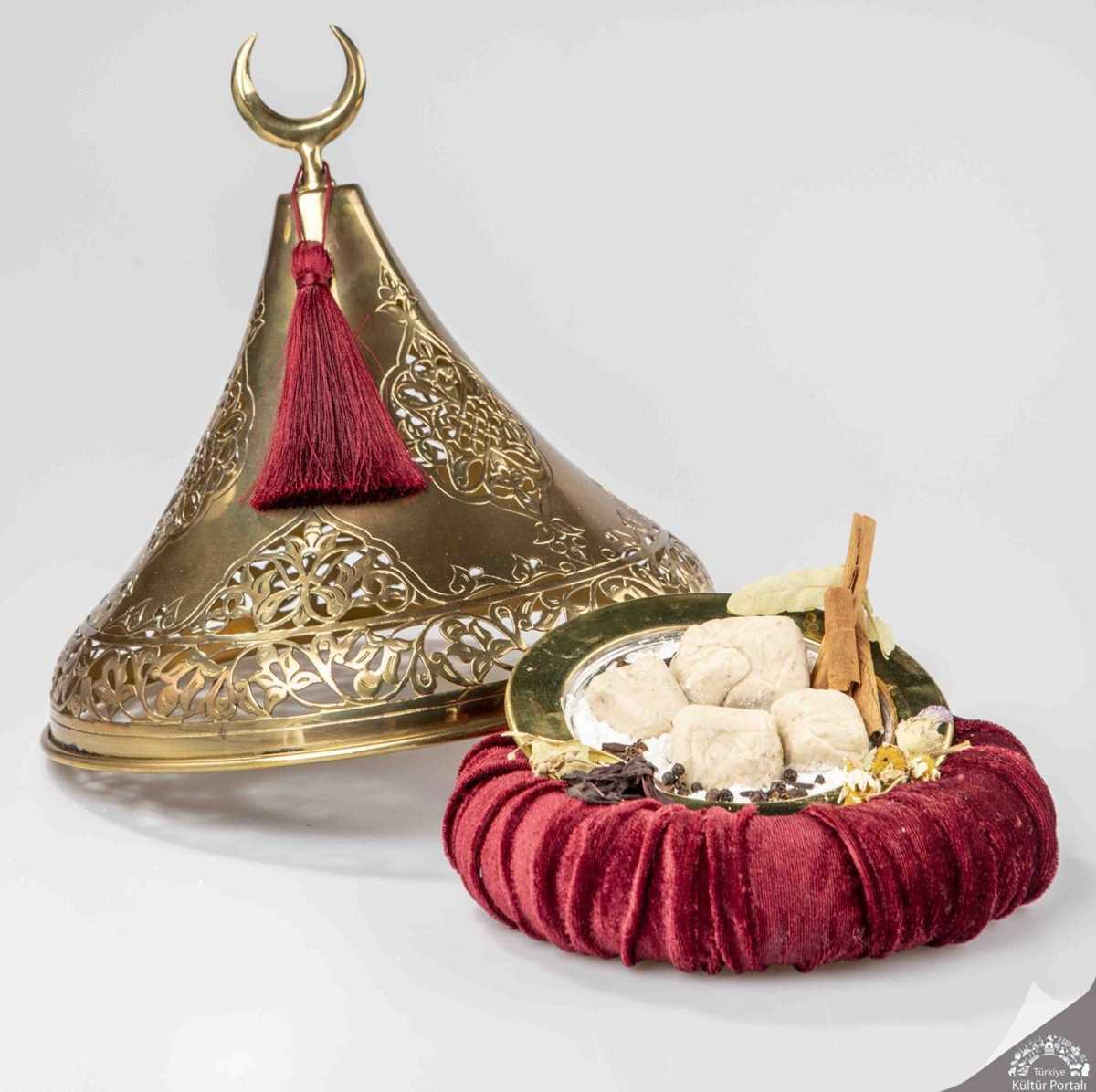
Deva-i Misk Helvası (Türkiye Culture Portal)
Cinnamon, clove, nutmeg, ginger, coconut, black pepper, anise, karahalile, sarıhalile, cardamom, havlıcan, mürsafi, orange peel, meyan honey, pollen, fennel, kebabiye, günlük, hıyarışember, saffron, cumin, hatmi flower, linden, turmeric, karabaş herb, rosehip, stinging nettle, grape powder, flaxseed powder, hornbeam powder, blackberry, oregano, rosemary, çakışır, bay leaf, lovage, mint, pine resin, sinameki.
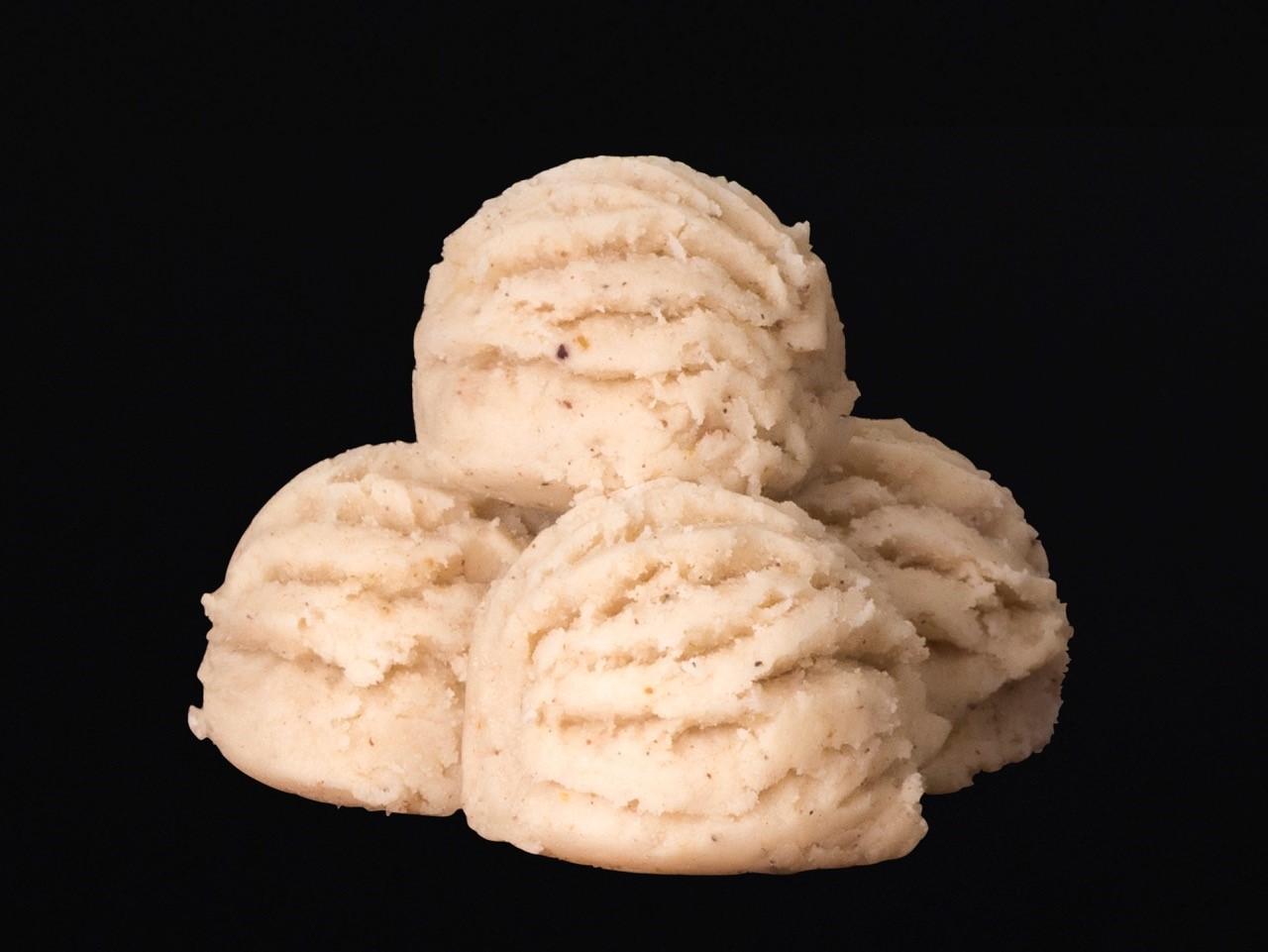
Deva-i Misk Helvası (Turkish Patent and Trademark Office)
Deva-i Misk Helvası was officially registered under the “Geographical Indication” system by the Turkish Patent and Trademark Office on 6 January 2021 (Registration No: 643), with its geographical boundaries limited to Edirne Province. Production, processing, and packaging activities must take place within the administrative boundaries of Edirne. Inspections are conducted at least twice annually by relevant agricultural and trade chambers under the coordination of the Edirne Chamber of Commerce. Compliance with the traditional production method, the quantity and quality of spices used, and packaging procedures are among the key inspection criteria.
Accessed July 8, 2025.
Accessed July 8, 2025.
Accessed July 8, 2025.
Accessed July 8, 2025.
Accessed July 8, 2025.
Edirne Belediyesi. "Deva-i Misk Helvası." Edirne Belediyesi.
Kültür Portalı. "Deva-i Misk Helvası 1." Kültür ve Turizm Bakanlığı.
Kültür Portalı. "Deva-i Misk Helvası." Kültür ve Turizm Bakanlığı.
Türk Patent ve Marka Kurumu. "Coğrafi İşaretler – Deva-i Misk Helvası."
Türk Patent ve Marka Kurumu. Coğrafi İşaret Tescil Belgesi – Deva-i Misk Helvası.

No Discussion Added Yet
Start discussion for "Deva-i Misk Helvası" article
Description and Distinctive Characteristics
History and Cultural Significance
Ingredients
Spices and Components
Preparation Method
Regulation and Geographical Indication