
This article was automatically translated from the original Turkish version.
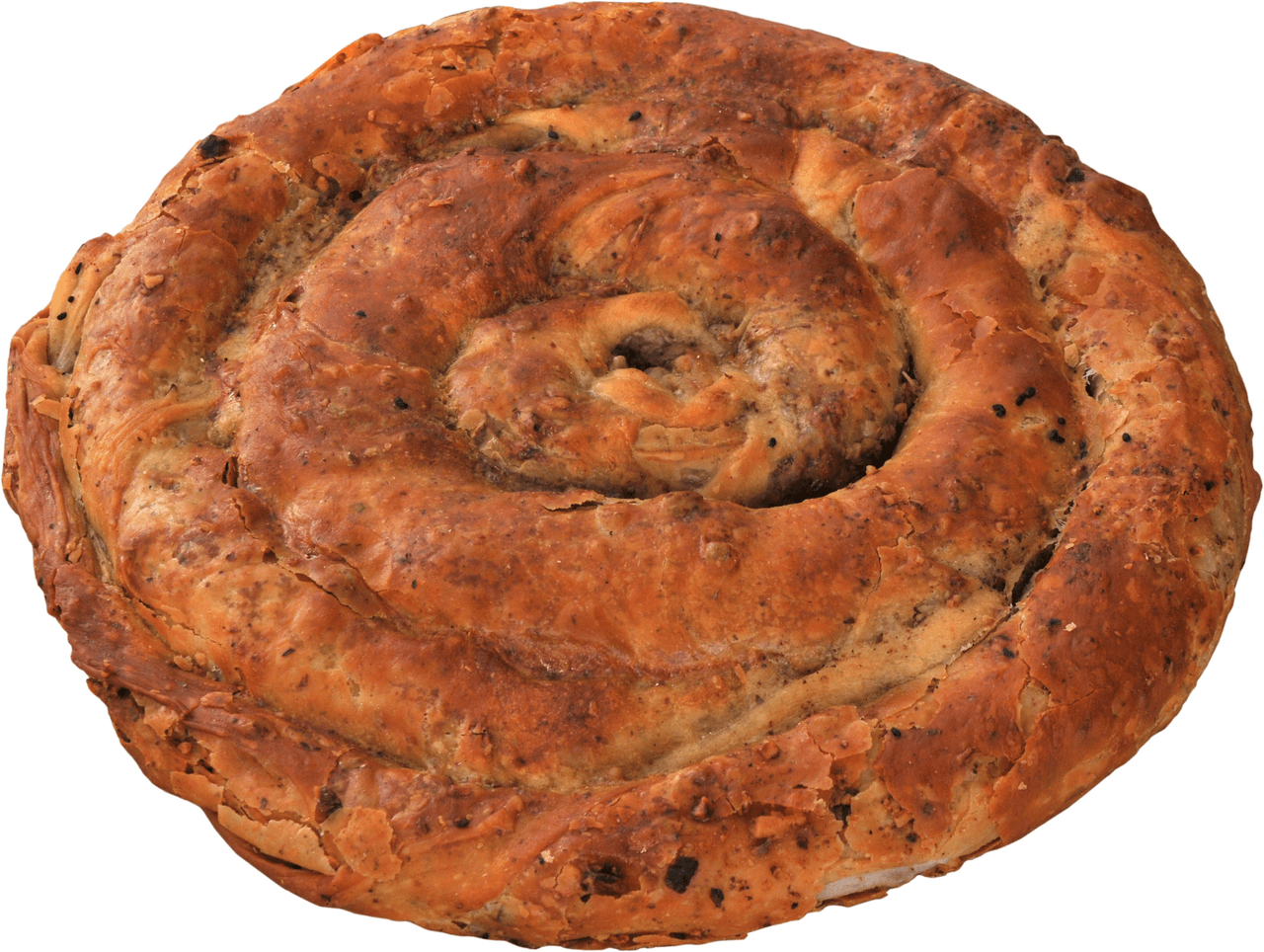
Zonguldak province’s Devrek district is closely associated with a traditional dough-based product. The product has been officially registered as a geographical indication. This regional delicacy, historically prepared within families for special occasions such as religious holidays, engagements, and weddings for home consumption and guest hospitality, continues to be produced using traditional methods and has now acquired the status of a commercial product. The key elements that distinguish the product are the special walnuts grown in the rural areas of Devrek and the flour derived from local wheat, known in the region as “yerli buğday” or wheat with similar characteristics.
Devrek kömeci / Devrek walnut kömeci is made from dough prepared using local wheat flour, water, and milk, combined with the region’s distinctive thin-shelled and easily broken walnut kernels. The product can be prepared either with or without yeast (especially sourdough). The walnuts used, locally referred to as “koz,” have an oil content ranging between 50% and 65%. Each 100 grams of walnut kernel contains approximately 654 kJ of energy, 65.21 g of fat, and 15.2 g of protein. The flour used in production is a blend of coarse whole wheat flour and hard wheat flour, both ground from local wheat.
The production method follows traditional steps and can be summarized as follows:
The geographical boundary for Devrek kömeci / Devrek walnut kömeci is limited to the Devrek district of Zonguldak province. To preserve the product’s distinctive qualities, the walnuts and flour used in production must originate from Devrek, and all production stages must be carried out entirely within this geographical boundary.
A monitoring body has been established to verify compliance with the registered product specifications and operates under the coordination of the Devrek Gökçebey Culture and Mutual Aid Association. The monitoring body includes representatives from the following organizations: Bülent Ecevit University Devrek Vocational School, Devrek District Directorate of Agriculture and Forestry, Devrek Chamber of Trades and Crafts, and the Limited Liability Devrek Center Dedeoğlu and Çolak Pehlivan Village Agricultural Development Cooperative.
Inspections focus particularly on whether production conditions specified in the registration certificate are followed and whether the walnuts and flour used are genuinely sourced from Devrek. The monitoring body also engages in activities related to product promotion, advertising, complaints, and suggestions. Producers who fail to comply with the rules are first issued a warning; in cases of recurrence, relevant professional associations and consumer protection authorities are notified.
Turk Patent and Trademark Office. "Devrek Kömeci/Devrek Cevizli Kömeci." Geographical Indication Registration Certificate. Accessed October 26, 2025. https://ci.turkpatent.gov.tr/Files/GeographicalSigns/4f11259a-39bb-4d30-b201-0a93f1dbd683.pdf
Turkish Patent and Trademark Office. "Devrek Kömeci/Devrek Cevizli Kömeci." Geographical Indications Portal. Accessed October 26, 2025. https://ci.turkpatent.gov.tr/cografi-isaretler/detay/38414

No Discussion Added Yet
Start discussion for "Devrek Kömeci / Devrek Cevizli Kömeci" article
Product Characteristics
Production Method
Geographical Boundary
Monitoring