


This article was automatically translated from the original Turkish version.
+2 More
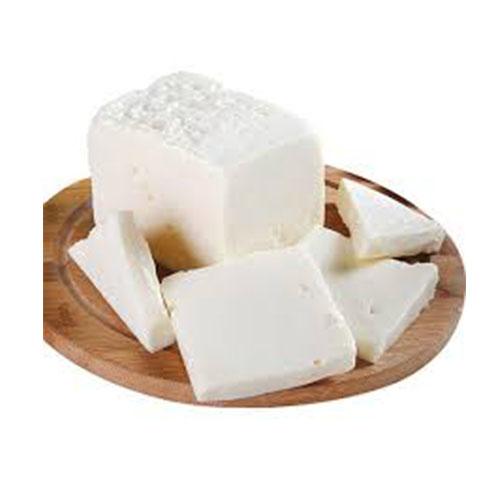
Edirne White Cheese
Product / Product Group(s) | Cheeses | ||||||||
|---|---|---|---|---|---|---|---|---|---|
Applicant/Registrant(s) | Edirne Chamber of Commerce and Industry | ||||||||
Registration Date | 23.10.2007 | ||||||||
File Number | C2004/005 | ||||||||
Registration Number | 93 | ||||||||
Place of Production | Türkiye | ||||||||
Edirne white cheese is a traditional white cheese variety produced from the milk of sheep, goats, and cattle that graze on the endemic vegetation of the natural deltas surrounding the Tunca, Meriç, Arda, and Ergene rivers in Edirne province. The product has been officially registered by the Turkish Patent and Trademark Office under the designation “Place of Origin” and was granted protection on 23 October 2007 under Registration No. 93.
Edirne white cheese is produced year-round using milk from sheep, goats, and cattle. The milk is sourced from animals grazing on pastures within the geographical boundary, where the endemic vegetation is nourished by the Tunca, Meriç, Arda, and Ergene rivers. This vegetation includes grasses of the Poaceae family—such as karaçim, delice, salkım çimi, and salkım otu—that influence the fat content and aroma of the milk, alongside aromatic plants like thyme, oregano, sage, hairy mint, and yarrow.
Edirne white cheese has a pale yellowish-white color, a rectangular prism shape, and a creamy texture derived from the milk fat. Its taste and aroma profile vary according to the type of milk used, exhibiting sweet, salty, and sour characteristics.
Its physical and chemical properties are as follows:
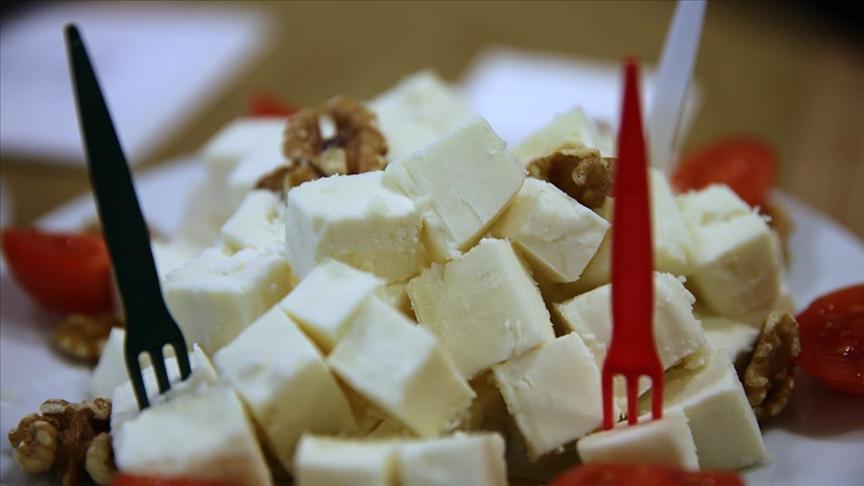
Edirne White Cheese (AA)
Only milk, rennet, and processed sea salt are used in the production of Edirne white cheese. The milk must not contain antibiotics or any additives that alter its composition. Collected milk is pasteurized at 65–68 °C for 20–30 minutes, then cooled to 30–32 °C and transferred to vats. Rennet is added, and coagulation occurs within 1.5 hours. The resulting curd is cut into pieces of 1–2 cm, placed in cendere cloth, and pressed for 2–4 hours.
The curd is then immersed in a brine solution with a 15–16 °Bé concentration for 14–16 hours, after which sea salt is sprinkled on top and left to rest for an additional 24–30 hours. The cheese is placed into molds, packed in containers, and aged for at least 90 days in cold storage at 2–4 °C until it reaches a pH level of 4.80–5.00.

Edirne White Cheese(Generated by Artificial Intelligence.)
Edirne white cheese is produced exclusively within the boundaries of Edirne province. Inspections are conducted at least once annually by a control team of at least four members, coordinated by the Edirne Chamber of Commerce and Industry and comprising representatives from the Edirne Provincial Directorate of Agriculture and Forestry, the Edirne Chamber of Commerce, and the Edirne Guilds and Craftspeople Chamber. Inspections cover compliance with the production method, milk sourcing within the geographical boundary, physical and chemical properties, aging duration, and packaging criteria.
Anadolu Ajansı. “Edirne Beyaz Peyniri İçin AB’ye Coğrafi İşaret Başvurusu Yapıldı.” Accessed May 31, 2025. https://www.aa.com.tr/tr/ekonomi/edirne-beyaz-peyniri-icin-abye-cografi-isaret-basvurusu-yapildi/3446792
Turkish Patent and Trademark Office. "Edirne Beyaz Peyniri." Geographical Indication Registration Certificate No: 93. Accessed May 31, 2025. https://ci.turkpatent.gov.tr/cografi-isaretler/detay/37941

Edirne White Cheese
Product / Product Group(s) | Cheeses | ||||||||
|---|---|---|---|---|---|---|---|---|---|
Applicant/Registrant(s) | Edirne Chamber of Commerce and Industry | ||||||||
Registration Date | 23.10.2007 | ||||||||
File Number | C2004/005 | ||||||||
Registration Number | 93 | ||||||||
Place of Production | Türkiye | ||||||||
No Discussion Added Yet
Start discussion for "Edirne White Cheese" article
Product Description and Distinctive Characteristics
Production Method
Geographical Boundary and Control