


This article was automatically translated from the original Turkish version.
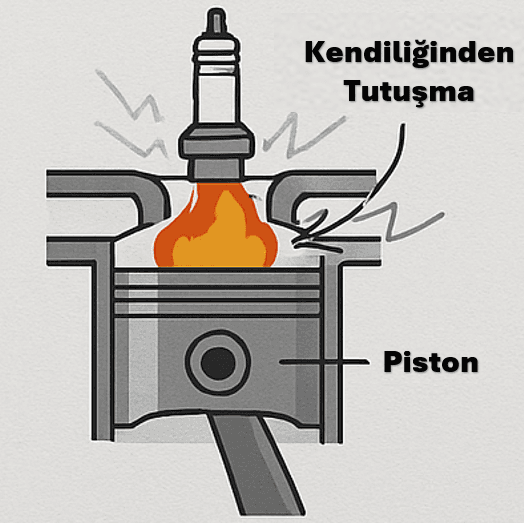
Figure 1 | Self-Igniting Loop Image | ||||||||
|---|---|---|---|---|---|---|---|---|---|
Knock is a phenomenon in internal combustion engines characterized by an audible sound resulting from a sudden pressure increase caused by the spontaneous ignition of the air-fuel mixture within the cylinder due to temperature and pressure effects, rather than uncontrolled ignition by spark plug. This situation is referred to as “detonation” or “knock”.
In Otto cycle engines (spark-ignition gasoline engines), the normal combustion process initiated by the spark plug progresses as a regular flame front propagating from the ignition point throughout the cylinder. However, in the case of knock, yet an uncontrolled combustion begins in a different region of the air-fuel mixture before the spark plug ignition is complete, due to the effects of temperature and pressure. This uncontrolled combustion generates a shock wave that spreads rapidly and resembles a shock wave with a hammer sound, which over time can cause damage to engine components road.
There are several possible causes of engine knock:
Engine knock is typically heard as a metallic, rhythmic, and ringing sound. It becomes particularly noticeable during acceleration. Knock sounds may sometimes be at low levels and masked by other noise sources such as music or air conditioning.
Engine knock is a consequence of uncontrolled combustion in internal combustion engines and can lead to irreversible damage to engine components. Such combustion anomalies reduce engine performance, lower fuel efficiency, and shorten engine life. Factors causing knock are linked to structural and functional malfunctions within the engine system, each requiring professional diagnosis and intervention. Internal engine knock sounds are direct fault indicators and must not be ignored.
Gulf Oil. “6 Reasons Why Your Car Engine Is Knocking.” *Gulf Oil Blog*. Accessed March 31, 2025. https://www.gulfoilltd.com/blog/6-reasons-why-your-car-engine-is-knocking
Iggnita. “Motor Vuruntusu Nedir?” Accessed March 31, 2025. https://iggnita.com/motor-vuruntusu-nedir/?srsltid=AfmBOopFh26pFSqMkBMVr0dmRk0t4a31-jHf3s5RsY0p5NkBMzk9AA8F
Tires Plus. "Engine Knock." *Tires Plus Blog*. Accessed March 31, 2025. https://www.tiresplus.com/blog/maintenance/engine-knock/?srsltid=AfmBOoqhD1oGfyjCr8NAdIdxMazumo08T4djevRa0KB_MxYp3JikWHbl
Yeni Atmaca. "Motor Yatak Vurma Belirtileri." Accessed March 31, 2025. https://www.yeniatmaca.com/motor-yatak-vurma-belirtileri

Figure 1 | Self-Igniting Loop Image | ||||||||
|---|---|---|---|---|---|---|---|---|---|
Mechanism of Knock
Causes of Knock
Identifying the Sound of Knock
Preventing Knock