


This article was automatically translated from the original Turkish version.
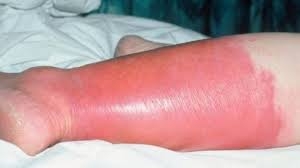
Erysipelas is a bacterial infection affecting the upper layers of the skin and the lymphatic system, primarily caused by Streptococcus pyogenes (group A beta-hemolytic streptococci) and other bacteria. Erysipelas is considered a superficial form of cellulitis and is typically characterized by a red swollen painful and warm skin lesion on the face legs and arms. Disease fast It begins abruptly and may be accompanied by systemic symptoms. If left untreated it can lead to serious complications road.
The most common causative agent of erysipelas is Streptococcus pyogenes. This bacterium enters the skin through disruptions in the skin barrier such as cuts cracks insect bites or surgical wounds such as and causes infection. Rarely other bacteria may also cause erysipelas. Although erysipelas can occur in any age group it is more common among the elderly diabetes patients individuals with immunodeficiency and those with lymphatic system disorders.
The disease is widespread globally world but occurs more frequently in areas with inadequate hygiene conditions and during warm humid seasons. Erysipelas can present with recurrent episodes and the risk of recurrence is particularly high in chronic conditions such as lymphedema.
Erysipelas presents with an abrupt onset of systemic symptoms such as fever chills fatigue and head pain. Locally a red bright edematous and tender skin lesion is observed. The borders of the lesion are well defined and sharply demarcated from surrounding tissue. Facial erysipelas typically affects the nose and cheeks nose and may produce a characteristic "butterfly" appearance. In the legs unilateral involvement especially of the lower extremities is common.
In the affected area increased warmth tenderness and occasionally vesicle or bulla formation may occur. Swelling and pain in the regional lymph lymph nodes may accompany lymphatic involvement. If untreated the infection can spread to deeper tissues leading to serious complications such as cellulitis abscess or sepsis infection.
The diagnosis of erysipelas is based on clinical findings. The typical appearance of the lesion and associated systemic symptoms support the diagnosis. Laboratory tests are used to confirm the diagnosis and differentiate it from other infections. Complete blood Complete blood count may reveal leukocytosis and elevated erythrocyte sedimentation rate ESR indicative of infection.
Blood cultures may be used to identify the causative microorganism in cases of systemic infection but the positivity rate in erysipelas is low. Microbiological examination of samples taken from skin lesions is rarely necessary but may assist in diagnosis particularly in atypical cases. Imaging techniques are used to evaluate complications.
The treatment of erysipelas includes antibiotic use and symptomatic management. Penicillin is the first-line step drug for erysipelas. Oral or parenteral penicillin is chosen based on the severity of the disease and the patient’s clinical condition. In patients with penicillin allergy macrolides or cephalosporins may be used as alternatives. The duration of treatment is typically 10 to 14 days.
For symptomatic management antipyretics and analgesics are used to control fever and pain. Elevation of the affected area and application of cold compresses may help reduce edema. In recurrent cases it is essential to control underlying risk factors such as lymphedema or diabetes. Prophylactic antibiotic use may be considered to prevent recurrent infections.

Etiology and Epidemiology of Erysipelas
Clinical Findings and Symptoms
Diagnostic Methods
Treatment Approaches